The cost of delaying home repairs is finally showing up in the data. According to Housecall Pro’s 2026 Home Services Report, 71% of homeowners put off at least one repair last year — and 41% say the repair they postponed cost more by the time they got to it. The industry rule of thumb is blunt: every $1 of maintenance deferred tends to become $4 or more down the line. With contractors on both sides of the border reporting quieter calendars this fall, the window to clear that backlog cheaply is open right now.
What the Survey Found
Housecall Pro surveyed US homeowners on how they’re spending and hiring in 2026. The headline numbers:
- 71% delayed at least one repair in the past year.
- 59% couldn’t afford the repair at the time.
- 77% have postponed or cancelled a home project because of rising prices and financial uncertainty.
- 41% say a postponed repair later became more expensive to fix.
The backlog isn’t going away, either. 79% expect to repair or replace at least one system in 2026, led by plumbing (28%), appliances (25%), exterior work (23%), HVAC (20%), electrical (18%) and roofing (14%). The intent is there; the scheduling isn’t.
Why $1 Deferred Becomes $4
The 4x figure, widely cited in deferred-maintenance research, isn’t a precise law — it depends on the system, the timeframe and how far the damage spreads. But the mechanism is familiar to anyone who has owned a house for a decade:
A small leak becomes a structural job
A $150 valve or supply-line fix left for a season can mean a swollen subfloor, mold remediation and a cabinet rebuild — a $3,000–$6,000 job in most US and Canadian markets.
A worn part becomes a no-heat call
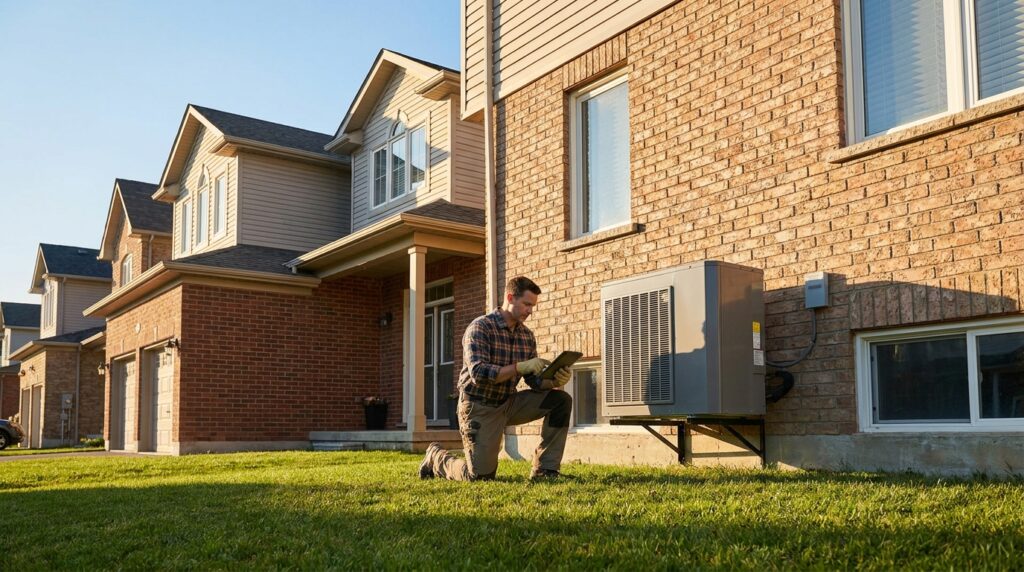
A furnace igniter or capacitor replaced during a $100–$300 fall tune-up costs a fraction of the same failure at 2 a.m. in January, when half of homeowners who skipped maintenance are competing for the same emergency slots.
A missing shingle becomes a ceiling
Roofers put an unaddressed flashing gap or lifted shingle at the top of the list: a $300 patch in September routinely turns into interior drywall, insulation and a partial re-roof by spring.
This compounding is a big part of why the average home maintenance bill has climbed to $8,808 a year — deferred work eventually gets paid for at emergency prices.
Contractors Have Room on the Schedule
Here’s the part that makes fall 2026 unusual. Homeowners are pulling back at the same time the backlog is growing. HIRI’s Q2 tracker shows US project intent turning negative for the first time in five quarters, and in Canada, over 70% of renovators told the Canadian Home Builders’ Association’s Renovation Market Index they’re concerned about business this year, with renovation investment expected to grow under 1%.
For a homeowner with a repair list, that translates into three concrete advantages:
- Faster starts. A plumber in Denver or an HVAC tech in Toronto who quoted three weeks out in a hot market can often fit a repair in this week.
- Sharper quotes. HIRI found quote requests rising from 17% to 20% even as starts fell — homeowners are comparison-shopping, and pros competing for a thinner pipeline know it. With 43% of projects running over budget this year, three written quotes carry more leverage than they have in years.
- Bundling. Many contractors will add an inspection or a second small fix at a discount rather than roll a truck twice.
Rates won’t change the picture: the Bank of Canada is expected to hold at 2.25% on September 2, and the Fed has sat at 3.5–3.75% all year. Waiting for cheaper money to fund a repair mostly means paying the 4x price later.
What to Do This Month
- Pick the one repair you’ve been ignoring — the dripping valve, the breaker that trips, the shingle you noticed in spring. That’s the $1 that becomes $4.
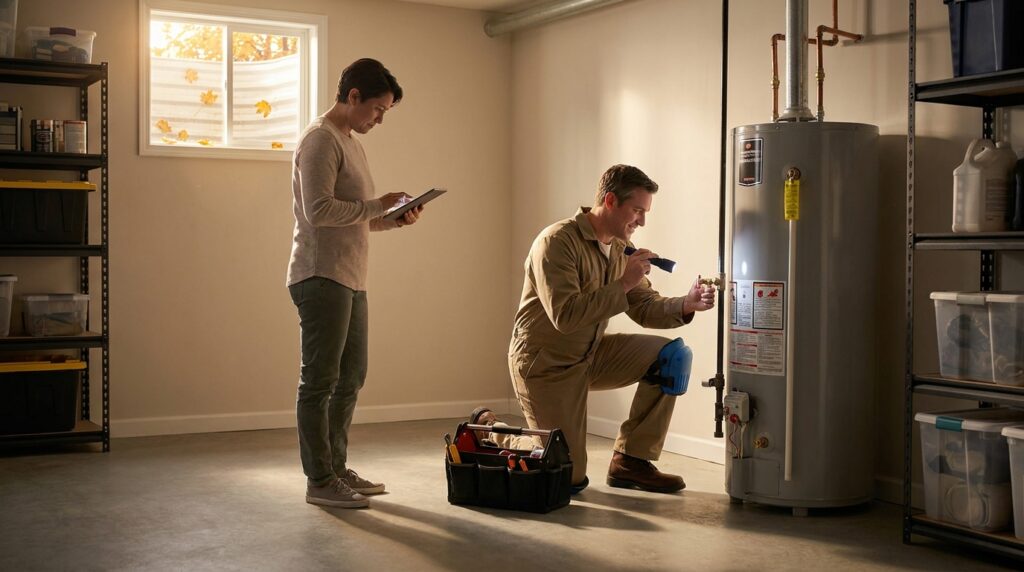
- Book prevention before repairs are forced on you. A plumber near you can flush a water heater in an hour; replacing a burst one in December takes a day and several times the money.
- Get three itemized quotes. In a soft market, pros are motivated to earn the job on price and scope — and a written scope is your protection against the mid-job “while we’re in here” upsell.
- Ask what else they’d check. A pro already on site can spot the next failure for free; that’s the cheapest inspection you’ll ever get.
The Bottom Line
Seven in ten homeowners put off a repair last year, and four in ten have already paid the price for doing it. The repairs don’t pause when budgets tighten — they compound. A fall when contractors have open calendars and reason to sharpen their numbers is the cheapest moment you’ll get to stop that clock.
Post the job with your budget, get offers from identity-verified pros, and pay only when the work is done.