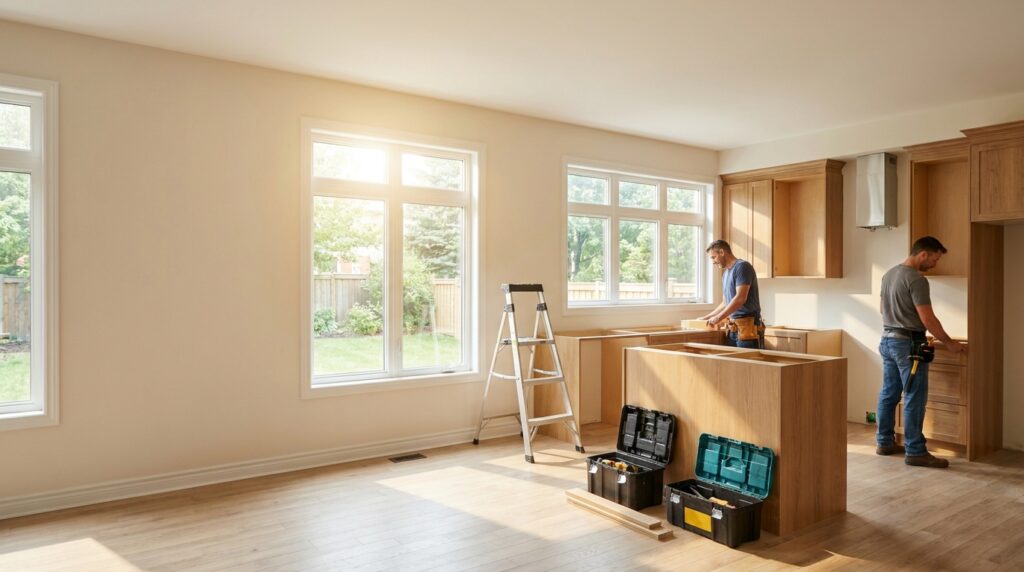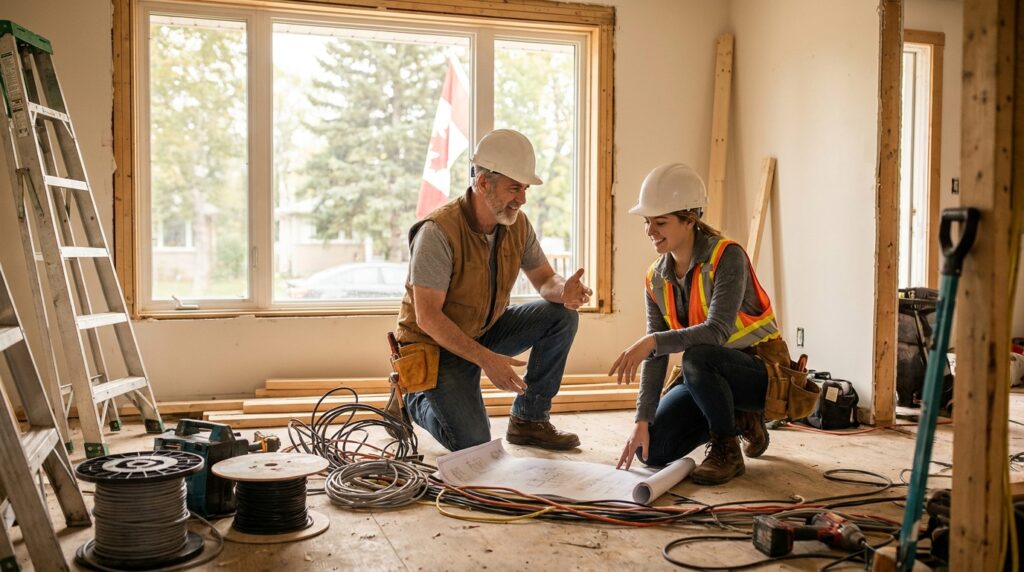
If your last home project cost more than the quote, you’re in the majority. Angi’s mid-year 2026 State of Home Spending Pulse, reported this week, found that 92% of homeowners who recently hired a pro finished at or above budget — and 43% went over their original estimate. Only about 8% came in under. Home projects over budget are now the norm, not the exception, and the report says it’s changing what homeowners are willing to start at all.
What the 2026 Spending Pulse Found
The Pulse is Angi’s mid-year check-in on how homeowner spending is shifting as the economy moves. The headline this year is not that people have stopped investing in their homes — it’s that they’re reshaping the plan:
- 43% of homeowners who hired a professional exceeded their original estimate; 92% finished at or above budget.
- Rising material and labor costs are the main reason homeowners are postponing some projects.
- Spending is tilting toward essential repairs and preventive maintenance over discretionary upgrades.
- Confidence in future home investment remains high — the projects are delayed, not cancelled.
That squares with other 2026 data. The Houzz & Home Study found 37% of renovating homeowners exceeded their budget in 2025, and the Home Improvement Research Institute reports fewer homeowners are doing projects, but those who do are spending more per project. Put together: fewer, bigger, and more likely to run over.
Why Home Projects Go Over Budget
Overruns feel random. They’re not. Almost every one traces back to one of four causes.
Hidden conditions
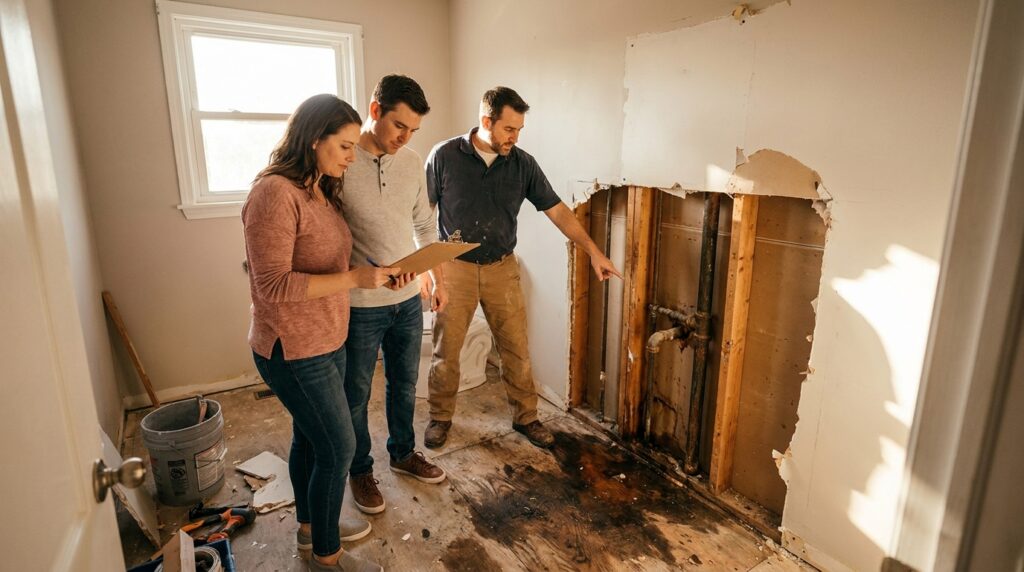
The single biggest driver. A bathroom remodel opens a wall and finds rotted subfloor; a panel upgrade reveals aluminum wiring; a deck rebuild exposes footings that were never to code. No estimate can price what nobody can see, and the older the house, the higher the odds. We covered the trend in why old house maintenance costs are surging.
Material prices moving after the quote
A quote written in June and a project started in September can straddle a tariff change, a lumber swing, or an HVAC manufacturer price hike — all three happened this summer. Canadian homeowners face the added September 8 trade-war deadline. Most quotes are only valid for 30 days for exactly this reason.
Scope creep
“While you’re here, could you also…” is how a $4,000 job becomes a $6,500 job. Each add-on is reasonable on its own; the total isn’t, because none of it was in the original number you were anchored to.
Estimates vs. quotes
An estimate is a professional guess. A quote (or fixed-price bid) is a commitment on a defined scope. Many homeowners treat the first as the second, then feel blindsided when the final invoice reflects actual hours and materials.
How to Protect Your Budget in 2026
None of this means you should skip the project. It means you should plan like someone who knows the odds.
- Build in a contingency before you start. 10–20% on top of the quote is the standard range; use the high end for homes over 30 years old or any job that opens walls, floors, or the electrical panel.
- Ask for a fixed price on a written scope. Get labor and materials itemized separately, with any allowances (tile, fixtures, lighting) stated as dollar figures so you know what you’re actually choosing within.
- Confirm the quote’s expiry date and, if material prices are volatile, ask whether the pro can lock in supply pricing at signing.
- Require written change orders. No work outside the scope proceeds without a signed note showing the added cost. This is the single best defense against both scope creep and surprise invoices.
- Get three quotes, but compare scope, not just totals. The lowest number is often the least complete one. Our guide on home improvement scam red flags covers how lowball bids turn into inflated finals.
- Pay on milestones, never all upfront. Tie payments to completed stages so the money follows the work.
What This Means for Pros
For contractors and trades, the Pulse is a signal that the overrun — not the sticker price — is now the homeowner’s biggest fear. That makes the transparent bid a competitive weapon: a quote with a short “what could push this higher” section, clear allowances, and a stated change-order process will beat a cheaper, vaguer one more often than it used to. Homeowners are shifting toward small fixes and maintenance, which means more, smaller jobs where a clean, predictable process is the whole pitch.
The Bottom Line
Four in ten hired projects went over budget in 2026, and that number is rising. The fix isn’t fewer projects — it’s a contingency you set on purpose, a fixed-price quote on defined scope, and every change in writing. On MastersGuild, you post the job with your budget, verified pros send offers against it, and payment is held until the work is done — so the number you agreed to is the number that gets released.