Half of American homeowners plan on skipping HVAC maintenance this year, according to the 2026 Summer Cooling Report from equipment maker DuraPlas — and if you’re one of them, your wallet is probably the reason. The survey of 600 US homeowners found that 99% are changing how they cool their homes because of economic uncertainty. But skipping HVAC maintenance is one of those savings that tends to cost more than it saves, and the numbers make that case better than any contractor’s pitch.
Skipping HVAC Maintenance Is the New Normal — Here’s the Data
The DuraPlas survey, run in April 2026, paints a picture of households squeezing every dollar out of summer:
- 50% plan to skip professional HVAC maintenance this season.
- 64% are leaning on ceiling fans — up from 43% just a year ago.
- Opening windows at night jumped 20 percentage points year over year; box fans rose 13 points, and closing off unused rooms climbed 11.
Canadian homeowners are feeling the same squeeze from a different direction: Statistics Canada’s residential renovation price index rose another 2.3% year over year in Q2 2026, with Quebec City up 7.1%. When every project costs more, “maybe next year” becomes the default answer — we covered the same dynamic in why old-house maintenance costs are surging.
The Math Doesn’t Favor Skipping
Here’s what the tune-up you’re skipping actually costs, versus what it protects you from:
| Item | Typical cost (USD/CAD similar) |
|---|---|
| Annual AC or furnace tune-up | $80 – $250 |
| Common repair (capacitor, fan motor, refrigerant leak) | $150 – $650 |
| Compressor replacement | $1,500 – $3,000 |
| Full system replacement | $5,000 – $12,500+ |
Three things make deferred HVAC maintenance uniquely expensive:
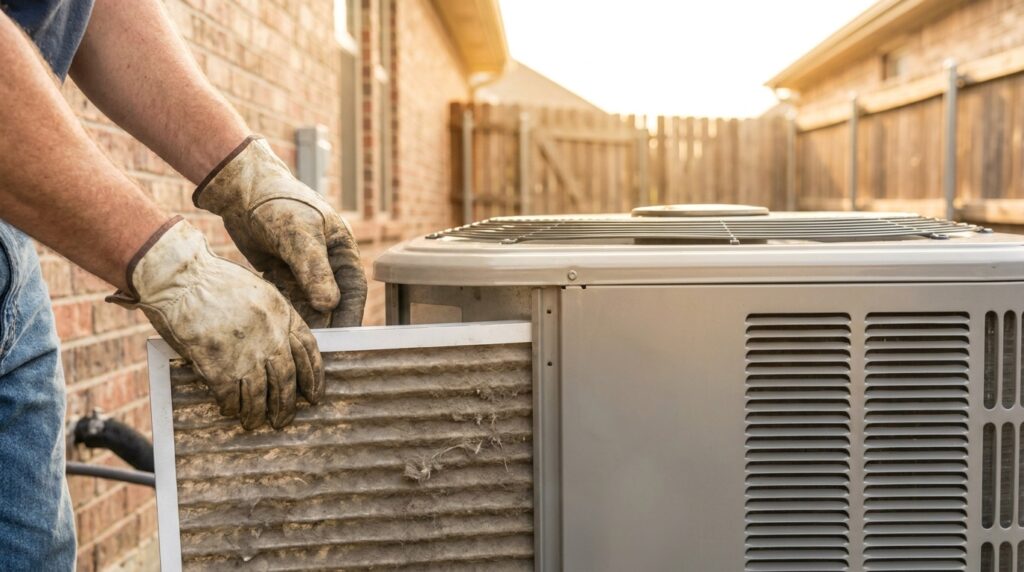
- Efficiency decay is invisible. A system with dirty coils and clogged filters draws 5–15% more electricity for the same cooling — a silent surcharge on every bill, and electricity rates are already surging in 2026.
- Small failures cascade. Most compressor deaths start life as a $20 capacitor or a restricted airflow problem a tech would catch in ten minutes.
- Warranties assume maintenance. Many manufacturers require proof of annual professional service; skip it and that $3,000 compressor may not be covered when it fails.
Interestingly, homeowners seem to know this. The same survey found 74% would rather buy a more durable component than a cheaper one, and 71% prefer a system that’s cheaper to operate over one that’s cheaper to install. People aren’t being short-sighted — they’re short on cash flow this month, which is a different problem.
What It Means for Service Pros
For contractors, a deferred-maintenance wave is both a warning and an opening. Replacement volumes track existing-home sales, which remain slow, so the service relationship is the business right now. Industry research finds 62% of homeowners are more likely to move forward when a payment plan is offered — yet most shops still quote a single lump sum. Affordable maintenance memberships and honest financing aren’t upsells in 2026; they’re how you keep customers who genuinely can’t part with $250 today. (And as we noted in Who Really Owns Your HVAC Company, independent shops that build those direct relationships have an edge the consolidators can’t buy.)
How to Save Without Gambling on a Breakdown
If the budget truly won’t stretch this year, cut smart instead of cold turkey:
- Do the free 80% yourself. Swap filters monthly, hose off the outdoor condenser coils, keep two feet of clearance around the unit, and check that vents aren’t blocked.
- Book the shoulder season. Fall tune-up rates are routinely 10–20% below July emergency-season pricing, and appointment slots are plentiful. Booking September instead of never is the real money move.
- Get a quote before you assume you can’t afford it. Prices vary widely by region — our guide to HVAC service costs in Canada shows the actual ranges, and a licensed HVAC pro near you can often do a basic inspection for less than you’d guess.
A $150 check-up you schedule is always cheaper than the $2,000 failure that schedules itself — usually during the first heat wave or cold snap of the season.
Ready to stop gambling on your system? Get quotes on MastersGuild and compare local HVAC pros in minutes.