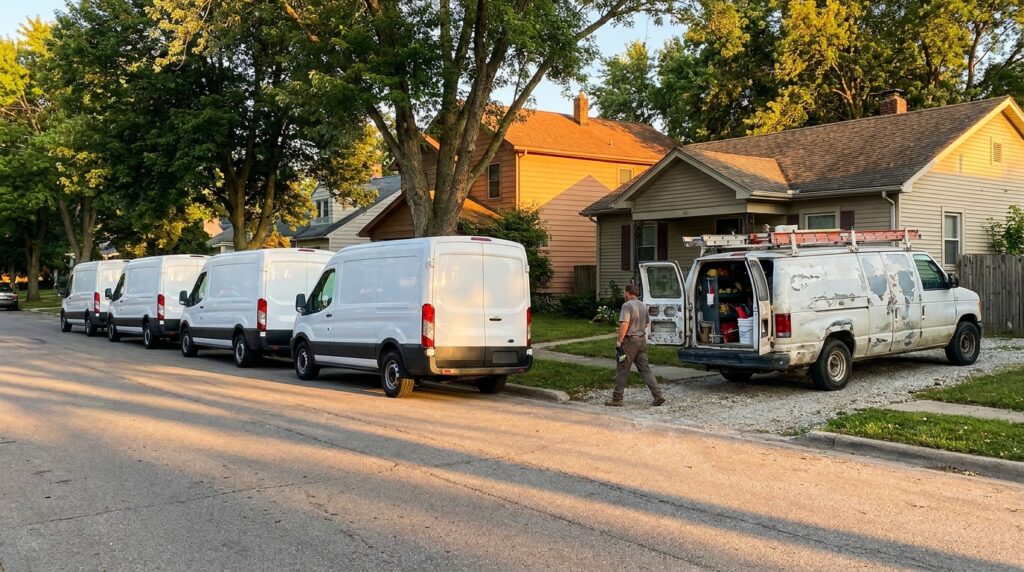
If your longtime HVAC company or plumber suddenly has a new call center, new flat-rate pricing, and a push to sell you a “membership plan,” there’s a good chance the name on the truck is the only thing that hasn’t changed. Private equity in home services has gone from a quiet trend to the dominant force in the industry: since 2022, PE firms have bought roughly 800 HVAC, plumbing, and electrical companies across North America — and in 2026, the deals are getting enormous.
The Roll-Up, by the Numbers
Two deals this year show how big the money has become. In February, Blackstone bought Champions Group — a network of residential HVAC and plumbing brands — for about $2.5 billion, a rich 18.5x multiple on earnings. In May, Apollo put roughly $2 billion into Apex Service Partners at a valuation near $10 billion.
Zoom out and the pattern is stark. Private equity now accounts for about half of all HVAC-services acquisitions, and more than 60% of the top 50 home-service companies are PE-backed. The strategy is called a “roll-up”: buy dozens of local operators, keep their trusted local names, standardize pricing and operations behind the scenes, and scale the platform regionally before selling it again.
Why the trades? Steady demand — furnaces fail and pipes burst in any economy — plus a shortage of about 110,000 licensed technicians that keeps pricing power with whoever employs the techs. Trades wages are up 15–25% since 2022, and consolidators can outbid independents for scarce workers.
What Changes for Homeowners
Consolidation isn’t automatically bad news, but it does change the service call.
The upsides
- Faster scheduling. Big platforms run 24/7 call centers and larger tech fleets, so same-day or next-day service is more realistic.
- Financing and guarantees. Backed operators can offer payment plans and stronger warranties than a two-person shop.
What to watch for
- Flat-rate pricing set regionally, not locally. The $189 diagnostic fee was decided at headquarters, and it’s usually higher than what the independent shop charged.
- Sales targets on service calls. Many platforms tie technician pay to revenue. A tune-up that ends in a $12,000 replacement pitch deserves a second opinion — our DIY vs hiring a pro breakdown covers when repair still beats replace.
- Membership plans. Annual “comfort club” fees can be worth it if you’d book the maintenance anyway; they’re mostly a lead-generation tool if you wouldn’t.
How to Tell Who You’re Actually Hiring
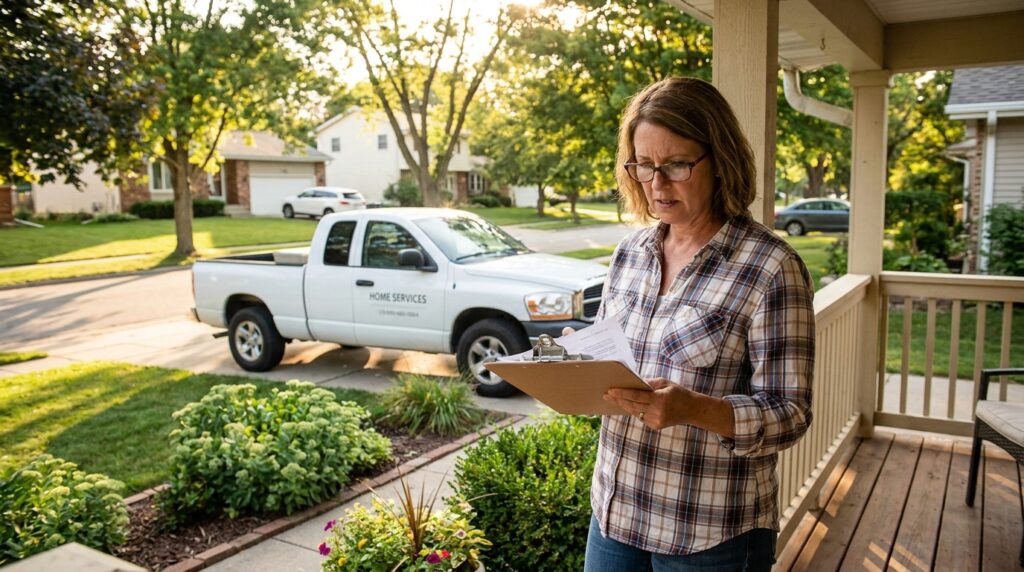
The local name often survives the acquisition, so the truck won’t tell you. Before a major repair:
- Search the company name plus “acquired.” Roll-up announcements are public, and a quick search usually surfaces the parent platform.
- Ask directly who owns the company. A locally owned shop will say so proudly; a platform-owned branch will usually name the parent.
- Get two or three quotes on anything over a few hundred dollars. Pricing spread between platforms and independents has widened — on big-ticket work like a furnace swap, quotes can differ by thousands. Our HVAC cost guide and plumber cost guide show what typical jobs should run in the US and Canada.
None of this means avoiding PE-backed companies — many run excellent operations. It means the burden of comparison shopping is back on you, because “the company my parents used” may not be that company anymore.
The Independent Pro Isn’t Going Anywhere
Analysts describe today’s market as bifurcated: large consolidated platforms on one side, independent owner-operators on the other, with the middle disappearing. That’s actually good news for homeowners who like choice. Independents increasingly compete on exactly the things platforms struggle to standardize — the owner answering the phone, transparent pricing, and no sales quota riding on the visit.
Finding those independents is the hard part, and it’s precisely what we built MastersGuild for: browse vetted local HVAC pros or find plumbing services near you, compare real quotes, and decide with full information — whoever owns the truck.
Before your next repair, get more than one number.