If you’re waiting for HVAC prices to settle down, August 2026 brought bad news: another HVAC price increase just rolled through the industry. Daikin and Goodman raised equipment prices up to 7%, Bard Manufacturing averaged 6%, and parts suppliers went further — Lau blower parts jump 16.2–16.8% at the end of the month, and some valve lines are up as much as 25%. It’s the third broad wave of increases this year, and it lands right as homeowners across the US and Canada start thinking about heating season.
What Went Up in August
Trade publication ACHR News tracked the full list of manufacturer increases effective this month. The highlights:
- Daikin and Goodman (two of the biggest residential brands): up to 7% on equipment and OEM parts
- Bard Manufacturing: average 6%
- Amana PTAC units: up to 5%
- Lau parts (blowers and motors inside many brands’ air handlers): 16.2–16.8%, effective August 31
- Assorted parts and valve lines: increases reaching 25%
Most equipment hikes are single digits — but they compound. A furnace or AC that took a 5% increase in January and another in July is now absorbing a third round before fall.
Why HVAC Prices Keep Climbing
Three forces are stacking on top of each other in 2026:
The refrigerant transition
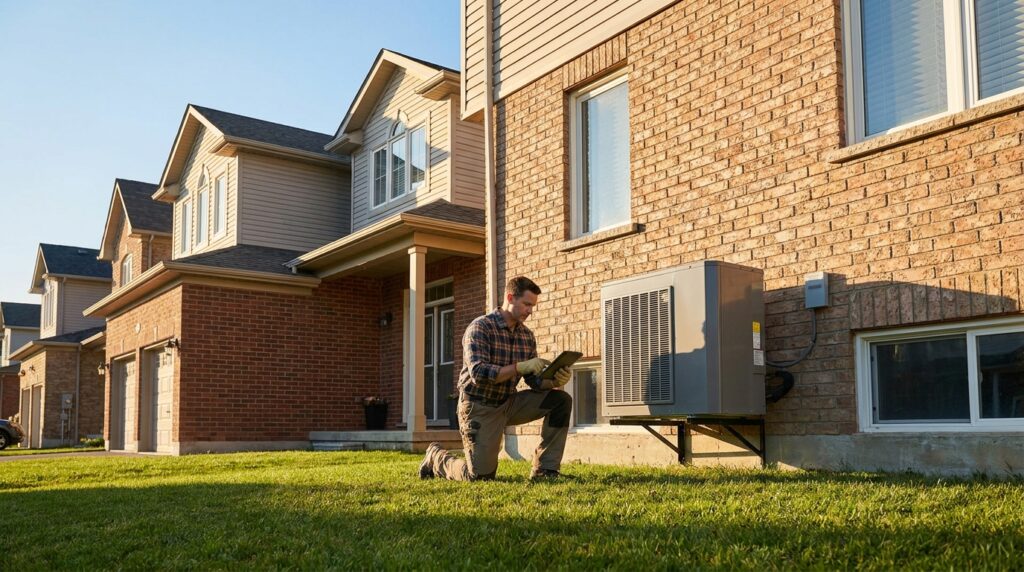
New air conditioners and heat pumps now ship with R-454B, the mildly flammable replacement for R-410A. The redesigned equipment — leak sensors, revised charge limits — costs an estimated 15–20% more to manufacture, and the refrigerant itself is far pricier: recharge costs have climbed to roughly $85 per pound, up from about $68. This transition applies in both the US and Canada, which follow the same HFC phasedown schedule.
Tariffs on components
Even US-assembled systems rely on imported compressors, circuit boards, copper, and steel — all carrying higher duties this year. We covered the broader picture in how tariffs are raising home renovation costs, and HVAC is one of the most exposed categories.
A thinner repair market
Skilled-technician shortages keep labor rates elevated, and as we reported last week, half of homeowners are skipping HVAC maintenance — which converts cheap tune-ups into expensive emergency repairs later.
What This Means for Your Repair-or-Replace Decision
A full central AC replacement now typically runs $5,500–$12,000 USD installed, with heat pumps around $7,500–$15,000 USD — roughly 15–25% above last year’s pricing, and Canadian quotes have climbed on the same curve. That changes the math in two directions:
- If your system is under 10 years old, repairs are usually still the right call — but expect parts pricing to be noticeably higher than your last invoice, especially for blower motors and control boards.
- If your system is 15+ years old and limping, waiting rarely pays anymore. Each manufacturer increase gets passed through to installed quotes within weeks, and a January cold-snap failure means paying emergency rates on top of the new pricing.
If a replacement is realistically in your next 12 months, getting quotes this fall — before another round of increases and before winter demand — is the financially safer move.
How to Protect Your Budget
- Book a fall tune-up now. A $100–$250 maintenance visit is the cheapest hedge against a mid-winter failure. Mid-to-late August is precisely the right window to book fall maintenance before pro calendars fill.
- Get multiple written quotes and ask each HVAC pro whether the equipment price is locked, and for how long. A quote from June may no longer hold.
- Ask about last year’s refrigerant. Some installers still have R-410A equipment in stock at pre-transition pricing — legal to install and meaningfully cheaper, though you’re buying into a refrigerant that will get costlier to service over time.
- Compare more than the bottom line. Verify licensing, ask what the warranty covers on both parts and labor, and check that the quote itemizes equipment versus install.
Rising equipment costs make it more important than ever to compare real offers from vetted pros instead of accepting the first number. Post your heating or cooling job, set your budget, and let HVAC technicians near you come to you with offers.