NOAA lowered its 2026 hurricane season forecast on August 6, and the new numbers look almost relaxing: 7–13 named storms, 2–6 hurricanes, and at most two major ones, with the odds of a below-normal Atlantic season raised from 55% to 75%. A strengthening El Niño gets the credit — it whips up wind shear that tears developing storms apart. So far the season has produced just two named storms, Arthur and Bertha, and zero hurricanes. Time to exhale? Not quite. A quiet forecast is a probability, not a promise — and it happens to make this the cheapest, easiest moment in years to get your home genuinely storm-ready.
What NOAA’s Update Actually Says
The updated outlook trims an already below-normal May forecast. Forecasters point to El Niño conditions that emerged in the Pacific in June and have kept strengthening since — an atmospheric pattern that historically suppresses Atlantic storm formation.
Two things temper the good news. First, peak season is only now beginning: the Atlantic’s busy stretch runs from mid-August through late October, with the statistical peak on September 10. Nearly everything the forecast expects is still ahead of us. Second, seasonal totals say nothing about where a storm lands. Forecasters repeat the same line every year because it keeps being true: it only takes one.
History backs them up. The 1992 season produced just seven named storms — a textbook “quiet” year. The first one was Hurricane Andrew, which flattened parts of South Florida as a Category 5. And hurricanes don’t respect the border: Fiona in 2022 became the costliest extreme-weather event Atlantic Canada has ever recorded. A below-normal season forecast is a reason to skip the panic, not the preparation.
Why a Quiet Forecast Is a Prep Bargain
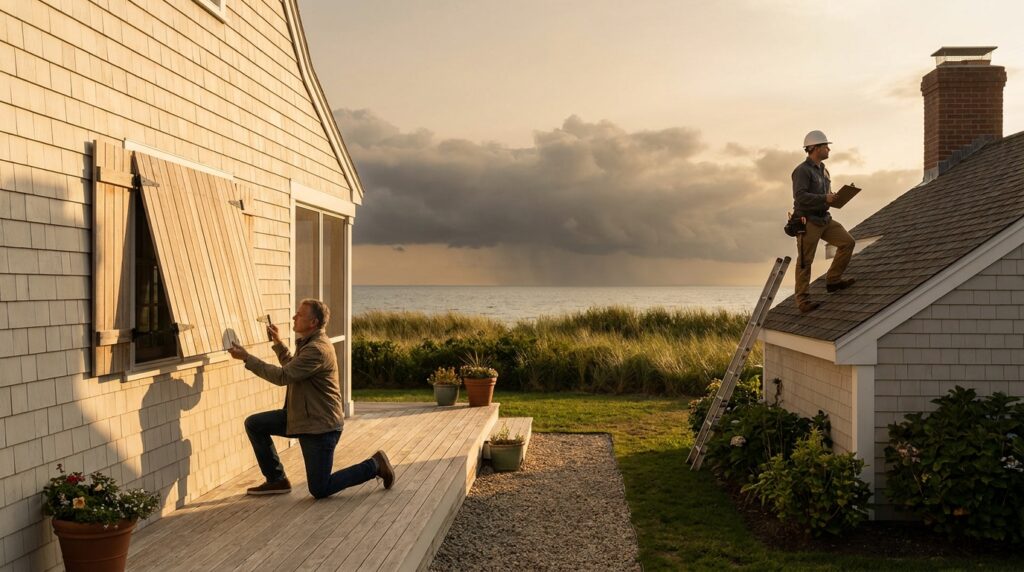
Here’s the counterintuitive part: the best time to storm-proof a house is precisely when nobody else is thinking about it. Storm prep runs on the same supply-and-demand math as storm damage repair — after a landfall, roofers and tree crews book out for months, prices surge, and out-of-town operators with magnetic door signs fill the gap. In a quiet August, the good local crews can actually take your call, quote competitively, and do unhurried work.
The short list that matters most:
- Roof inspection. Loose shingles and worn flashing are what turn a tropical storm into an insurance claim. A roof inspection and repair pro near you can usually handle small fixes in a single visit this time of year.
- Tree trimming. Overhanging limbs are the top cause of preventable storm damage. An arborist or tree-cutting service has open slots now; they won’t in the 48 hours before a named storm shows up on the map.
- Gutters and drainage. Most “hurricane” claims are actually water claims. Clear gutters, extend downspouts, and make sure grading moves water away from the foundation.
- Paperwork. Walk through your house with your phone and video everything you own. And remember the deadline we flagged last week: flood insurance has a 30-day waiting period, and a quiet forecast doesn’t pause that clock.
- Backup power. If this is the year you finally settle the battery-versus-generator question, installers have far more availability in a lull than in an outage.
What It Means for Local Pros
For roofers, tree services, and restoration contractors along the Gulf and Atlantic coasts, a 75%-below-normal forecast reads as a warning about the emergency-work pipeline. The smart response is the same one homeowners should hope for: pivot to scheduled work. Inspections, preventive trimming, drainage upgrades, and maintenance agreements smooth out revenue in a season when the storm surge of jobs may never arrive — and every inspection done in August is a customer relationship already in place if October surprises everyone.
El Niño has a second act, too: it typically shifts winter weather, bringing wetter storms across the southern US and milder conditions farther north. The pros who book fall waterproofing and drainage work now are positioning for that.
The Bottom Line
Take the win — a 75% chance of a below-normal season is genuinely good news for 60 million coastal households. Then act like the other 25% is real, because the forecast that matters isn’t the season total; it’s whether one storm crosses your address. Do the cheap, unhurried version of storm prep now, while crews are available and quotes are competitive.
Need a roof inspection, tree trimming, or gutter work before peak season? Get quotes on MastersGuild