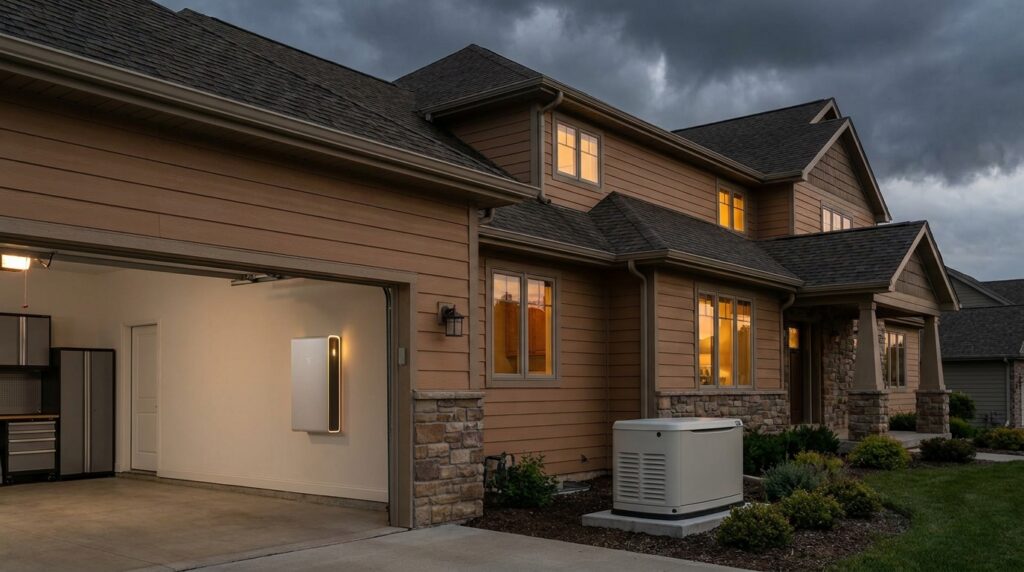
Home backup power used to be a niche purchase for rural properties and hurricane coastlines. In 2026 it’s edging toward a standard feature: Zillow’s latest home-trends report found that listing mentions of whole-home batteries jumped 40% in 2025 — on top of a 62% rise the year before — as buyers increasingly shop for homes that can ride out an outage. With summer heat waves pushing grids into emergency conditions and hurricane season entering its August–October peak, it’s worth knowing what backup power actually costs, and whether your home needs it at all.
Backup Power Is Now a Real-Estate Feature
Zillow’s 2026 Home Trends Report, built from millions of for-sale listings, reads like a resilience catalog. Alongside the battery surge, mentions of flood protection rose 64%, defensible-space landscaping 36%, and fire-protection systems 28%. Sellers highlight these features because buyers ask about them — a meaningful shift from a market that once treated a generator hookup as garage clutter.
That tracks with what’s happening on the grid. This summer’s heat waves have repeatedly pushed regional operators into emergency conditions, with warnings of localized rolling blackouts when nighttime temperatures stay too high to take plants offline for maintenance. Data-center demand is growing faster than new generation in several regions. And geography still rules: Texas’s isolated grid can’t easily import emergency power, while Louisiana routinely logs some of the longest outage durations in the country. Even with NOAA expecting a quieter 2026 Atlantic season, one landfalling storm is all it takes — a point we covered when storm damage repair demand spiked in July.
What Home Backup Power Costs in 2026
There are three realistic tiers, and they solve different problems.
| Option | Typical installed cost (USD) | Typical installed cost (CAD) |
|---|---|---|
| Portable generator + transfer switch | $700 – $3,500 | $1,000 – $4,500 |
| Standby (whole-home) generator | $7,000 – $16,000 | $10,000 – $22,000 |
| Whole-home battery (10–15 kWh) | $12,000 – $20,000 | $16,000 – $26,000 |
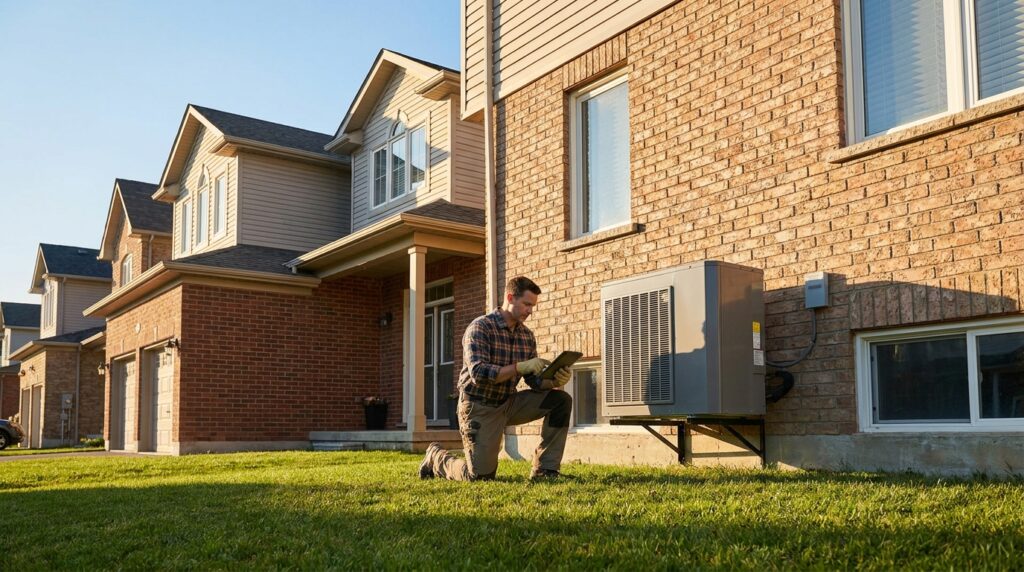
A portable generator is the budget answer, but the transfer switch is not optional — backfeeding a house through a dryer outlet is dangerous and illegal. A standby generator starts automatically and runs on natural gas or propane for days, which is why it’s still the pick for long, storm-driven outages. A battery is silent, instant, and pairs with solar, but its capacity is finite: a single unit comfortably covers essentials overnight, not a week of air conditioning.
One 2026-specific note for US homeowners: the 30% federal tax credit that used to apply to home battery installations ended after 2025, so quotes now are true out-of-pocket prices unless your state or utility runs its own program — several do, especially where utilities pay to tap home batteries during peak demand. In Canada, check your province and utility; programs vary widely.
The Practical Play for Homeowners
Start with a smaller question than “battery or generator”: what do you actually need to keep running? For most households the honest list is the fridge, the furnace fan or a window AC unit, the internet, and a few outlets — a load even the budget tier can handle. Sizing to that list instead of the whole panel is the single biggest money-saver, and it’s the first thing a good installer will walk through. With electricity rates surging this year, some utilities will even pay battery owners for peak-hour power, which shifts the math further.
Whatever tier you choose, this is licensed-electrician work — transfer switches, panel interlocks, and battery installs all need permits, and installers book up fast once a storm is on the map. Our electrician cost guide covers hourly rates, and if you’re pricing a backup setup, get two or three quotes from a licensed electrical pro near you before the next outage makes the decision urgent.
The quiet takeaway from Zillow’s data: buyers are starting to pay for resilience. A backup power setup is no longer just insurance against dark refrigerators — it’s becoming part of what your house is worth.
Ready to price it out? Get quotes on MastersGuild