
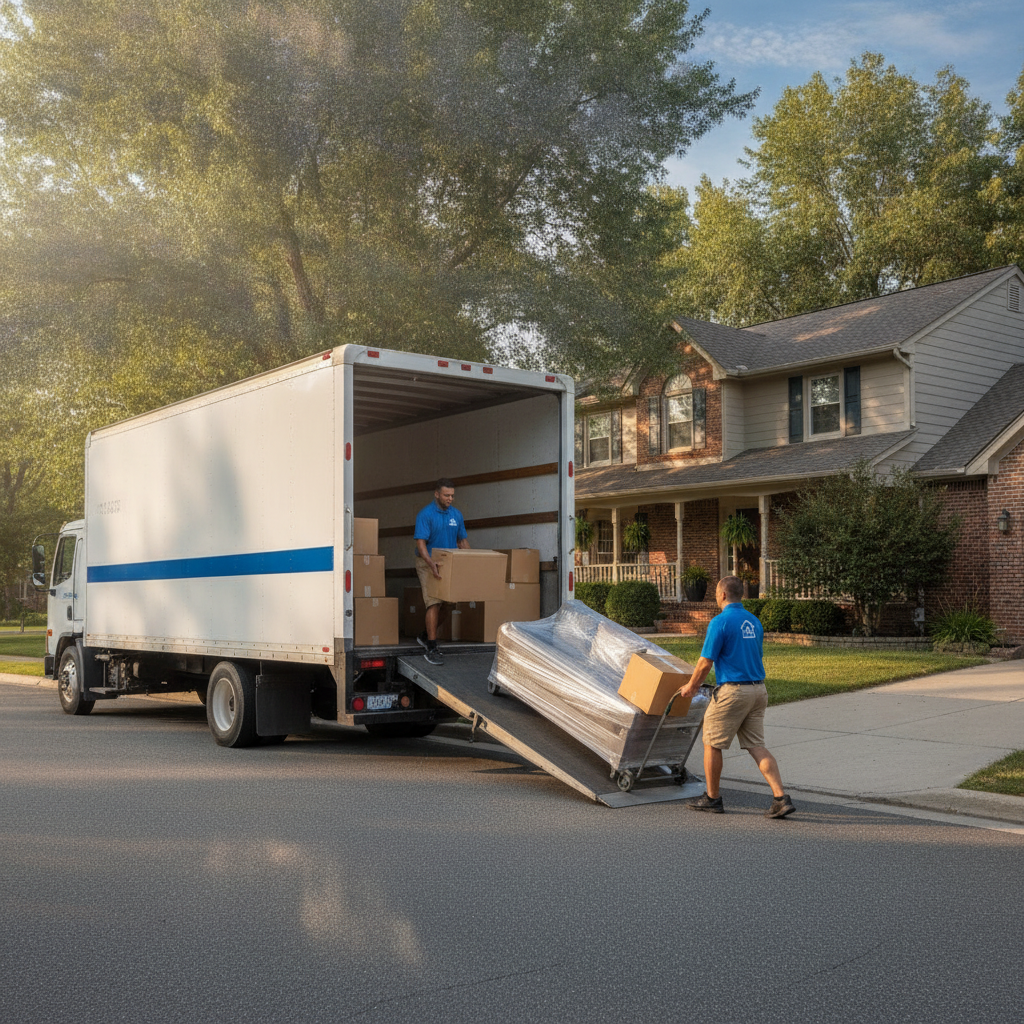
Sticker shock is normal here: long-distance moving cost in 2026 runs $2,400 to $12,000+ for most households in the US and Canada, and moving companies have raised prices roughly 21% this year on the back of fuel and driver costs. The average two-bedroom home moving 1,000–2,000 miles now lands around $4,570 — and if you’re reading this in August, you’re shopping in the most expensive month of the year.
Here’s what actually drives the number, what typical moves cost in both countries this year, and where the real savings hide.
Long-Distance Moving Cost in 2026: Typical Prices
Unlike local moves (billed by the hour), long-distance moves are priced mainly by shipment weight and distance. Typical full-service ranges this year:
| Home size | Typical range (USD) | Typical range (CAD) |
|---|---|---|
| Studio / 1 bedroom | $2,400 – $4,000 | $2,500 – $4,000 |
| 2 bedrooms | $3,500 – $6,500 | $4,000 – $6,000 |
| 3 bedrooms | $5,000 – $9,000 | $5,000 – $8,000 |
| 4+ bedrooms | $8,000 – $12,000+ | $7,000 – $12,000+ |
Distance shifts everything. In Canada, an interprovincial move under 500 km often stays in the $2,500–$5,500 range, while a true cross-country haul over 2,000 km — say Toronto to Vancouver — typically quotes at $4,500–$9,500 for a two-bedroom load. In the US, coast-to-coast moves for larger homes regularly clear five figures.
If you only need a small load moved locally first, our movers cost guide covers hourly local pricing.
What Drives the Price Up (or Down)
- Weight: the industry bills per pound per mile. A typical household shipment is 5,000–10,000 lbs; every 1,000 lbs you shed saves real money.
- Distance and route: fuel surcharges hit hardest on remote routes and mountain crossings; western routes saw the steepest 2026 increases.
- Season: May–September is peak. Moving in late September through November instead of summer saves 20–30% — the single biggest discount available to most people.
- Access: stairs, elevators, long carries from truck to door, and shuttle trucks for tight streets all add fees.
- Extras: packing services ($300–$1,500), full-value protection insurance, storage-in-transit, and specialty items like pianos.
DIY vs Full-Service: The Real Comparison
Renting a truck one-way and driving it yourself can cut a cross-country move to $1,500–$3,500 (truck, fuel, hotels) — but you’re loading, driving, and unloading a 26-foot truck for days. Portable moving containers split the difference at roughly $2,500–$5,500: the company drives, you pack. Full-service movers cost the most but are the only option that includes labor, transport, and liability coverage in one contract.
A cheaper trick than any of these: move less stuff. A pre-move purge — sell, donate, and a junk removal pickup for the rest — routinely trims hundreds off a weight-based quote. And if you’re leaving a rental, budget for move-out cleaning to protect your deposit.
How to Vet a Long-Distance Mover
Moving scams spike in peak season. Before you book:
- Get 3+ in-home or video estimates. Phone-only quotes on long moves are a red flag.
- Demand a written, binding (or binding-not-to-exceed) estimate. Non-binding quotes can balloon at delivery.
- Check registration. US interstate movers need a USDOT number (searchable on the FMCSA site); Canadian carriers should be provincially registered and insured.
- Never pay a large deposit. Reputable long-haul movers charge most of the bill on delivery.
- Read the liability options. Basic coverage (~$0.60/lb) pays almost nothing on a broken TV — price full-value protection.
Ready to compare vetted pros? Find long-distance movers near you and get quotes side by side.
Frequently Asked Questions
How much does it cost to move 1,000 miles in 2026?
A two-bedroom home moving about 1,000 miles typically costs $3,500–$6,500 with full-service movers, depending on weight, season, and access at both ends.
What is the cheapest way to move long-distance?
Renting a truck yourself is cheapest in cash terms ($1,500–$3,500 cross-country), but portable containers offer the best price-to-effort balance for most households.
What month is cheapest to hire long-distance movers?
October through April. Fall and winter moves run 20–30% less than summer, and mid-week, mid-month dates are cheaper than weekends and month-end.
Do long-distance movers charge by the hour?
No — long-distance moves are priced by shipment weight (or volume) and distance, plus extras like packing, stairs, and storage. Hourly billing is for local moves.
Planning a move this year? Compare quotes from vetted long-distance moving pros in minutes — Get quotes on MastersGuild