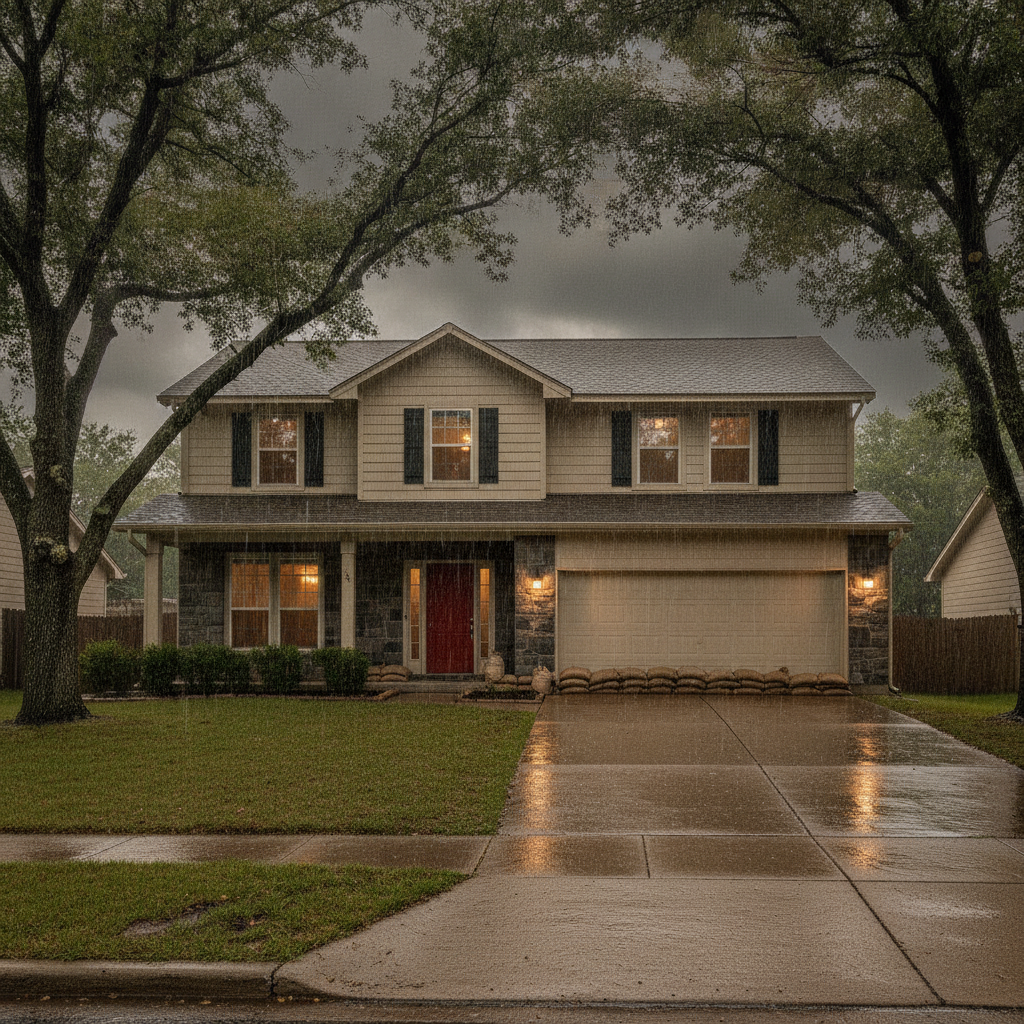
Here’s a stat that catches homeowners off guard every year: standard home insurance does not cover flood damage — and the flood insurance waiting period means you can’t fix that gap at the last minute. In the US, National Flood Insurance Program (NFIP) policies take 30 days to kick in. The Atlantic hurricane season’s statistical peak lands on September 10, with most activity running mid-August through mid-October. Work backwards from that and the real deadline to buy coverage isn’t September — it’s right now, in early August.
Why Flood Insurance Is Separate From Home Insurance
Almost every standard homeowners policy in North America excludes “overland flooding” — water that rises from rivers, storm surge, or overwhelmed drainage and enters at ground level. Sewer-backup coverage, which many people do carry, is a different endorsement and won’t pay for a flooded main floor. Plenty of homeowners discover the distinction only when a claim is denied, at which point the average flooded basement runs well into five figures.
Forecasters expect a milder-than-usual 2026 Atlantic season — NOAA puts a 55% chance on below-normal activity — but still projects one to three major hurricanes. As Atlantic Canada learned from Fiona’s remnants and Texas learned from Harvey’s rainfall, it only takes one storm, and it doesn’t have to arrive as a “major” to flood your street.
The 30-Day Clock in the US
NFIP policies come with a 30-day waiting period precisely so people can’t buy coverage when a storm is already named and pointed at them. Some private flood insurers have shorter waits — 10 to 14 days is common — but almost none bind coverage once a system is being tracked toward your region.
If you’re in a coastal state, near a river, or in a neighborhood that’s flooded before, the window to get covered before the season’s peak closes this month. It’s also worth rechecking even if you looked years ago: FEMA’s flood maps have been redrawn in many regions, and premiums are now priced per-property, so quotes can differ sharply from what a neighbor pays.
Canada: More Available Than Ever — and Still Widely Skipped
The Canadian picture just got a meaningful update. The Insurance Bureau of Canada reported in July that 94% of Canadian homes can now access overland flood insurance, with more than 30 insurers offering it — a dramatic change from a decade ago, when the product barely existed. Yet roughly three in ten homeowners who could buy it haven’t, and many who have it don’t know its limits: deductibles often start at $2,500, and payout caps of $100,000–$250,000 are common.
Meanwhile, the roughly 1.5 million highest-risk households remain effectively priced out, still waiting on Ottawa’s promised $450-million national flood insurance program — once targeted for April 2026, now stalled with no confirmed launch date. If you’re in that group, provincial disaster assistance remains the fallback, and it covers far less than people assume.
What to Actually Do This Week
Call your insurer and ask two questions: “Does my policy cover overland flooding?” and “What’s my sewer-backup limit?” Five minutes settles what you’re actually protected against — especially worth doing while home insurance premiums keep climbing and insurers get pickier about risk.
Buy the gap coverage now. Thirty days from this week still beats the season’s peak. Thirty days from Labor Day doesn’t.
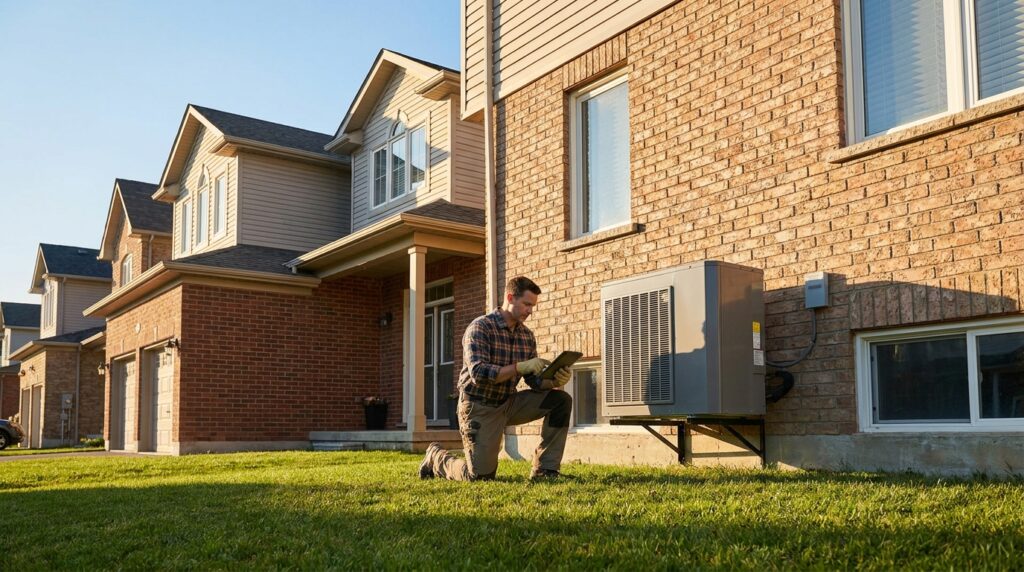
Spend a weekend on cheap prevention. Clear gutters and extend downspouts away from the foundation, test the sump pump, and check that ground slopes away from the house. If your area has flooded before, a backwater valve is one of the highest-ROI upgrades a plumber can install. And if water has ever gotten in, deal with it fully — mold remediation pros near you will confirm that a “dried out” basement often isn’t.
Document your home today. A ten-minute phone video of every room, plus photos of big-ticket items, turns a contentious claim into a fast one. Insurers increasingly verify with aerial imagery and property data, so your own records matter more than ever.
If a storm does hit, demand for cleanup and repair crews spikes instantly — we covered why post-storm repair becomes a race earlier this summer. The homeowners who fare best are the ones whose coverage and prep were done a month before anyone knew the storm’s name.
Need a plumber for a backwater valve, a landscaper to fix grading, or a cleanup crew on short notice? Get quotes on MastersGuild — post the job once and hear back from vetted pros near you.