A small-business winter storm plan should assign four jobs before a freeze: monitor weather, protect the premises, communicate closures, and inspect the site before reopening. Put the names, phone numbers, access instructions, and decision points on one page that the owner and staff can reach away from the building.
Key takeaways
- The National Weather Service lists loss of heat, power, telephone service, and supplies as primary winter-storm concerns at work.
- The SBA advises owners to keep heating-contractor, plumber, fire-department, insurance, and building-owner contacts accessible before a storm.
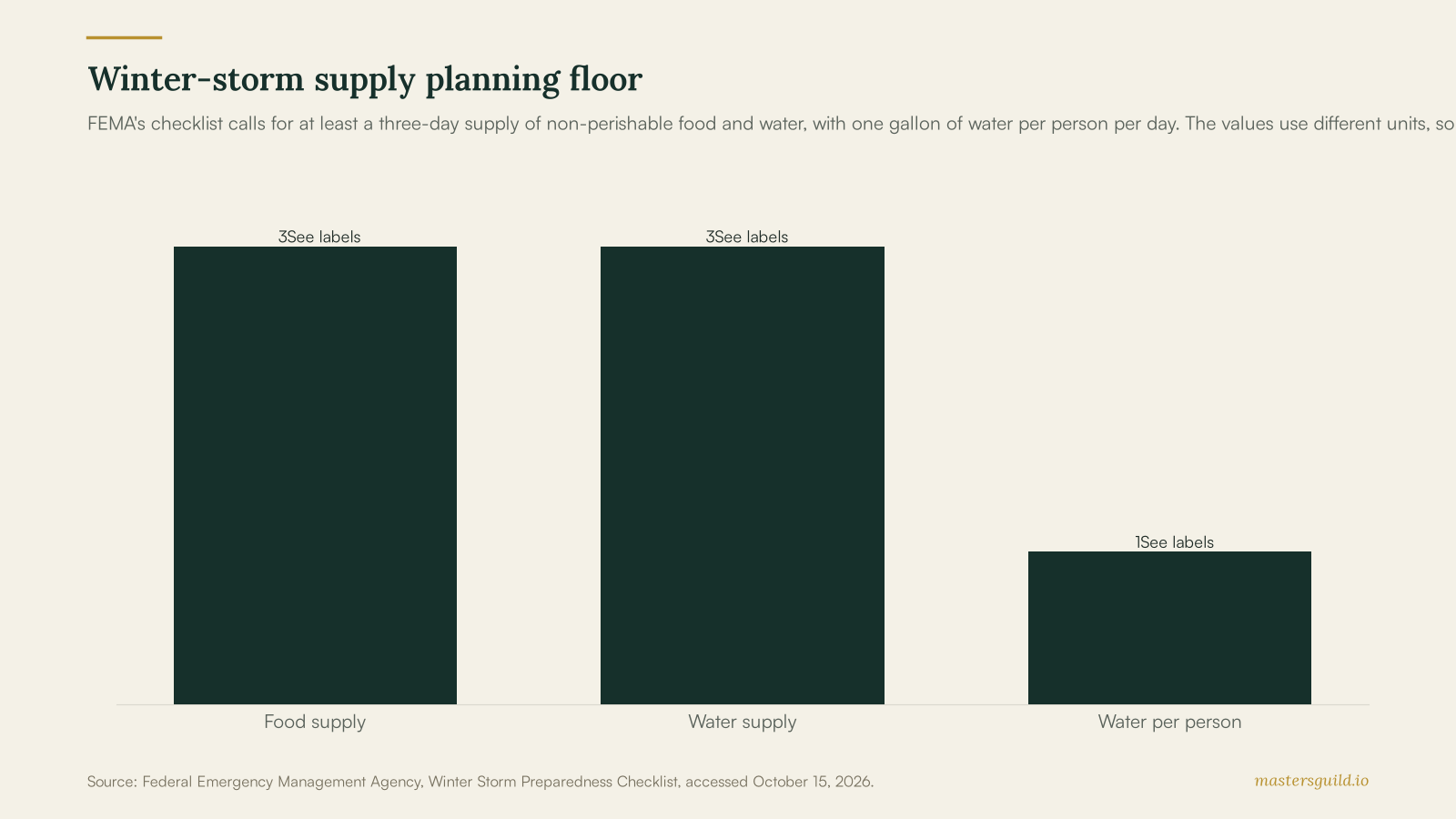
- FEMA’s winter checklist uses a minimum three-day supply and one gallon of water per person per day as a preparedness floor.
- OSHA advises employers to monitor weather, train workers on hazards, and plan protective work practices for cold conditions.
A one-page plan assigns the work before the forecast
Build your small-business winter storm plan around the people who can act. The National Weather Service names loss of heat, power, telephone service, and supplies as the main concerns at work during a winter storm. Give each concern an owner, a backup, and a decision point. A café may need an owner to check refrigeration and a manager to notify staff. A retail shop may need a landlord contact, a snow-removal provider, and a person who can post a closure notice.
The Small Business Administration’s winter-storm guidance tells owners to keep contacts for the heating contractor, plumber, fire department, insurance agent, and building owner easy to find. Save them outside the premises as well as in the office. Add alarm instructions, gate codes, utility-shutoff locations, and the name of the person authorized to approve emergency work.
The planning figures below come from FEMA’s winter storm preparedness checklist. They set a supply-planning floor; inventory, staff needs, and local emergency guidance may require more.
Premises protection needs a landlord and service-pro contact list
Before winter weather, confirm who controls the heating system, water shutoff, electrical panel, roof access, and snow removal. A tenant may report a fault while a property owner authorizes the repair. Write both roles down. Photograph utility labels and record access rules while the building is open and safe to inspect.
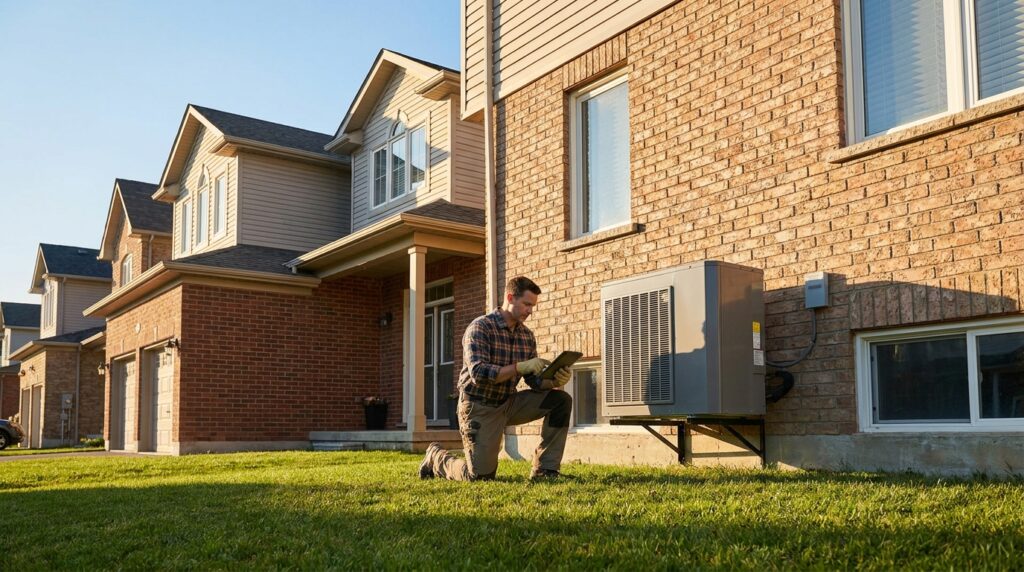
The SBA advises owners to check heating equipment, seal openings where cold air enters, protect equipment vulnerable to freezing, and prepare a post-storm snow-removal plan. Do not send staff onto a roof or into a mechanical room to diagnose a fault. A qualified pro should handle electrical, combustion, gas, refrigerant, or structural concerns.
For exterior access, describe the parking area, entrance route, sidewalk length, hours, and any priority door when you request snow removal. A defined scope helps a contractor schedule the site and helps you explain the plan to staff and customers.
| Before the storm | Assigned owner | Record to keep | Call a qualified pro when |
|---|---|---|---|
| Heating and indoor temperature | Owner or facilities contact | Thermostat setting, equipment contact, access instructions | Heat fails, alarms appear, or combustion, gas, electrical, or refrigerant concerns arise |
| Water and pipes | Building contact | Main-shutoff location and plumber contact | A leak, frozen pipe, or water damage appears |
| Entrances and parking | Site manager | Snow-removal scope and priority route | Ice, inaccessible routes, or a surface condition needs treatment beyond your plan |
| Communications | Manager | Staff, tenant, vendor, and customer message | A closure, delayed opening, or evacuation changes operations |
Weather decisions need a message and a backup contact
Choose the weather source your business will use and set the person responsible for checking alerts. OSHA advises employers to monitor conditions, keep a way to communicate with workers, and stop work or evacuate when necessary. Tell staff how they will receive an opening, delay, closure, or return-to-work message. Keep the contact list in a cloud folder that managers can access if the building loses power.
Decide ahead of time who can close the site, who can approve emergency repairs, and who speaks with the landlord or insurer. The SBA recommends keeping employee, vendor, and client contact information off-site. This step also protects a small team when the owner cannot reach the premises.
If your storm plan includes laptops, payment devices, or customer records, connect it to your small-business data backup plan. Power and access problems can interrupt work even when the building itself has no visible damage.
Reopening starts with a safe walk-through
After a storm, inspect the site before inviting staff or customers back. Check the entrance route, indoor temperature, visible water, ceilings, doors, alarms, and essential equipment. Record damage with photos for the owner or insurer. Keep employees away from downed lines, unstable surfaces, standing water near electrical equipment, and areas that need a professional inspection.
Update your contact list after each event. If a plumber, HVAC technician, cleaner, or snow-removal crew solved a problem, record the company, scope, and follow-up work while the details are fresh. The same record supports your next office relocation or setup plan because it captures access contacts, utility details, and critical equipment.
Post the property type, access rules, business hours, and the work you need on Masters’ Guild to compare offers from identity-verified local pros. Build your winter-storm service request on Masters’ Guild.