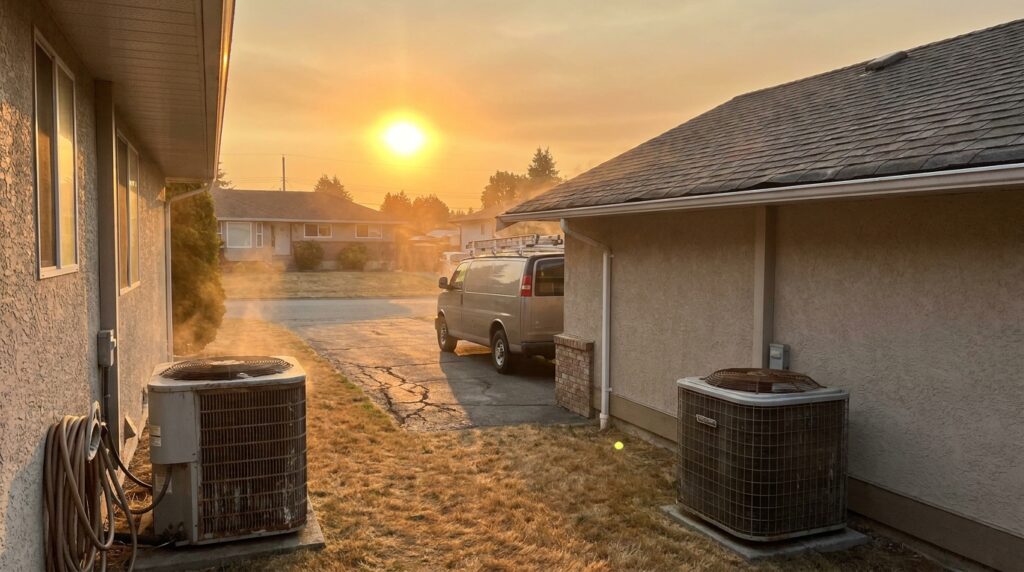
While you’ve been hiding in the basement or hugging the AC vent, extreme heat has been working on your house too. The 2026 heat dome has put more than 100 million Americans under heat alerts, and Canada hasn’t been spared — Ottawa logged a humidex of 46°C on Canada Day, and 100,000 Quebec homes lost power the next day as air conditioners maxed out the grid. Extreme heat home damage is slower and quieter than storm damage, but it’s real: cracked foundations, curled shingles, warped frames, and blistered paint. And here’s the part most homeowners don’t know — your insurance probably won’t pay for any of it.
What Extreme Heat Actually Does to a Home
Heat damage rarely announces itself. Weeks of sustained 35°C+ (95°F+) weather work on a house the way a slow leak does — gradually, then suddenly:
- Roofs age in fast-forward. Asphalt shingles blister, curl, and lose granules under prolonged heat, shaving years off a roof’s life. UV plus heat is the single hardest combination on roofing materials.
- Foundations crack from below. Long dry heat shrinks the soil around your foundation; when it shifts, the concrete can settle and crack. It’s one of the most expensive repairs in homeownership, and it starts invisibly.
- Frames warp, seals fail. Wood door and window frames swell and twist, breaking weather seals — which then leaks your expensive cooled air all summer and heated air all winter.
- Paint bubbles and peels. Blistering exterior paint isn’t just cosmetic; it opens the surface underneath to moisture, mold, and insects. (If yours is peeling, our exterior painting cost guide covers what a repaint runs in 2026.)
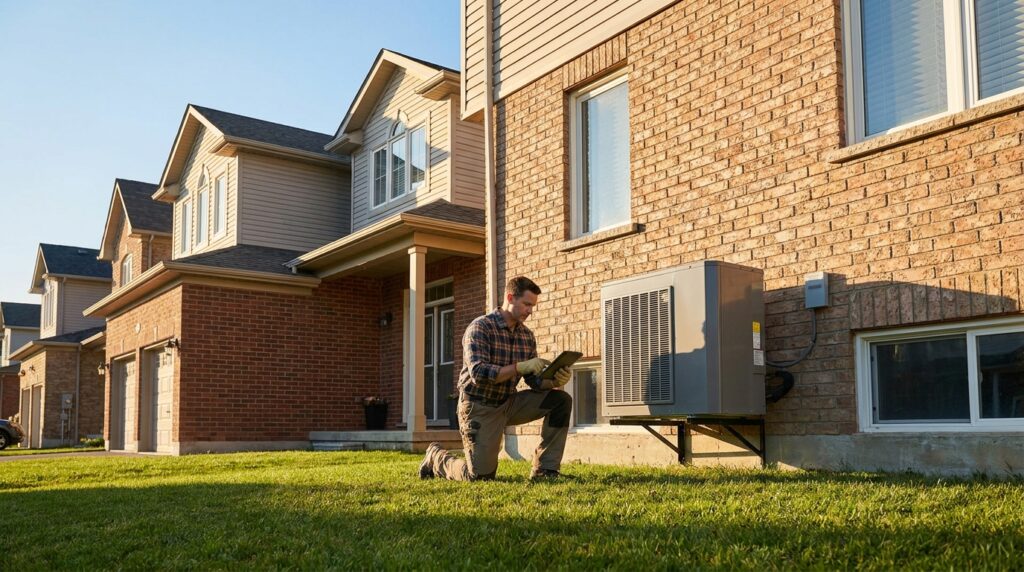
- AC units run to failure. In Windsor, Ontario, HVAC techs report service calls soaring as units run around the clock. A system that never cycles off is a system wearing out at double speed — our AC repair cost guide breaks down what fixes cost when it quits.
The Insurance Gap Nobody Mentions
Standard home insurance covers sudden perils — a fire, a windstorm, a burst pipe. Gradual damage from sustained heat generally isn’t covered, because insurers classify it as wear and tear you’re expected to prevent. That gap matters more every year: US premiums are rising for a fifth straight year, up about 4% to an average of $3,057, and insurers are tightening what they’ll pay for — some roof policies now cover only depreciated value, not replacement cost.
The blunt translation: for heat damage, prevention is the only coverage you actually control.
Cheap Prevention Beats Expensive Repair
The good news is that most heat protection is low-cost:
- Water the foundation, not just the lawn. During long dry stretches, running a soaker hose near the foundation keeps the soil from shrinking and shifting.
- Give the AC a fighting chance. Clean or replace the filter monthly in peak season, clear debris around the outdoor unit, and get a tune-up before the next heat wave — not during it, when every tech in town is booked.
- Look up. After the heat breaks, scan the roof (from the ground or with a phone camera) for curling or bald shingles. Early repairs are a fraction of replacement — the same repair-first logic homeowners are applying across the board in 2026.
- Check seals and shade. Re-caulk gaps around windows and doors, and close blinds on south- and west-facing glass during peak hours. Both cut heat stress on the house and your power bill.
What This Means for Local Pros
Heat waves are usually framed as an HVAC story, and the surge is real — but the demand ripple is wider. Roofers, painters, foundation specialists, and handyman services all see heat-driven work in the weeks after a dome breaks, when homeowners finally look at what the weather did. Pros who offer a quick “post-heat-wave checkup” — roof, seals, AC, paint — are packaging exactly what anxious homeowners want and what insurers no longer cover.
The Bottom Line
This heat dome will pass; the wear it leaves behind won’t undo itself. Spend one weekend on prevention and one honest inspection after the heat breaks, and you’ll likely save thousands in uninsured repairs. If something already looks off, don’t wait for it to grow — find an HVAC pro near you or a roofing specialist before the next heat warning hits.
Beat the rush — post your job once and let available pros come to you: Get quotes on MastersGuild.