Home remodeling in 2026 just set a record: Harvard’s Joint Center for Housing Studies projects homeowners will spend $524 billion on renovation and repair this year, the highest figure ever tracked. But the same forecast says growth is downshifting — from 2.4% early in the year to under 2% by fall. Those two facts together tell you more about the state of home remodeling in 2026 than either does alone, and they carry practical consequences whether you’re planning a project or building one for a living.
A Record Built on Necessity, Not Splurging
The latest LIRA forecast from Harvard’s Joint Center for Housing Studies isn’t describing a renovation boom like 2021’s. Spending is at a record because the underlying needs keep compounding, not because homeowners are feeling flush:
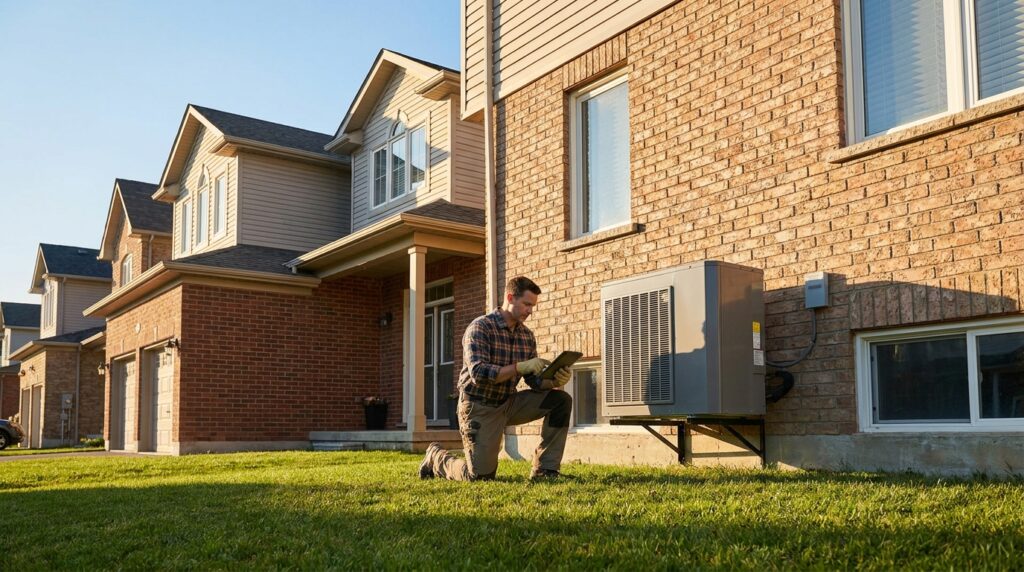
- The housing stock is old. The median American home is now over 40 years old, and aging houses generate non-optional work — roofs, wiring, plumbing, HVAC. We dug into that math in why old-house maintenance costs are surging.
- Nobody’s moving. Owners locked into pandemic-era mortgage rates are staying put and renovating the house they have instead of trading up. NAHB’s economists expect remodeling activity to grow another 3% in 2026 partly on this “renovate over relocate” effect.
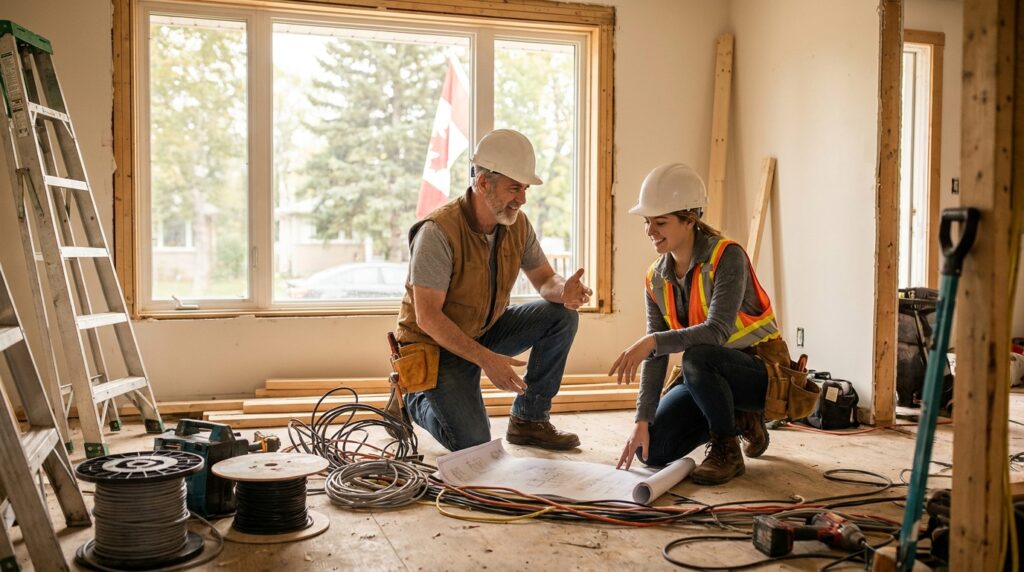
- Pros are doing the work. Houzz’s 2026 renovation report finds 93% of renovating homeowners hire a professional for at least part of the job — general contractors lead at 55%, followed by builders and kitchen-and-bath designers.
Canada is running the same play: renovation costs there have stopped climbing steeply but aren’t falling, and spending is being pulled by the same structural forces — aging homes, energy retrofits, and owners staying put.
Record Total, Smaller Projects
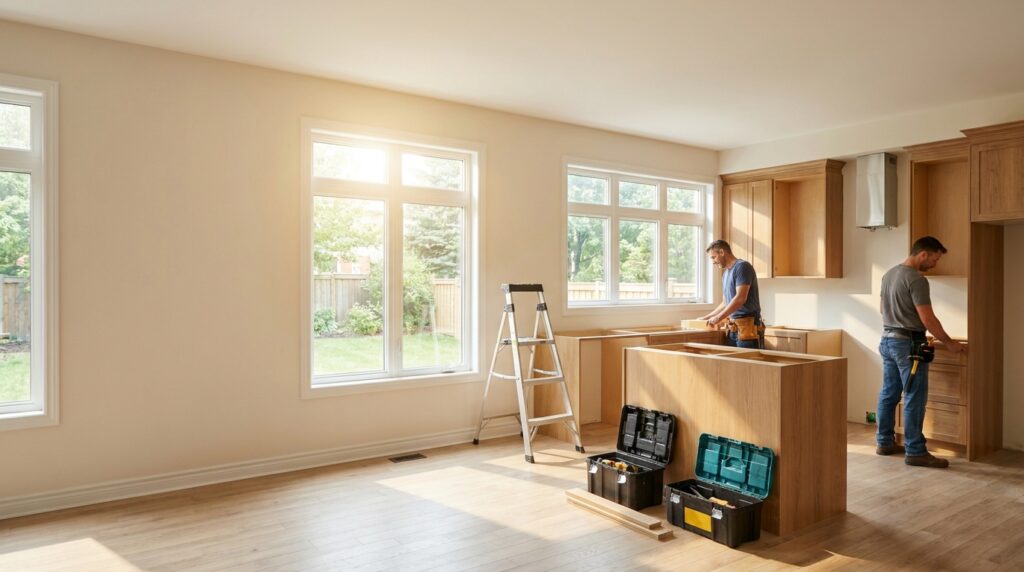
Here’s the wrinkle: record aggregate spending doesn’t mean bigger individual projects. Per-project budgets have actually tightened — a trend we flagged when renovation budgets started shrinking — and most owners aren’t renovating with resale in mind anymore. The money is spreading across more households doing more modest work: painting, bathroom refreshes, system replacements, and phased versions of what used to be single gut remodels.
That’s what “record spending, slowing growth” looks like on the ground. The must-do work keeps coming; the discretionary showpiece projects are the part easing off.
What Homeowners Should Do With This
Book the must-do work now, negotiate the nice-to-have later. Demand is still at record levels, so the good crews are busy through early fall. But if Harvard’s downshift materializes in late 2026, contractors will have more calendar room — and more pricing flexibility — over the winter. A kitchen remodel you can schedule flexibly may cost meaningfully less booked for January than for September.
Phase instead of postponing. With budgets tight, splitting a big project into stages beats deferring it entirely — deferred maintenance on a 40-year-old house rarely gets cheaper. Do the plumbing and electrical while the walls are open; the cosmetic layer can wait a season.
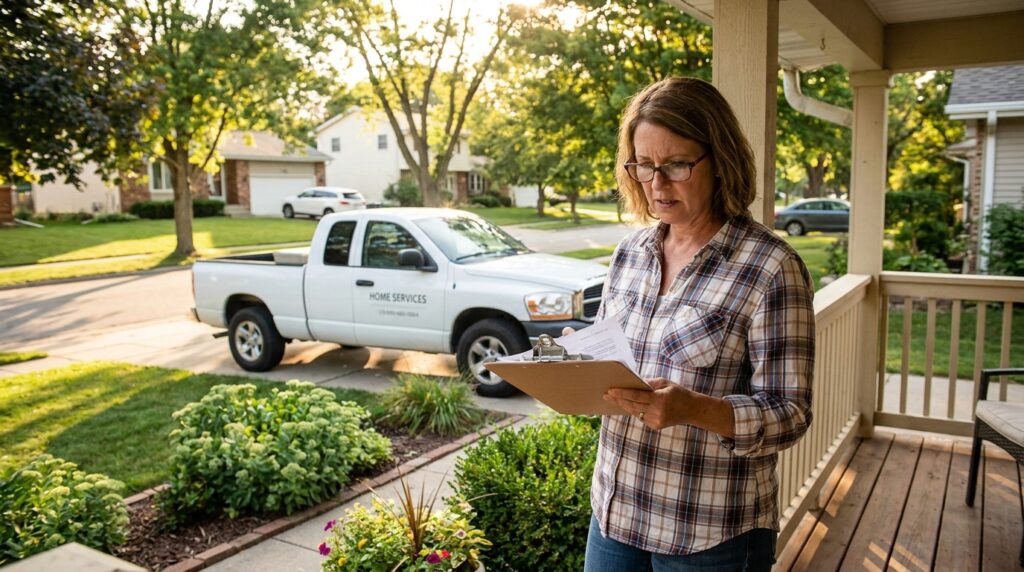
Get multiple quotes while you can. A slowing market is the best time to comparison-shop in years. Three quotes on the same scope will show you real spread, especially on bathroom remodeling near you and other mid-size jobs where contractor workloads vary most.
What It Means for Service Pros
If you make your living in the trades, the forecast argues for balance: the repair-and-replace pipeline (roofs, HVAC, water heaters, electrical) stays strong regardless of the cycle, while big discretionary remodels are the segment cooling first. Pros who cultivate maintenance relationships — the annual furnace tune-up, the recurring handyman list — enter a slower back half with revenue the downshift can’t touch. And with 93% of homeowners looking for professional help, the constraint on growth isn’t demand. It’s still finding each other.
That last part is what MastersGuild is for. Whether you’re lining up winter quotes or filling your fall calendar, get quotes on MastersGuild.