If your latest tax bill made you do a double take, you’re not alone. The property tax increase most homeowners saw in 2026 has outpaced what their homes actually gained in value: assessments rose an average of 6.2% between 2025 and 2026, while the typical US homeowner’s bill hit $4,427 — up 3.7% in a year and climbing faster than inflation. Unlike a mortgage payment, this is a cost that never gets paid off, and in 2026 it’s rising alongside record home insurance premiums.
Why Property Taxes Keep Rising in 2026
The core driver is a lag effect. Home values jumped almost 27% faster than inflation since 2020, but assessors don’t reprice every home every year. Many jurisdictions are only now catching up to the pandemic-era boom — which means bills are spiking even in markets where prices have since flattened or dipped.
The sharpest increases are landing where values ran hottest: Texas, Florida, Arizona, Tennessee, and the Carolinas, plus perennial high-tax states like New Jersey, Illinois, and Connecticut. And assessors have new tools — many now use the same aerial imagery that insurers use to spot unreported additions, finished basements, and new decks without ever visiting the property.
Canada Isn’t Immune
Canadian homeowners are feeling the same squeeze through a different mechanism: municipal budget hikes. Toronto’s 2026 budget adds a 2.2% property tax increase — modest on its own, but it stacks on top of a 6.9% hike in 2025 and a 9.5% jump in 2024. That’s roughly 19% in three years, compounding on an average home assessed at about $692,000. Other Canadian cities have followed similar paths as provincial funding tightens and infrastructure costs rise.
What You Can Actually Do About It
The good news: property taxes are one of the few housing costs where pushing back often works.
Check the assessment record first
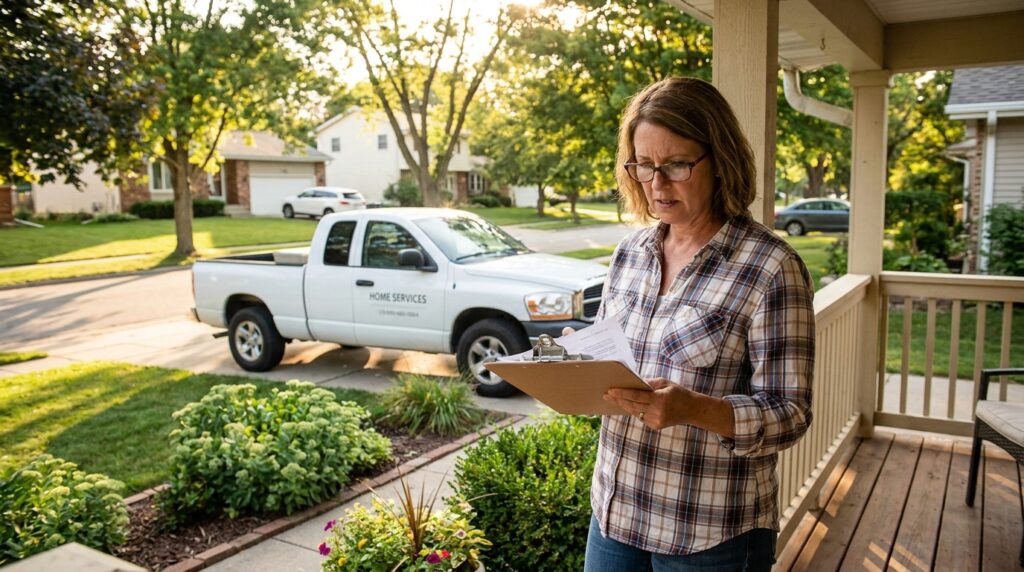
Pull your property card from the assessor’s website and verify the basics — square footage, bedroom and bathroom counts, lot size, finished basement status. Clerical errors are surprisingly common, and an inflated record means an inflated bill every year until someone catches it.
Appeal if the number looks high
Every US county and Canadian province has a formal appeal window (in Ontario it’s a Request for Reconsideration with MPAC; in most US counties it opens when assessment notices mail out). Gather 3–5 recent sales of comparable homes and file before the deadline. A large share of homeowners who appeal win at least a partial reduction — and if the paperwork feels overwhelming, a local tax professional can handle the appeal for you, often for less than one year’s savings.
Claim the relief you’re entitled to
States are responding to the backlash. New Hampshire’s homestead exemption leaps from $120,000 to $400,000 effective January 1, 2026. Indiana’s new 10% property tax credit (up to $300 per homeowner) is projected to save residents $1.3 billion by 2028. Most states and provinces also run senior, veteran, and disability exemptions that go unclaimed simply because nobody applies.
Renovating? Know What Triggers a Reassessment
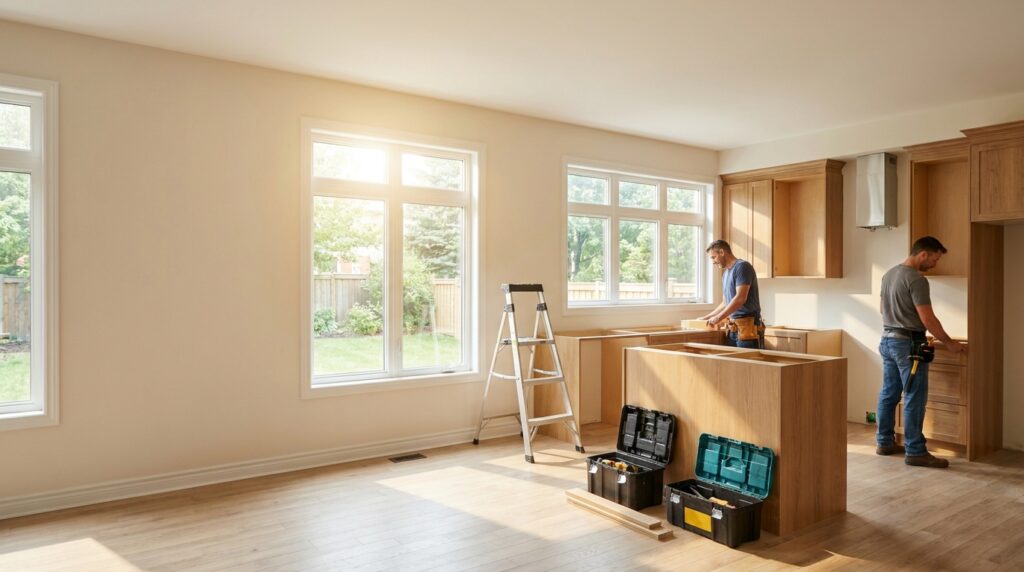
Here’s where taxes intersect with your project plans. Repairs and maintenance — a new roof, furnace replacement, repainting — generally don’t raise your assessment. Improvements that add livable space or value usually do: additions, finished basements, and major kitchen remodels typically get picked up when the permit closes.
That’s not a reason to skip permits or defer upkeep — deferred maintenance costs far more than the tax delta, and unpermitted work creates problems at sale time. It’s simply worth factoring the ongoing tax impact into a renovation budget, the same way you’d factor in financing costs.
Rising taxes are one more fixed cost you can’t control — but keeping the house itself in shape is one you can. When a project does make the list, get competing quotes from vetted local pros instead of taking the first number: Get quotes on MastersGuild.