
Local service guide
Warehouse organization in Charleston, WV
For warehouse organization in Charleston, hire a crew against a written scope that names the storage zones, stock-handling tasks, labeling system, and removal work. Ask each bidder to separate sorting from rack changes or construction. Before approving alterations, check with the City Building Department, which requires permits before construction begins. Confirm recycling arrangements before the crew loads unwanted packaging. [1] [2] [3]
Define the work before requesting quotes
Describe the result you need in terms your staff can check: a receiving area cleared for deliveries, labeled shelf locations, a returns zone, or a stockroom arranged around your picking process. Send bidders photographs and a sketch showing doors, existing storage, and the areas you want them to work on. Mark any stock that must remain accessible during the reset.
Specify whether the crew will count stock, reconcile discrepancies, or move items according to a list you provide. Name the person who can approve disposal and inventory changes. Keep questionable stock in a hold area until that person decides its destination. Ask for a location map and a sample label before the crew labels the whole space.
Choose a crew for the handling involved
Ask bidders to explain how they will handle your heaviest items and reach elevated stock. Request proof of insurance for the proposed work, identify who will operate any lifting equipment, and agree on responsibility for damaged goods. Describe fragile items, liquids, and materials requiring special handling before the site visit.
Treat rack installation, anchoring, electrical work, and building alterations as separate scope items for review. Charleston requires permits before construction work begins and lists commercial remodeling, repairs, electrical, plumbing, and HVAC among its permit categories. The city page does not settle whether your particular rack change requires a permit; ask the Building Department about the proposed design. [1]
Compare the full quote
Request a written price that identifies crew size, working hours, supplies, equipment, hauling, and exclusions. For hourly work, ask whether the rate covers one worker or the entire crew. Set an approval point before the provider exceeds your agreed budget. For a fixed price, define what happens if the crew finds more stock or waste than you described.
Use the same scope for each bidder. Ask who buys bins and labels, who enters new locations into your inventory system, and who pays disposal charges. Compare the total for the completed assignment. The supplied sources do not establish a local labor rate or typical project duration, so obtain a site-specific quote.
Plan removal around local acceptance rules
Create separate destinations for retained stock, reusable supplies, recycling, and disposal. KCSWA lists corrugated cardboard, office paper, and several metals among accepted materials at its Charleston facility. Call before arranging a business load to confirm quantities, preparation, unloading, and any charges rather than assuming the published list covers your shipment. [2]
Give the crew the facility's sorting rules before packing the vehicle. KCSWA requires separate materials in designated bins and prohibits bags in those bins. Its plastics guidance accepts number 1 and number 2 bottles and jugs but excludes rigid totes and storage containers. It also states that Kanawha County does not currently accept polystyrene foam for recycling. [3]
Schedule the reset and check the handover
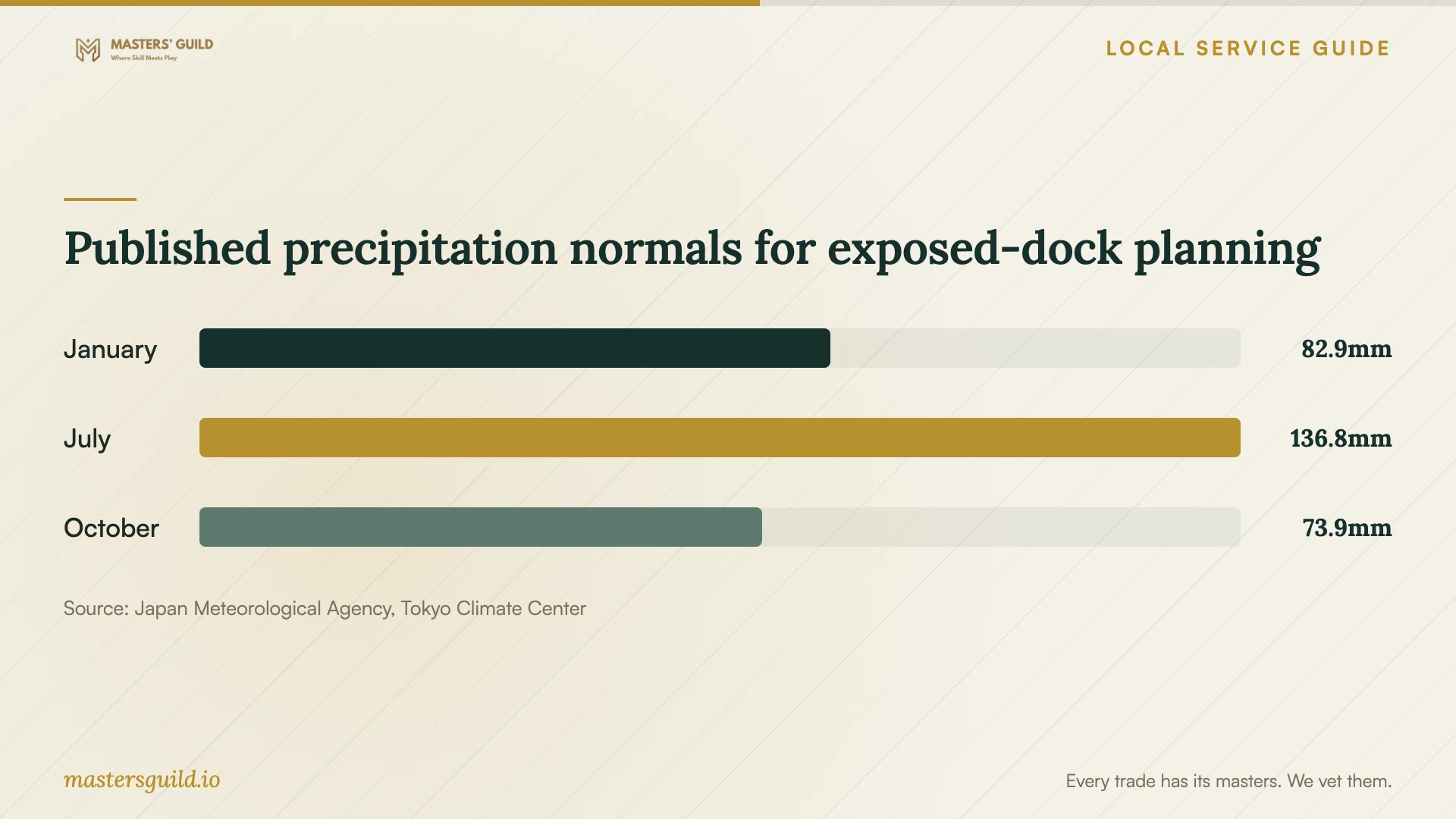
Arrange work around your delivery and dispatch commitments. Start with a defined zone if you need to keep operating, and identify where staff may stage stock during the work. If the crew will use an exposed dock, arrange covered staging and check the forecast. The station precipitation data below provide seasonal context, not a forecast for your appointment. [4]
Before accepting completion, have an employee locate sample items using the new labels and map. Check that the crew accounted for stock moved into the hold area and removed only approved materials. Record remaining tasks, collect the editable label files, and assign a staff member to review misplaced stock and replenishment locations.
Published precipitation normals for exposed-dock planning
Local details that affect your job
Confirm alteration scope with the city
For construction within Charleston city limits, submit permit applications to the Permit Coordinator at 915 Quarrier St, Suite 5, Charleston, WV 25301. The city lists 304-348-6833 for the Permit Office. Send a description of any proposed rack anchoring or building changes and ask which applications and inspections apply. The city waives construction permit fees for total job costs up to $2,500; that fee waiver does not remove its stated permit requirement. [1]
Book hauling around Slack Street hours
KCSWA lists its recycling facility at 600 Slack Street, with drop-off hours Monday through Friday from 8:00am to 5:00pm and the second Saturday of each month from 9:00am to 5:00pm. It closes on Sundays and state and national holidays. Call 304-342-4477 to confirm your commercial load before assigning the crew a removal day. [2]
Sort stretch film and unwanted totes separately
KCSWA accepts listed plastic bags and films when they are dry and free of contaminants such as paper, tape, and food waste. Its guidance includes bubble wrap and water bottle case wrap. It excludes rigid storage containers from its bottle and jug plastics stream. Ask about your specific warehouse wrap, and give unwanted totes a separate reuse or disposal destination. [3]
Match the assignment to the right scope
| Your situation | Scope to request | Before approving |
|---|---|---|
| Labels and stock locations need a reset | Sorting, location map, labels, and inventory updates | Approve a sample label and identify who resolves count differences. |
| Heavy or elevated stock needs moving | A documented handling plan with suitable equipment | Confirm operator responsibilities and insurance for the work. |
| The plan includes rack or building changes | Separate alteration scope for city review | Ask the Building Department which permits and inspections apply. |
| Packaging and old totes need removal | Separated recycling, reuse, and disposal loads | Confirm KCSWA acceptance; rigid totes do not belong in its bottle and jug plastics stream. |
Your hiring checklist
- Photograph each work zone and identify stock that must remain accessible.
- Choose one person to approve disposal and resolve inventory discrepancies.
- Agree on label wording, shelf locations, and an inventory update method.
- Request insurance proof and a handling plan for heavy or elevated stock.
- Separate alteration work from sorting in the written scope.
- Confirm hauling destinations and acceptance before loading materials.
- Set a budget approval point and written completion criteria.
- Test the new location map with an employee before signing off.
Frequently Asked Questions
How much should I budget?
Ask for a site-specific quote covering labor, supplies, equipment, and removal. These sources do not establish a Charleston price range. Give bidders the same inventory and zone descriptions, and ask them to state what could trigger an additional charge.
Does organizing a warehouse require a permit?
The city's page addresses construction and does not identify sorting or labeling as a permit category. If your assignment includes rack anchoring, remodeling, or other alterations, describe the work to the Building Department before starting. Charleston requires permits before construction begins. [1]
Can the crew recycle all our plastic packaging?
Confirm each material with KCSWA. Its guidance accepts specified clean, dry bags and films, restricts bottle and jug plastics to numbers 1 and 2, and excludes rigid storage containers from that stream. It states that polystyrene foam is not currently accepted for recycling in the county. [3]
Can we keep dispatching orders during the work?
Ask the provider to propose a sequence by zone. Reserve access to dispatch stock, agree on temporary staging locations, and name an employee who can approve each move. Include delivery windows and the final location-map check in the schedule.
Sources and scope
This guide combines the sources below with practical planning guidance. Figures apply to the stated geography and period; request a written quote for your property.