
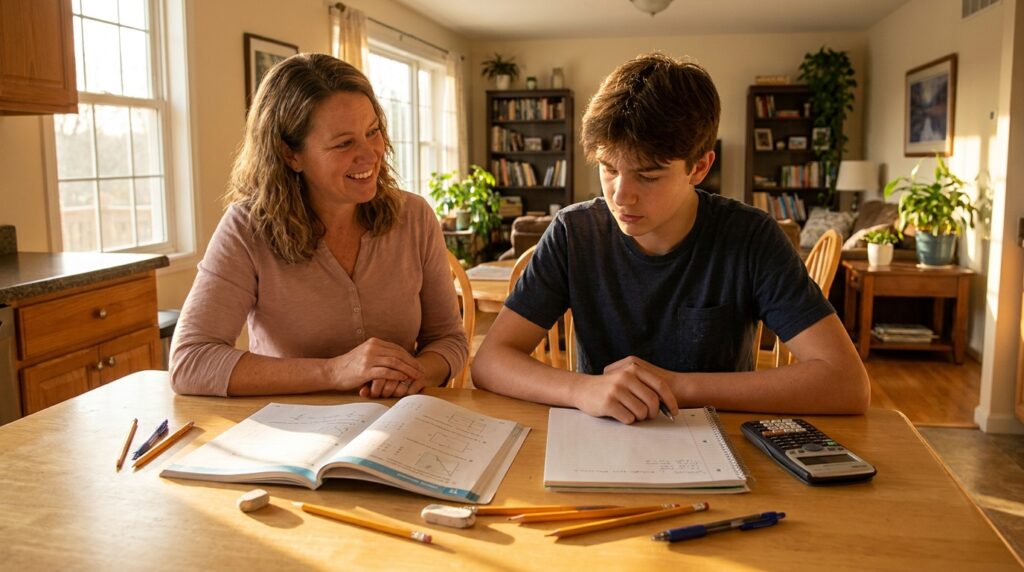
With back-to-school season around the corner, tutoring cost is on a lot of family budgets right now. In 2026, most North American families pay $25–$80 per hour for one-on-one tutoring — roughly $40–$65 USD for a typical private math or science tutor in the US, and $45–$80 CAD in Canada. Online sessions run cheaper, elite test-prep specialists run far higher, and rates climb 20–35% once fall exam season hits. Here’s what drives the price, what each format costs, and how to hire well before the October scramble.
Tutoring Cost in 2026: Typical Rates
Tutors charge by the hour, and the spread is wide because qualifications vary more than in almost any other service — from a high-school honors student to a certified teacher with a master’s degree.
| Tutor type | US (USD/hr) | Canada (CAD/hr) |
|---|---|---|
| Student / peer tutor | $15–$30 | $15–$30 |
| Online one-on-one | $20–$45 | $25–$45 |
| Private in-person tutor | $40–$65 | $45–$80 |
| Certified teacher, in person | $60–$100 | $60–$100 |
| Elite / specialized test prep | $75–$150+ | $80–$150+ |
Group sessions and learning centers usually land between the online and private one-on-one rates, trading some individual attention for a lower hourly price.
What Drives the Price Up or Down
Subject and grade level
STEM subjects cost more. Calculus, physics, and chemistry tutors routinely charge $10–$20/hr above the same tutor’s rate for elementary math, simply because fewer people can teach them well. University-level help sits at the top of every range.
Credentials and experience
A certified teacher typically earns about double what a student tutor does — and for a struggling student, the difference in outcomes is often worth it. Specialized training (learning disabilities, gifted programs, IB/AP curricula) adds more.
Season and timing
Tutoring has a pronounced peak season. Standardized-test prep pushes prices up 20–35% in fall and spring, while summer bookings often run 10–15% below peak. Booking a recurring weekly slot in August — before everyone else remembers school exists — is the single easiest way to get a better rate and a better tutor.
Format
Online tutoring averages roughly $43/hr in Canada and $20–$70 in the US, undercutting in-person rates because nobody drives anywhere. For self-motivated older students it works well; younger kids and hands-on learners usually get more from face-to-face sessions.
Is Tutoring Worth It vs. DIY Homework Help?
Parents can absolutely cover homework help in early grades — the same logic we laid out in DIY vs hiring a pro applies to services of every kind. But tutoring earns its fee when the math has outrun your memory, when homework time has become a nightly battle, or when a specific goal (an exam, a failed midterm, a university application) has a deadline. One focused hour with a good tutor often beats five tense hours at the kitchen table.
It’s also worth remembering that education spending is shifting fast — as we covered in why Pell Grants now include trade school, skills-based learning is having a moment, and tutoring in practical and technical subjects is growing alongside the classic academic kind.
How to Vet a Tutor Before You Hire
- Ask for a trial session. Most tutors offer a discounted or free first hour — chemistry with the student matters more than the resume.
- Check subject-specific results, not general praise. “Raised my kid’s chemistry grade from C to B+” beats “great with kids.”
- Confirm the plan. A good tutor assesses first and can tell you after two sessions what the gaps are and how long they’ll take to close.
- Prefer recurring weekly slots. Consistency beats cramming, and most tutors discount standing bookings.
- For minors, ask about references and background checks just as you would for a babysitter.
You can compare qualified science and math tutoring providers on MastersGuild, or find a tutor near you and get quotes before the fall rush books up the good ones.
Frequently Asked Questions
How much does a math tutor cost per hour?
Most private math tutors charge $40–$65 USD per hour in the US and $45–$80 CAD in Canada in 2026. Student tutors run $15–$30, while certified teachers and test-prep specialists can exceed $100/hr.
Is online tutoring cheaper than in-person?
Yes — online sessions typically cost 20–40% less than the same tutor in person, with US online rates around $20–$45/hr. The trade-off is that younger students often engage better face-to-face.
How many tutoring sessions per week do students need?
One to two hours per week is standard for keeping up in a subject; exam prep or catching up after a failed term usually calls for two to three. Consistent weekly sessions outperform last-minute cramming.
When is the cheapest time to book a tutor?
Summer and late August. Rates run 10–15% below peak, and fall test-prep season pushes prices up 20–35% — plus the best tutors’ schedules fill by October.
Ready to line up help before the school-year rush? Get quotes on MastersGuild