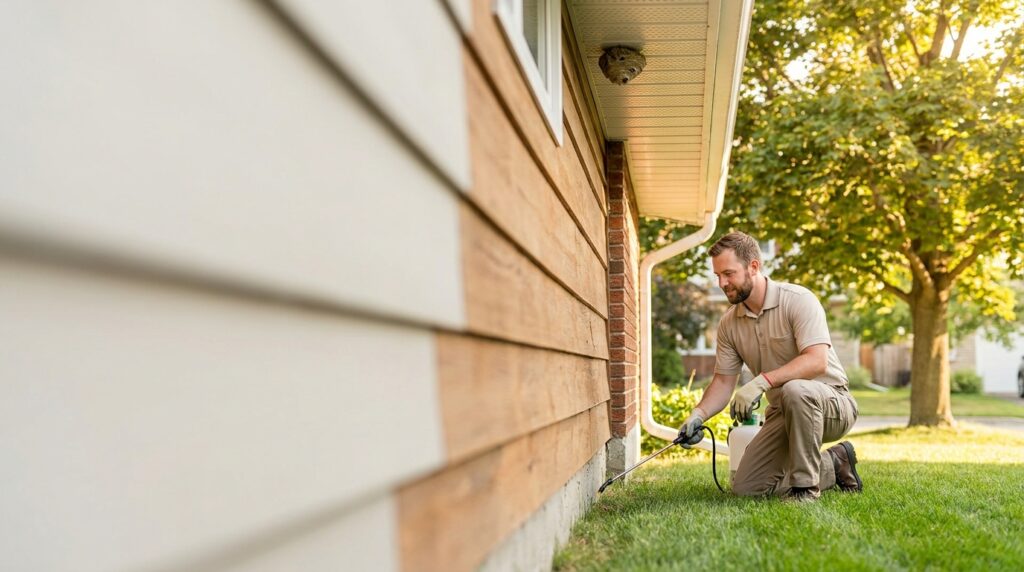
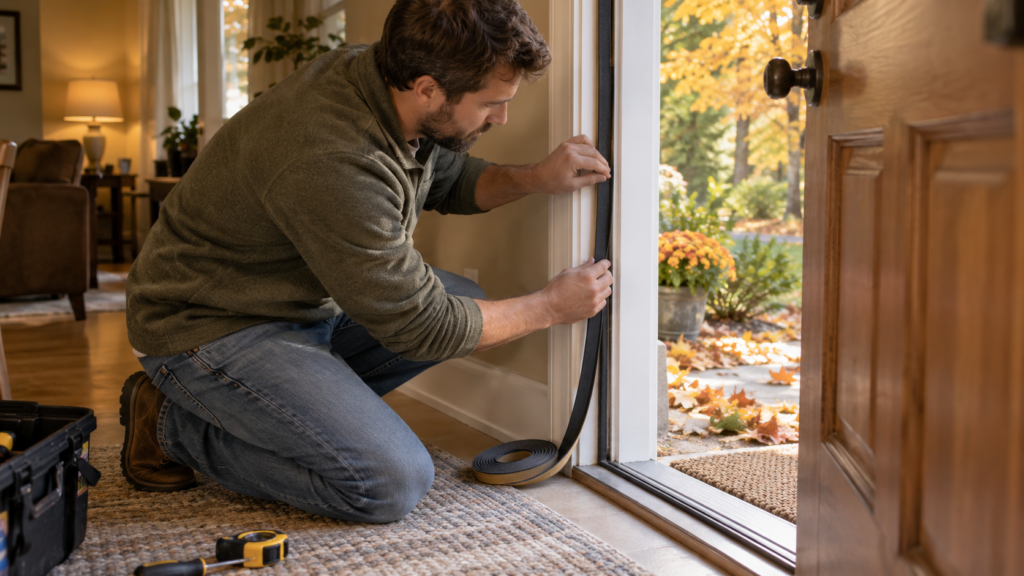
Use a fall weatherization checklist to seal large air leaks, maintain your heating equipment, and book qualified help for safety or building-envelope work before cold weather arrives. The U.S. Department of Energy says small cracks and holes can add up to an opening as large as a window or door, so a room-by-room inspection gives you a better starting point than replacing parts at random.
Key takeaways
- Start with visible gaps around pipes, chimneys, recessed lights, doors, and attic openings.
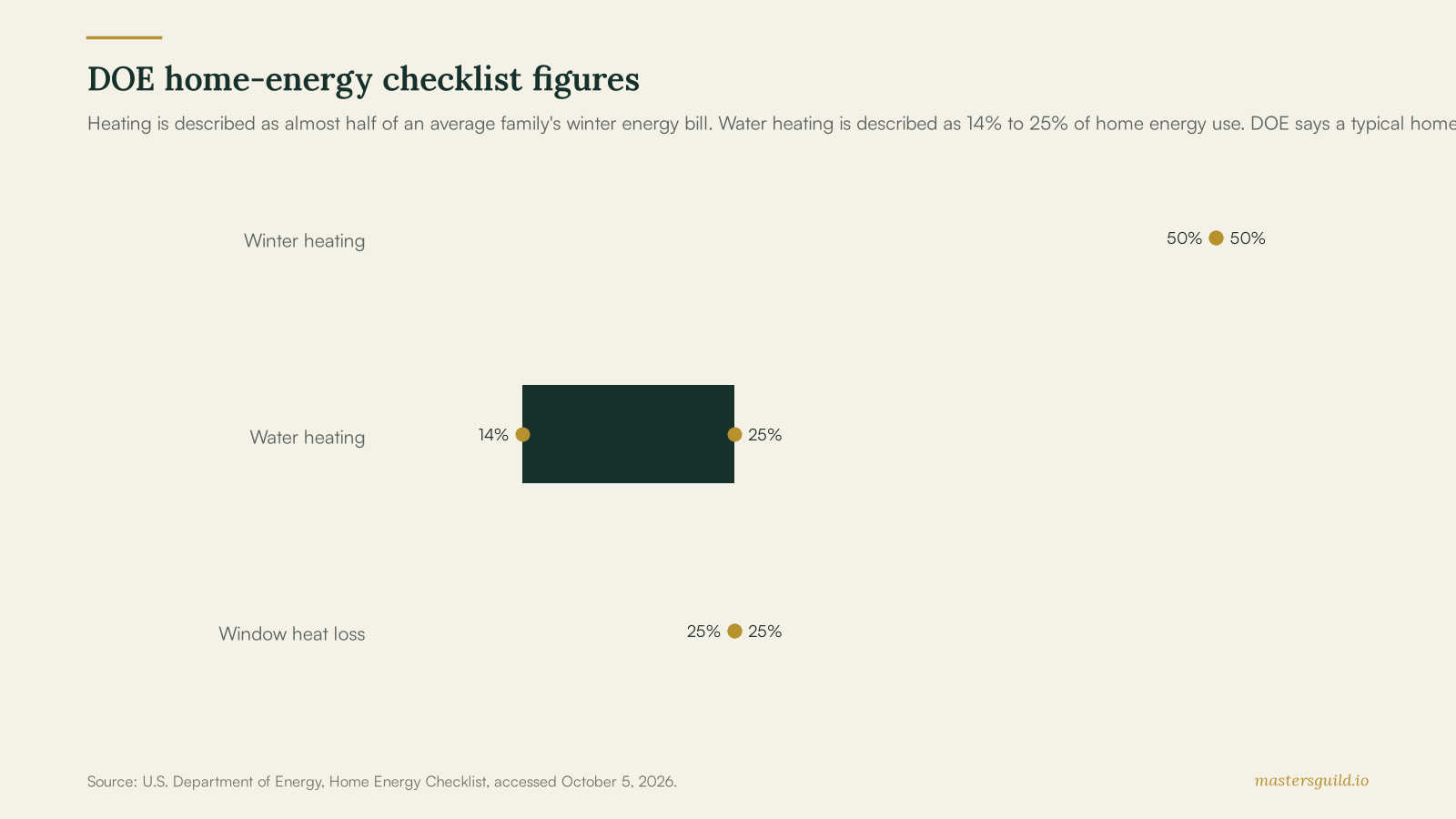
- DOE says heating can account for almost half of an average family’s winter energy bill.
- Set a water heater to 120°F to reduce scalding risk and energy use, following manufacturer guidance for your system.
- Hire qualified pros for combustion safety, electrical work, roof leaks, insulation, or window and door replacement.
Find the large leaks before you buy materials
Walk the house on a windy day and note where you feel a draft or see a gap. DOE’s Home Energy Checklist identifies utility cut-throughs for pipes, gaps around chimneys and recessed lights in insulated ceilings, and unfinished spaces behind cupboards or closets as common leak locations. Check window latches and exterior-door weatherstripping at the same time.
Take photos and write down the room, location, and whether you see moisture, damaged trim, or a visible opening. That record helps you decide whether a basic seal is enough or whether water, wiring, combustion equipment, or structural damage needs a professional visit.
DOE also publishes weatherization job aids for specific work such as exterior doors, attic hatches, ducts, and windows. Use those task-specific references when you need to describe a repair scope.
| Area | Homeowner check | Book a pro when | DOE reference |
|---|---|---|---|
| Exterior doors and windows | Lock latches and inspect weatherstripping | Frames leak, rot, bind, or need replacement | Home Energy Checklist |
| Attic and ceiling | Look for gaps away from hot fixtures | Work is near chimneys, wiring, or recessed lights | Home Energy Checklist |
| Pipes and vents | Note openings around penetrations | A pipe leaks, a vent has damage, or a gap needs fire-safe treatment | Home Energy Checklist |
| Heating equipment | Schedule annual maintenance | Combustion, venting, or safety testing is needed | Whole-House Weatherization |
Put safety work ahead of comfort upgrades
DOE’s Whole-House Weatherization guidance groups weatherization with health and safety work. Its checklist includes combustion-appliance safety testing, vent-system repairs that move combustion gases outside, and checks for mold, moisture, and fire hazards. Do not seal or insulate around a problem you have not identified.
Ask a qualified HVAC professional to maintain a furnace or heat pump each year. Call a plumber for a leaking pipe or water-heater concern. Use an electrician for damaged wiring or work near electrical fixtures. For a failing window or exterior door, compare the repair scope with our door and window repair guide before you request offers.
Prioritize actions with the clearest energy role
DOE says heating can account for almost half of an average family’s winter energy bill, while water heating can account for 14% to 25% of home energy use. The same checklist recommends a 120°F water-heater setting and says a typical home can lose more than 25% of its heat through windows. Those figures give you a sensible order: stop large air leaks, maintain the heating system, and address window performance after you understand the condition of the whole home.
Book an energy audit if the source of the draft remains unclear. DOE recommends a blower-door test to identify the largest cracks. An auditor can help you avoid spending on a window or insulation project when a simpler air-sealing repair addresses the larger leak.
Give each contractor a defined scope
Send the same photo list and room notes to each pro. Ask them to identify the source of the problem, the materials and safety steps they plan to use, the work they will exclude, and the test they will use to confirm the repair. A clear scope makes quotes easier to compare.
Separate a repair from a full replacement decision. A door that needs weatherstripping calls for a different scope than a door with rot or a frame that admits water. The same principle applies to windows. Read our roof repair cost guide if staining or moisture points to a roof issue, and use our electrician cost guide when a draft investigation exposes damaged wiring or an unsafe fixture.
Frequently Asked Questions
What should I do first for fall weatherization?
Inspect for large, visible air leaks and moisture problems first. Check pipe openings, attic gaps, doors, windows, chimneys, and recessed lights, then schedule qualified help for safety or repair issues.
Can I weatherstrip an exterior door myself?
You can inspect and replace accessible weatherstripping when the door and frame are sound. Hire a qualified pro when the door binds, the frame has rot, water enters the opening, or the repair affects structural parts.
Should I replace windows to stop drafts?
Start by locking windows, checking weatherstripping, and identifying the source of the draft. A qualified contractor can assess whether repair, air sealing, or replacement suits the window’s condition and your home’s broader needs.
Why should I book heating maintenance in fall?
DOE recommends professional annual maintenance for furnaces and heat pumps. A qualified technician can inspect the system before you depend on it through cold weather.
Post your room notes, photos, and weatherization priorities on Masters’ Guild to compare offers from identity-verified local pros. Get fall weatherization help on Masters’ Guild.