
Local service guide
Wall painting in Worcester, MA: Plan and Hire
Arrange wall painting in Worcester by asking painters to quote the same rooms, repairs, paint products and cleanup responsibilities. Before anyone sands or scrapes a home built before 1978, establish how they will address possible lead paint. EPA recommends a certified lead inspector or risk assessor, or assuming lead paint is present, and hiring a lead-safe certified contractor. Check Worcester’s lead-abatement assistance if you need hazard removal, then agree on the painting scope and who will handle leftover materials. [1] [3]
Define the finish and preparation before comparing quotes
Walk through each room with the painter. Point out holes, loose paint, stains and repairs you want included. Photograph the walls and identify ceilings, doors, trim and closets as included or excluded. Ask the painter to explain which areas need repair or primer before you approve the work.
Request the paint manufacturer, product, color and sheen in writing. Specify the proposed coat count and ask how the painter will handle areas that need additional coverage. Choose a sample area you can view in daylight and under your room lighting before approving the color for the whole room.
Ask for a room-by-room schedule, responsibility for moving furniture, protection for floors and belongings, and cleanup at the end of each workday. Agree on how you will approve added repairs and their price. Compare the total for the same scope rather than choosing from unexplained lump sums.
Resolve lead questions before sanding or scraping
EPA says homes built before 1978 are more likely to contain lead-based paint. Renovation and repair that disturb painted surfaces can create lead dust, including during preparation for painting. Find the construction year and share any existing lead inspection reports with the painter before agreeing to preparation methods. [3]
EPA recommends hiring a certified lead-based paint inspector or risk assessor to determine whether lead paint is present, or assuming that it is present. For the painting project, ask for evidence of lead-safe certification and a written explanation of containment, cleanup and occupant access. EPA advises homeowners against attempting lead abatement themselves. [3]
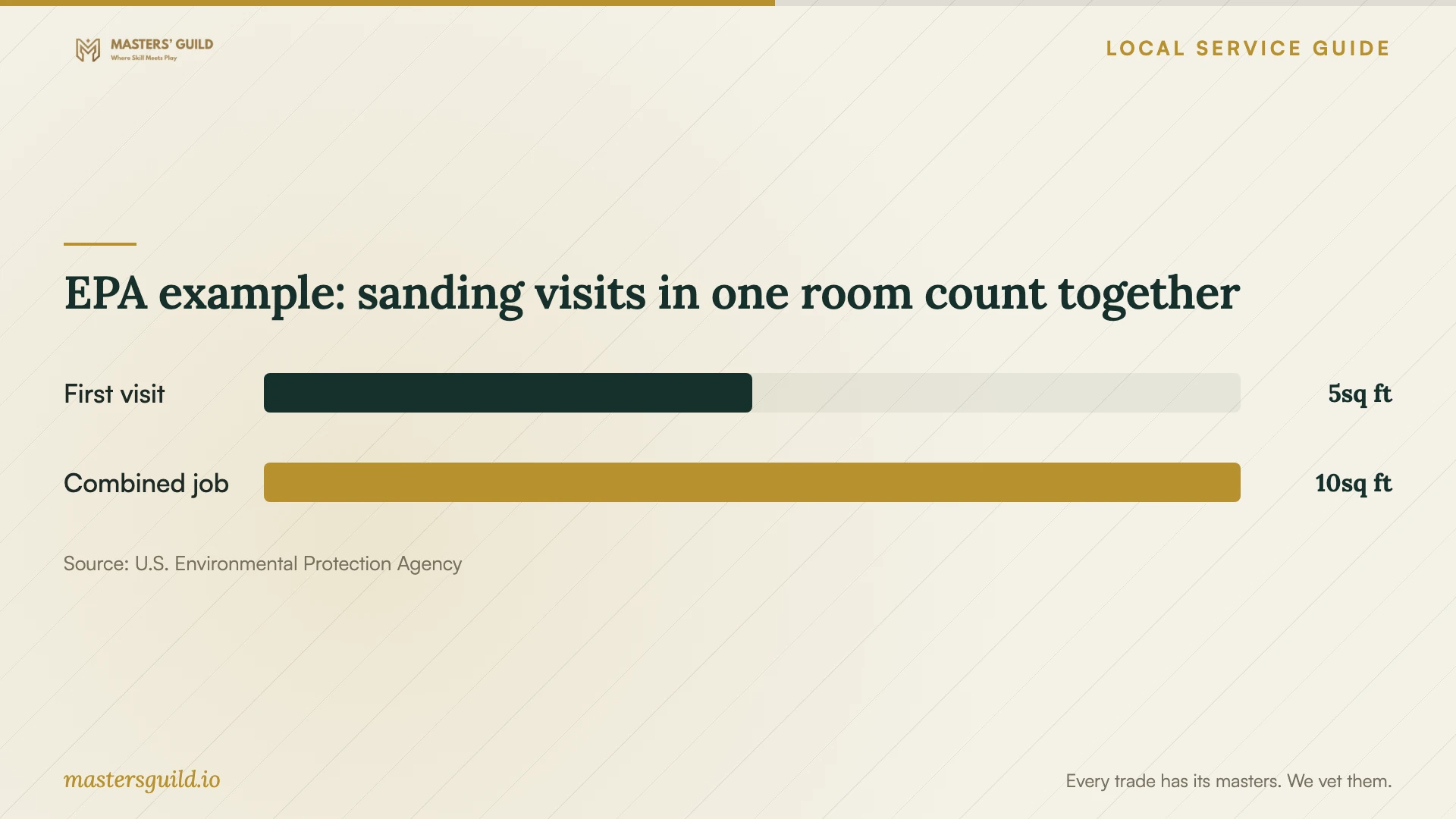
Treat spot preparation as part of the full job. EPA counts nonemergency paint-disturbing work in the same room within the same 30 days together when determining whether it qualifies as minor repair and maintenance. Ask the painter to identify the total disturbed area rather than describing each visit as a separate small repair. [4]
Separate decorative painting from lead-hazard removal
Worcester’s Lead Abatement Program offers grant assistance with lead-paint abatement costs at eligible properties. The city says both owner-occupied and investor-owned properties may qualify, with income and rental restrictions. Contact Housing and Neighborhood Development before committing to hazard-removal work if you want the city to assess possible assistance. [1]
The city states that Massachusetts law requires abatement of lead-paint hazards wherever children under six reside. If that describes your household, tell the city program contact and ask which assessment and abatement steps apply to your property. Keep the decorative painting proposal separate from the assessment and hazard-removal scope so you can review each responsibility. [1]
Ask the painter to identify work they will perform and work they expect another specialist to handle. Request separate written descriptions for inspection, hazard treatment, wall repairs and finish painting. Avoid approving a general promise to cover damaged paint without an explanation of how the contractor will address the underlying concern.
Agree on cleanup and leftover paint before work starts
Decide whether you want to keep labeled leftover paint for touchups. Ask the contractor to describe how they will remove their waste and include that responsibility in the quote. Worcester’s household hazardous-waste program excludes commercial or industrial waste from businesses or contractors, so do not assume the contractor can use your resident appointment. [2]
For your own household leftovers, Worcester lists oil-based paints, stains, varnishes, paint thinner, solvents and strippers among accepted hazardous-waste materials. The city excludes latex paint. Its latex instructions tell residents to absorb the remainder with crumpled newspaper or let the paint dry, secure the lid, and place the can in a yellow city trash bag. [2]
Before final payment, inspect the agreed surfaces with the painter under your normal room lighting. Compare the result with the written scope and record any remaining touchups. Ask for product labels, color details and the manufacturer’s guidance on drying, curing and cleaning so you can care for the finish.
EPA example: sanding visits in one room count together
Local details that affect your job
Ask the city about lead-abatement assistance
Worcester’s Lead Abatement Program may help eligible owner-occupied and investor-owned properties pay for lead-paint abatement. Income and rental restrictions may apply. The city directs interested owners to Jim Brooks, Healthy Homes Program Manager. Housing and Neighborhood Development lists 508-799-1400 and an office at City Hall, fourth floor, 455 Main Street. Ask about eligibility and application steps before authorizing work you hope the program will support. [1]
Book household oil-paint disposal and confirm eligibility
As retrieved on October 11, 2026, Worcester lists its next household hazardous-waste collection for November 7, 2026, from 9 a.m. to noon at 1065 Millbury Street. The free program requires an appointment and proof of Worcester residency, with a limit of 25 gallons or 25 pounds. It accepts oil-based paint materials, excludes latex paint, and rejects business or contractor waste. Confirm the date and available appointment before planning your cleanup. [2]
Choose the next step for your walls
| Your situation | Next step | What to settle before hiring |
|---|---|---|
| Sound walls and a color change | Request a defined painting proposal | Products, preparation, coat count and included surfaces |
| Pre-1978 home with unknown paint history | Arrange lead assessment or plan on the assumption of lead paint | Lead-safe certification and preparation practices |
| Lead hazards where a child under six resides | Contact Worcester’s lead program about abatement and possible assistance | Assessment, eligibility and a separate hazard-removal scope |
| Household oil-based paint left after the job | Confirm a resident hazardous-waste appointment | Residency proof, quantity limit and accepted materials |
| Waste generated by the painting contractor | Ask the contractor to arrange disposal | Written removal responsibility; the city household collection excludes contractor waste |
Your hiring checklist
- List rooms and identify whether ceilings, trim, doors and closets belong in the quote.
- Photograph wall damage and ask the painter to itemize proposed repairs.
- Find the construction year and gather existing lead inspection documents.
- Ask the painter to explain preparation methods and provide relevant certification evidence.
- Specify paint products, colors, sheen, primer and proposed finish coats.
- Agree on furniture moving, room access and daily cleanup.
- Assign responsibility for leftover paint and contractor waste.
- Record added-work approval terms and arrange a final walkthrough.
Frequently Asked Questions
What should I ask a painter to include in the estimate?
Request the rooms and surfaces, repairs, primer, paint products, coat count, protection, cleanup and exclusions. Ask how you will approve extra work. Give each bidder the same description so you can compare the proposed work and total price.
Can a painter split sanding into separate small visits?
EPA combines nonemergency work in the same room within the same 30 days when evaluating its minor-repair definition. Its example combines two five-square-foot sanding sessions into one ten-square-foot job. Ask the painter to assess the complete preparation scope. [4]
Can Worcester help pay for lead-paint work?
The city’s Lead Abatement Program may assist eligible owner-occupied and investor-owned properties with abatement costs. Income and rental restrictions may apply. Contact Housing and Neighborhood Development about your property before assuming you qualify. [1]
Can I take latex paint to the hazardous-waste collection?
Worcester excludes latex paint from that collection. The city instructs residents to absorb the remainder with newspaper or allow it to dry, secure the lid, and place the can in a yellow city trash bag. Ask your painter to handle contractor-generated waste separately. [2]
Sources and scope
This guide combines the sources below with practical planning guidance. Figures apply to the stated geography and period; request a written quote for your property.