
Local service guide
mold removal in Tampa: hiring and repair planning
Arrange mold removal in Tampa by requesting an inspection and an itemized scope that separates cleanup, moisture-source repairs and rebuilding. Ask for the responsible professional's licensing information and verify it with Florida's Department of Business and Professional Regulation. For a flood-damaged home, contact Tampa Construction Services about floodplain repair requirements before approving demolition and reconstruction. [1] [2]
Choose the right level of cleanup help
Florida Department of Health says you can handle most areas smaller than about 10 square feet, but people cleaning mold should have no symptoms or allergies. Consult your doctor about health concerns before cleanup. For a suitable small area, the department recommends detergent or an appropriate cleaner, gloves and goggles, followed by thorough drying. [1]
Size alone does not settle the choice. Florida health guidance calls for a professional experienced with contaminated-water damage when sewage or other contaminated water caused the problem. For extensive water damage or growth above the small-area guideline, it directs readers to broader remediation guidance. Ask an experienced provider to explain the scope before you disturb affected materials. [1]
Photograph the affected rooms and describe the water event, recurring growth or musty odor to each bidder. Ask which materials they can clean and which they propose to remove. Florida health guidance identifies drywall, carpet padding and insulation as materials that may require removal and replacement when cleaning is difficult. [1]
Find and repair the moisture source
Ask the inspector to identify where the water came from and who will correct it. Florida health guidance lists roof leaks, plumbing leaks, condensation, air-conditioner drain pans and poor bathroom or kitchen ventilation among possible sources. It warns that growth returning or spreading after cleanup can indicate an underlying leak. [1]
For suspected air-conditioning involvement, ask who will inspect the coils, liner surfaces, drain pan and drain lines. Florida Department of Health recommends checking these areas. If workers find mold contamination in the system, the department advises shutting it down during cleaning or removal. Discuss that arrangement with the provider before work starts. [1]
For prevention, the department recommends indoor humidity below 60 percent and describes below 50 percent as preferable for controlling mold and dust mites. If you need supplemental dehumidification alongside central air conditioning to stay below 60 percent, it recommends having the air-conditioning system examined. [1]
Evaluate testing and credentials
Florida Department of Health does not recommend routine sampling to establish whether you have a mold problem or identify the type. It says visible growth usually makes sampling unnecessary and that no health-based or exposure-based standards exist for evaluating sampling results. Ask any bidder proposing tests to explain their purpose, interpretation and follow-up action. [1]
The department identifies Florida's Department of Business and Professional Regulation as the licensing authority for mold assessors and remediators. Request the responsible professional's license information and check it with that agency. Tampa's disaster guidance also advises checking insurance, references and complaints. [1] [2]
Ask about experience with your materials and water damage. Request a written cleanup approach, including protection of unaffected rooms, handling of removed materials and approval of additional work after workers expose hidden damage. Name the person responsible for answering questions throughout the job.
Compare itemized quotes
Obtain itemized, site-specific quotes for cleanup, drying, moisture repairs and rebuilding. Tampa recommends at least three written, itemized estimates for disaster repairs. Give bidders the same description and compare included work, exclusions and proposed completion requirements before choosing. [2]
Ask whether the total includes equipment rental, disposal, replacement materials and proposed testing. Require written approval before extra work begins. If workers will run drying equipment on your power supply, request equipment ratings, operating hours and a clear statement of who pays the electricity bill.
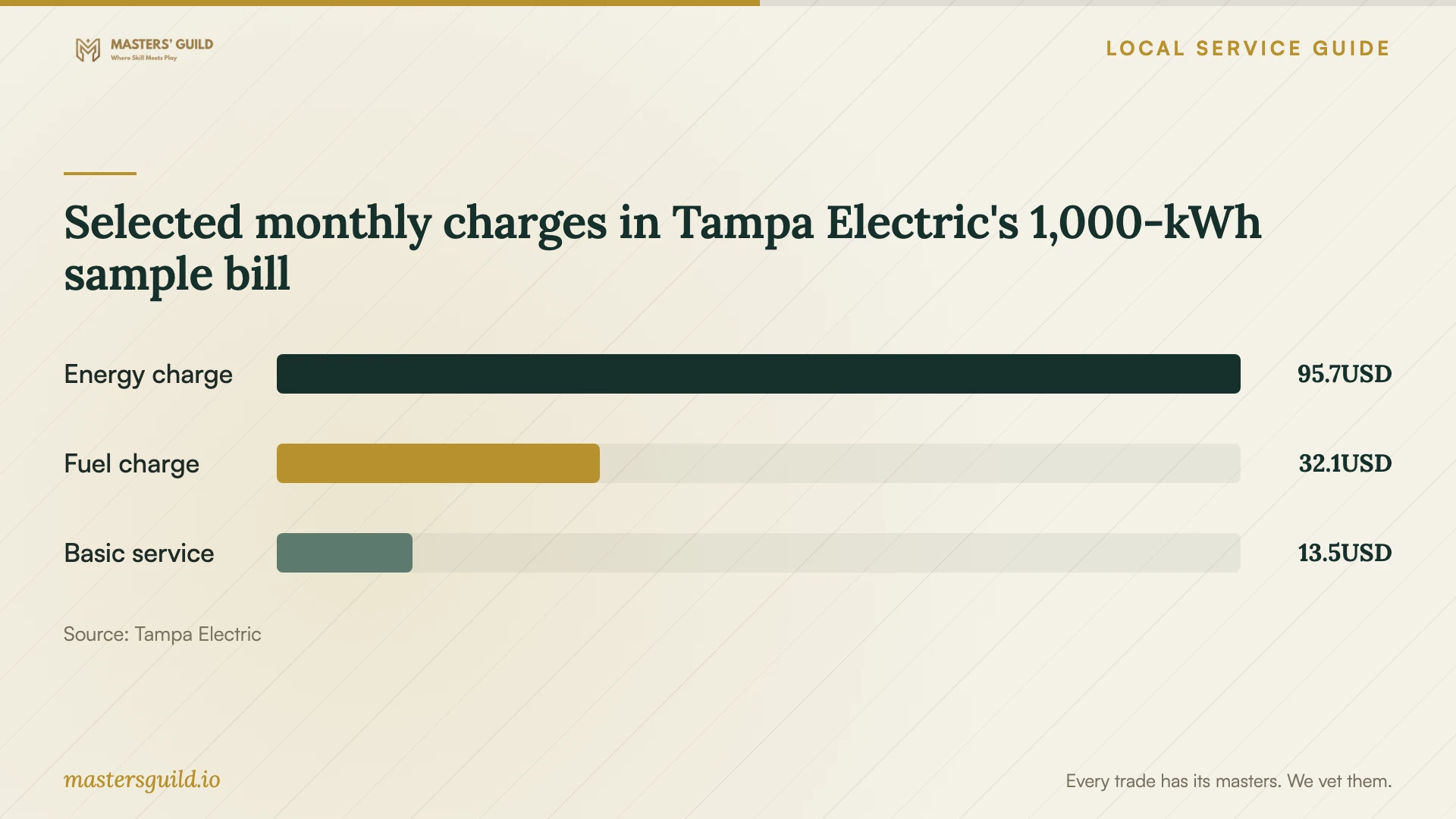
Tampa Electric's monthly sample bill separates energy and fuel charges from basic service and other components. Use your applicable rate schedule when discussing drying electricity costs. The chart shows selected sample-bill charges; it does not establish equipment consumption, an added drying cost or a mold-remediation price. [4]
Set completion requirements before rebuilding
Write down the rooms and materials covered, the moisture-repair responsibility and the documents you expect at handover. Ask how the provider will judge cleanup and drying completion, who will review unresolved issues and when reconstruction can begin. Request photographs of work that replacement finishes will conceal.
Florida health guidance emphasizes cleaning away growth or removing affected materials. It says bleach is unnecessary in most cases and advises against ozone generators for mold problems. Ask a bidder proposing chemical treatment to explain how workers will remove growth and correct the moisture source. [1]
Walk through the agreed scope with the contractor and record outstanding items. Tampa advises disaster-repair customers to withhold final payment and a completion signature until satisfied with the work. Its guidance also recommends obtaining subcontractor lien releases before final payment. [2]
Selected monthly charges in Tampa Electric's 1,000-kWh sample bill
Local details that affect your job
Check the full flood-repair scope with Tampa
For city properties in Flood Zone AE, Coastal A or VE, Tampa says substantial improvements or substantial-damage repairs may require flood-resistant rebuilding. Its guidance generally describes the threshold as repairs or improvements exceeding 50 percent of the structure's depreciated pre-flood value. Call Construction Services at 813-274-3100, Option 1, before approving flood-related demolition and reconstruction. Ask how the city will evaluate the complete repair scope, and discuss requirements with your insurer and mortgage lender. [2]
Separate drying electricity from equipment rental
For a Tampa Electric account, ask the remediation provider to distinguish equipment rental from power consumed at your home. The utility's monthly 1,000-kWh sample bill lists energy and fuel charges separately; its $13.50 basic-service component covers 30 days. Tampa Electric says customers pay basic service even on days without electricity use. Avoid treating the full sample-bill total as an incremental drying rate. Request equipment ratings and planned operating hours, then consult your own rate schedule. [4]
Confirm any older storm-repair exception
Tampa's October 30, 2024 hurricane-recovery notice described permit consultations and exceptions for certain repairs, including drywall repairs two feet or less above the finished floor. The notice warns that its information may no longer be accurate. Before relying on that exception, ask Construction Services for requirements applicable to your address and proposed work. The historical notice does not establish a current exemption or current consultation availability. [2] [3]
Choose the next step for your damage
| Situation | Next step | Question to resolve |
|---|---|---|
| Small area below about 10 square feet | Consider homeowner cleanup only if you have no symptoms or allergies; consult your doctor about health concerns first | Can you clean the material and correct its moisture source? |
| Extensive water damage or larger growth | Discuss broader remediation guidance and scope with an experienced provider | Which materials need cleaning or removal? |
| Sewage or contaminated-water damage | Hire a professional experienced with contaminated-water cleanup | Does the proposed scope cover this water source? |
| Suspected mold in air conditioning | Discuss inspection; arrange shutdown during cleanup if system contamination is found | Who will handle the equipment and moisture problem? |
| Flood damage in a Tampa flood hazard area | Contact Construction Services before approving rebuilding | How will the city evaluate the full repair scope? |
Your hiring checklist
- Photograph affected rooms without opening walls or disturbing moldy materials.
- Describe the water event, recurring growth and suspected air-conditioning involvement.
- Ask who will identify and correct the moisture source.
- Request licensing information, insurance documentation and relevant references.
- Compare itemized cleanup, drying, material-removal and rebuilding scopes.
- Ask Construction Services to clarify floodplain and permit questions before reconstruction.
- Agree on electricity responsibility, extra-work approval and completion documents in writing.
Frequently Asked Questions
Do I need a mold test before hiring someone?
Florida Department of Health says visible growth usually makes sampling unnecessary and does not recommend testing to identify the mold type. Ask what decision a proposed test would inform and how the provider would interpret the result. [1]
Can I clean a small patch myself?
Florida health guidance allows homeowner cleanup in most cases below about 10 square feet, but says the person cleaning should have no symptoms or allergies. Consult your doctor about health concerns before starting. Sewage or other contaminated-water damage calls for an experienced professional. [1]
Does Tampa require a permit for mold removal?
Ask Construction Services about your specific cleanup, demolition and reconstruction scope. Tampa's older hurricane notice described some repair exceptions but warns that its information may be outdated. Do not rely on it as a current blanket exemption. [2] [3]
Should a provider remove moldy drywall?
Florida health guidance says difficult-to-clean materials, including drywall, carpet padding and insulation, may need removal and replacement. Ask for a material-by-material explanation and agree on the rebuilding scope before authorizing demolition. [1]
Sources and scope
This guide combines the sources below with practical planning guidance. Figures apply to the stated geography and period; request a written quote for your property.