
Local service guide
Pressure Washing in Springfield, MA: Hiring Guide
Arrange Pressure Washing in Springfield, MA by asking each bidder for a surface-specific cleaning method, a written price and a wash-water collection and disposal plan. Springfield’s DPW identifies power washing as a source of wastewater pollution, and the city prohibits unauthorized non-stormwater discharges into its storm drainage system. Before booking, agree on the areas to clean, water access, protection measures and who will handle wastewater. [1] [2]
Define the job before requesting prices
Send bidders photographs of the entire cleaning area and close views of stains, peeling finishes, cracks and joints. Identify the material wherever you can, such as painted wood, vinyl siding, brick, concrete or pavers. Ask the contractor to inspect any material you cannot identify before choosing a cleaning method.
Request separate line items for each area, including siding, steps, patio and driveway. Ask whether the contractor includes stain treatment, furniture moving, wastewater collection and final cleanup. Have the bidder explain the proposed pressure and cleaning products for each surface, and request a small test area before approving the full wash.
The utility rates below describe water and sewer consumption charges. Obtain a site-specific service quote rather than using those rates as a pressure-washing price estimate. Ask what would trigger an extra charge, such as adding an area or attempting further stain treatment. [4]
Agree on wastewater handling before work starts
Springfield’s DPW lists outdoor power washing among activities that produce wastewater and contribute to stormwater pollution. The department explains that detergents, oil and other pollutants can reach streams and wetlands through storm drains without treatment. Walk the site with the bidder and point out street gutters, nearby drain inlets and the direction water runs across the paving. [1]
The city’s storm-drain ordinance prohibits pollutant and non-stormwater discharges into the municipal storm drainage system, watercourses and waters of the commonwealth, subject to its exemptions. Its definition of the drainage system includes gutters and curbs. Ask the contractor to describe collection equipment, the disposal destination and any approval needed for that destination. [2]
If the contractor proposes rinsing dirty water toward the street or cannot explain a compliant disposal route, contact DPW before booking. The ordinance also prohibits obstructing normal stormwater flow without prior written departmental approval, so ask DPW about any proposed drain-blocking arrangement. [2]
Check proposed changes to historic exteriors
Springfield protects exterior architectural features visible from a public street or park within its historic districts. The city’s Historic Districts FAQ directs owners to seek Historical Commission approval before changing those features. If the proposed cleaning includes paint removal or could change a finish or exterior appearance, describe the method to the Commission before authorizing work. [3]
The FAQ does not establish that each routine wash needs approval. Ask about your address and proposed scope rather than assuming either an exemption or a permit requirement. Send photographs and the contractor’s description of the cleaning method so staff can assess the work you intend to arrange. [3]
Clarify water access and utility charges
Ask whether the contractor brings water or uses your outdoor tap. If you supply water, agree on the connection location, hose route and responsibility for shutting the tap off. Request an expected consumption figure if you want to discuss the utility cost, without treating that figure as a guaranteed volume.
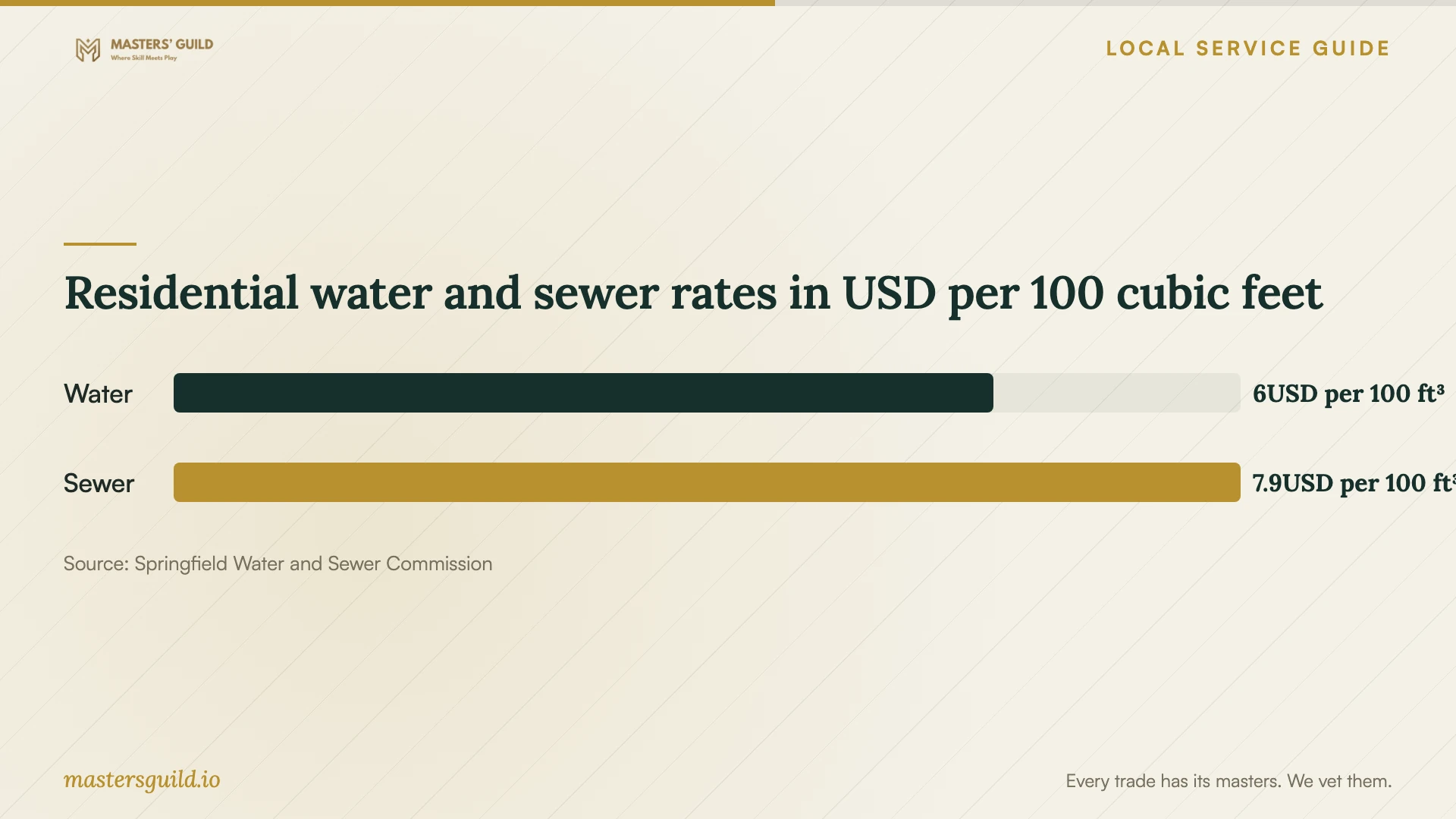
For fiscal year 2027, the Springfield Water and Sewer Commission publishes residential consumption rates of $6.03 for water and $7.85 for sewer per 100 cubic feet. The Commission equates that volume to approximately 748 gallons. Confirm how outdoor use affects your account before assuming a sewer-charge exemption, and keep fixed monthly charges separate from this consumption comparison. [4]
Prepare the property and agree on completion
Before the appointment, move vehicles and portable furniture from the agreed work area. Close windows, identify outdoor electrical equipment and show the contractor any loose trim or damaged seals. Agree on plant protection and a hose route that keeps an entrance available. Ask the crew to pause if it discovers a surface condition outside the quoted scope.
Request evidence of insurance and ask who will perform the work. Put the schedule, payment terms, weather rescheduling arrangement and damage-reporting process in writing. At completion, walk the cleaned areas with the contractor, compare them with your starting photographs and discuss remaining stains before accepting additional treatment.
Residential water and sewer rates in USD per 100 cubic feet
Local details that affect your job
DPW is the local contact for discharge questions
Springfield’s storm-drain ordinance assigns administration and enforcement to DPW. The department lists 311 or 413-736-3111 as its contact number. Before booking a job with uncertain runoff handling, describe the surfaces, cleaning products and intended disposal route to DPW and ask what approval the proposed arrangement needs. [1] [2]
Residential car washing has a narrow exemption
Section 334-7 lists individual residential car washing among conditional exemptions, provided the source does not significantly contribute pollutants. It does not name house or driveway pressure washing as that exemption. Ask your bidder to justify the actual disposal plan rather than relying on a general claim that residential washing is exempt. [2]
Historical Commission review depends on the proposed change
The city lists the Historical Commission contact as 413-787-6020 through the Planning Department at 70 Tapley Street. For work that may change a protected exterior, ask whether the Commission needs an application. Its FAQ describes certificates of appropriateness, hardship and non-applicability. Discuss the scope with staff before choosing a certificate category. [3]
Resolve these conditions before accepting a quote
| Condition | Next step | What to request |
|---|---|---|
| Runoff could reach a street gutter | Ask the bidder for a collection and disposal plan; contact DPW if unclear. | Collection method, disposal destination and relevant approval. |
| Bidder cites the residential car-washing exemption | Ask how the exemption applies to the proposed job. | A scope-specific explanation rather than a blanket exemption claim. |
| Cleaning could change a historic exterior | Ask the Historical Commission about review before authorizing work. | Photos and a written description of the proposed method. |
| Contractor wants to use your tap | Check your account’s billing treatment. Fiscal year 2027 residential rates: water $6.03 per 100 cubic feet; sewer $7.85 per 100 cubic feet. | Water-supply responsibility and expected consumption. |
| Surface or finish is uncertain | Arrange an inspection and test area. | A written method and stop-work arrangement. |
Your hiring checklist
- Photograph the surfaces, stains and existing damage before requesting bids.
- Request matching scope and exclusions from each bidder.
- Ask for the cleaning method and a test area for each material.
- Agree on wastewater collection and a disposal destination before booking.
- Confirm water access, hose routes and who supplies the water.
- Ask about historic review if cleaning could change an exterior finish.
- Record protection measures, payment terms and the completion walkthrough.
Frequently Asked Questions
Can a contractor send wash water into a street drain?
Springfield prohibits unauthorized pollutant and non-stormwater discharges into its storm drainage system, subject to specified exemptions. Ask for a collection and disposal plan. Contact DPW if the contractor cannot explain how the proposed discharge complies. [2]
Does a historic home need approval for pressure washing?
The city requires approval before changes to protected exterior architectural features in historic districts. Its FAQ does not say that each routine wash requires approval. Ask the Historical Commission about the specific cleaning method, especially if it includes paint removal or a finish change. [3]
Do the published water rates tell me the job price?
The Commission’s rates describe utility consumption charges, not contractor prices. Ask for a written service quote covering each cleaning area, stain treatment and wastewater handling, then confirm who supplies the water. [4]
What should I ask about stains that remain?
Ask the bidder to identify the intended result and any excluded stain treatments before work starts. If stains remain, request an explanation and a separate price for further treatment before authorizing another pass.
Sources and scope
This guide combines the sources below with practical planning guidance. Figures apply to the stated geography and period; request a written quote for your property.