
Local service guide
Basement Remodeling in Santa Ana, CA
Arrange Basement Remodeling in Santa Ana by defining your intended room use, requesting a site assessment, and comparing itemized proposals before committing to construction. Take approval questions to Building Safety and zoning questions to Planning. The city handles both departments’ applications through Accela. Agree with your contractor on who will submit plans, respond to comments, and schedule inspections. [1]
Describe the use and resolve approval questions
Write down whether you want storage, a family room, sleeping space, or separate living quarters. Identify any proposed bathroom or cooking area. Give the same description to the designer, contractor, and city staff. Before paying for a final layout, request answers about the approvals and design information your proposal needs.
Santa Ana provides separate contacts for Planning and zoning questions and for Building Safety assistance. Its Accela portal accepts plan reviews and permit requests for both departments. Use those channels to establish the review path for your intended use: contact Planning at (714) 647-5804 for zoning questions and Building Safety at (714) 647-5800 for building questions. [1]
During the assessment, have the designer measure ceiling clearance, stairs, openings, and access for materials. For sleeping space, request confirmation of applicable escape and access provisions from the city. For separate living quarters, request a written explanation of the proposed approval path before accepting a construction price. These are questions to resolve for your property, rather than a claim that the city will approve the conversion.
Prepare the project in a clear order
First, gather existing drawings, prior application numbers, and photographs of the space. Mark anything you want to retain. Record where you have noticed staining, water entry, or cracks, including when you observed them.
Second, arrange a site assessment and send your intended-use description to the relevant city department. Have the designer identify unresolved measurements, structural questions, and proposed plumbing routes. Request an investigation or design proposal when the contractor cannot price those items with a defined scope.
Third, resolve the investigation and approval questions before seeking comparable construction bids. Give bidders the same layout and selections. Fourth, name the people responsible for applications, revisions, inspections, and your approval of changed work. Use that task list when reviewing the contract.
Investigate moisture and plan rain protection
Show the contractor suspected water-entry points and previous repairs. Request an assessment of exterior drainage, below-grade openings, and affected interior surfaces. Have the contractor explain the proposed investigation before selecting coatings, flooring, or wall finishes.
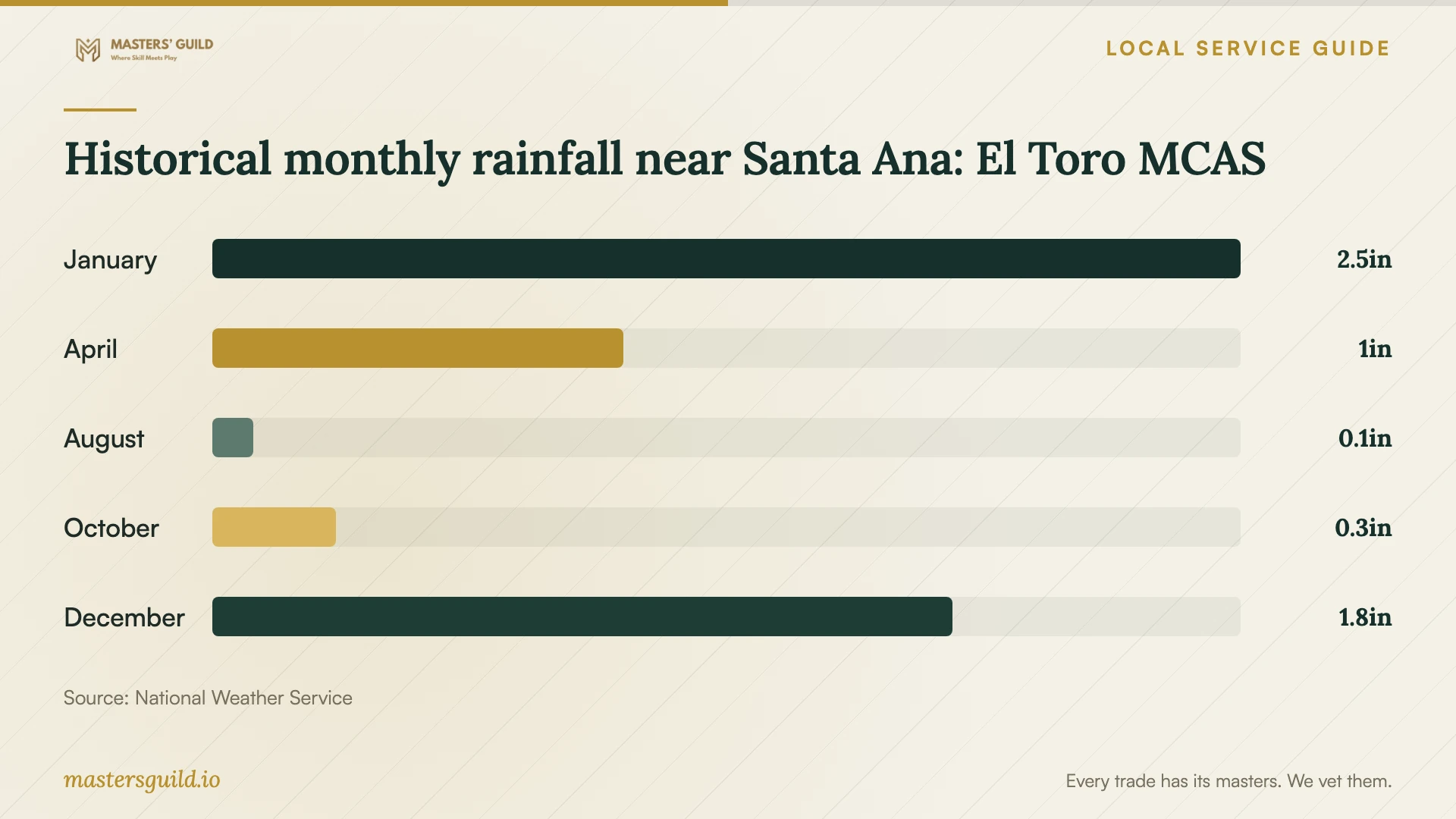
The National Weather Service’s historical El Toro MCAS summary describes winter-dominated precipitation. Its table lists mean rainfall of 2.5 inches in January and 0.3 inches in October. These regional observations support a discussion about protecting excavation and exposed openings during rain; they do not diagnose moisture at your home. [3]
Agree on what you will review after investigation and repairs, before crews enclose affected surfaces. For exterior work, request a rain-protection plan and a description of how the contractor will secure exposed areas between workdays.
Compare scopes and control changes
Request separate items for investigation, design, demolition, moisture work, building systems, and finishes. Have bidders identify quantities, selected products, allowances, and exclusions. For a bathroom, request the proposed drain route and an explanation of any investigation needed before the contractor commits to its price.
CSLB requires written contracts for California home improvement projects over $500. Include detailed work and materials, contractor identification and license number, responsibility for necessary permits, a completion date, and a detailed payment schedule. Put promised cleanup, debris removal, and warranties in writing. [2]
For a home improvement job, CSLB limits the down payment to $1,000 or 10 percent of the contract price, whichever is less, excluding finance charges. Special-order materials do not create an exception. Subsequent payments cannot exceed the value of work performed. [2]
You and the contractor must sign a written change order before changing the contract price or scope. Discuss how the contractor will document concealed conditions and request your approval. Require the proposed response, price, and any schedule adjustment before authorizing additional work. [2]
Historical monthly rainfall near Santa Ana: El Toro MCAS
Local details that affect your job
Prepare digital submissions before the application
Santa Ana moved new permit and plan review submissions to Accela effective July 1, 2026. Register with a valid email address and assign someone to monitor email and portal communications. The city offers public kiosks and limited scanning assistance, but warns of significant scanning waits. Prepare digital plans before visiting the counter. [1]
Arrange access to an existing project record
Santa Ana distinguishes general registered-user functions from document functions available to associated contacts or licensed professionals. If a designer or previous owner created the record, request the appropriate account association from the city before expecting to download project documents or upload revisions. For formally submitted, active legacy building plan-check projects, confirm whether the limited original paper or ProjectDOX submission exception remains available. [1]
Build inspection booking into the schedule
Santa Ana requires inspection scheduling through Accela by 3:00 p.m. to reserve an inspection time for the next business day. The city closes on alternate Fridays. Have the contractor check the city calendar and name the person who will book inspections before promising a sequence that depends on city visits. [1]
Choose the next step before accepting a bid
| Your situation | Next step | Request from the contractor |
|---|---|---|
| You want sleeping space or separate living quarters | Take building questions to Building Safety and zoning questions to Planning | An intended-use description and a list of approval questions |
| You have unexplained dampness | Commission an investigation before choosing finishes | An investigation scope and proposed repair sequence |
| Someone else created the city application | Request appropriate Accela record association | The record number and an agreed division of document tasks |
| The schedule depends on an inspection | Account for the 3:00 p.m. booking cutoff and alternate-Friday closures | A named inspection scheduler and a calendar check |
| The contractor proposes additional work | Sign a written change order before changing scope or price | The reason, revised work, price, and schedule adjustment |
Your hiring checklist
- Write the intended-use description and identify sleeping, cooking, and bathroom plans.
- Gather drawings, application numbers, photographs, and notes about previous repairs.
- Request a measured assessment and identify investigation questions before selecting finishes.
- Send building and zoning questions to the relevant city department.
- Prepare digital documents and agree on project-record access.
- Compare bids against the same layout, selections, allowances, and exclusions.
- Review permit responsibility, payments, completion date, and change-order terms.
- Agree on inspection booking, cleanup, completion documents, and written warranties.
Frequently Asked Questions
Does my intended basement use need city approval?
Describe the proposed use and alterations to Building Safety, and take zoning questions to Planning. Santa Ana provides separate contacts for these departments and accepts their applications through Accela. The supplied city guidance does not establish basement-specific approval or design requirements, so obtain an answer for your property before committing to the layout. [1]
How should I compare remodeling prices?
Compare itemized bids after an assessment and a defined layout. Separate investigation, design, moisture repairs, building work, and finishes. Have each bidder identify allowances and exclusions. Request a price for the same scope rather than comparing totals for different proposals.
Can I access an application my designer started?
Create an Accela account and request the appropriate record association from the city. Santa Ana reserves some document functions for associated contacts or licensed professionals. Agree with your designer on who will retrieve comments, upload revisions, and retain approved documents. [1]
How much can a contractor request upfront?
CSLB limits the home improvement down payment to $1,000 or 10 percent of the contract price, whichever is less, excluding finance charges. The rule has no special-order-material exception. Subsequent payments cannot exceed the value of work performed. [2]
Sources and scope
This guide combines the sources below with practical planning guidance. Figures apply to the stated geography and period; request a written quote for your property.