
Local service guide
TV mounting in Salem, OR: Plan the Wall and Power
Arrange TV mounting in Salem by agreeing on the wall attachment, screen position and cable route before you accept a quote. Ask the installer to separate mounting from any electrical work. Oregon requires electrical contractors to hold both a Construction Contractors Board license and the appropriate Building Codes Division contractor license. If you want a new outlet behind the screen, identify who will do that work and how they will handle authorization before booking. [1]
Define the mounting job before requesting offers
Give each installer the same information: the TV model, mount model if you own one, a photo of the whole wall, and a close view of the proposed attachment area. Include the outlet and the devices you want connected. Ask the installer to confirm mount compatibility and an attachment method suited to the wall before accepting the job.
Mark the proposed screen outline with removable tape and check the view from your usual seat. Tell the installer whether you want a fixed position, tilt or movement toward another seating area. Ask them to check access to the TV connections and demonstrate the planned movement before drilling.
For a fireplace location, provide photos of the surround and identify the fireplace and TV models. Ask the installer to check both manufacturers' placement instructions and explain the attachment plan. Consider another wall if they cannot resolve those questions before installation.
Separate cable routing from electrical work
Ask for a drawing or written description of the cable route. Specify whether you want a visible surface route or openings in the wall, and identify who will patch and finish any openings. Have the installer distinguish signal-cable work from work on the electrical supply.
For electrical work, Oregon directs homeowners to verify the contractor's CCB license and appropriate BCD electrical contractor license. The state's electrical minor-label guidance also requires the person performing the work to hold the appropriate individual electrical license. Ask the business to identify its electrical subcontractor if another company will handle the outlet. [1] [2]
Oregon permits eligible common electrical installations under its minor-label program, with scope tied to the contractor's license. The state excludes work requiring a cover inspection or plan review. Ask the electrician to explain the authorization route for your proposed concealed work; do not assume an outlet addition qualifies because the job appears small. [2]
Discuss paint disturbance in an older home
Check the home's construction year before arranging wall openings. EPA says homes built before 1978 are more likely to contain lead-based paint and warns that repair work disturbing painted surfaces can create lead dust. Tell the installer about the building's age and any known paint testing before they choose the cable route. [4]
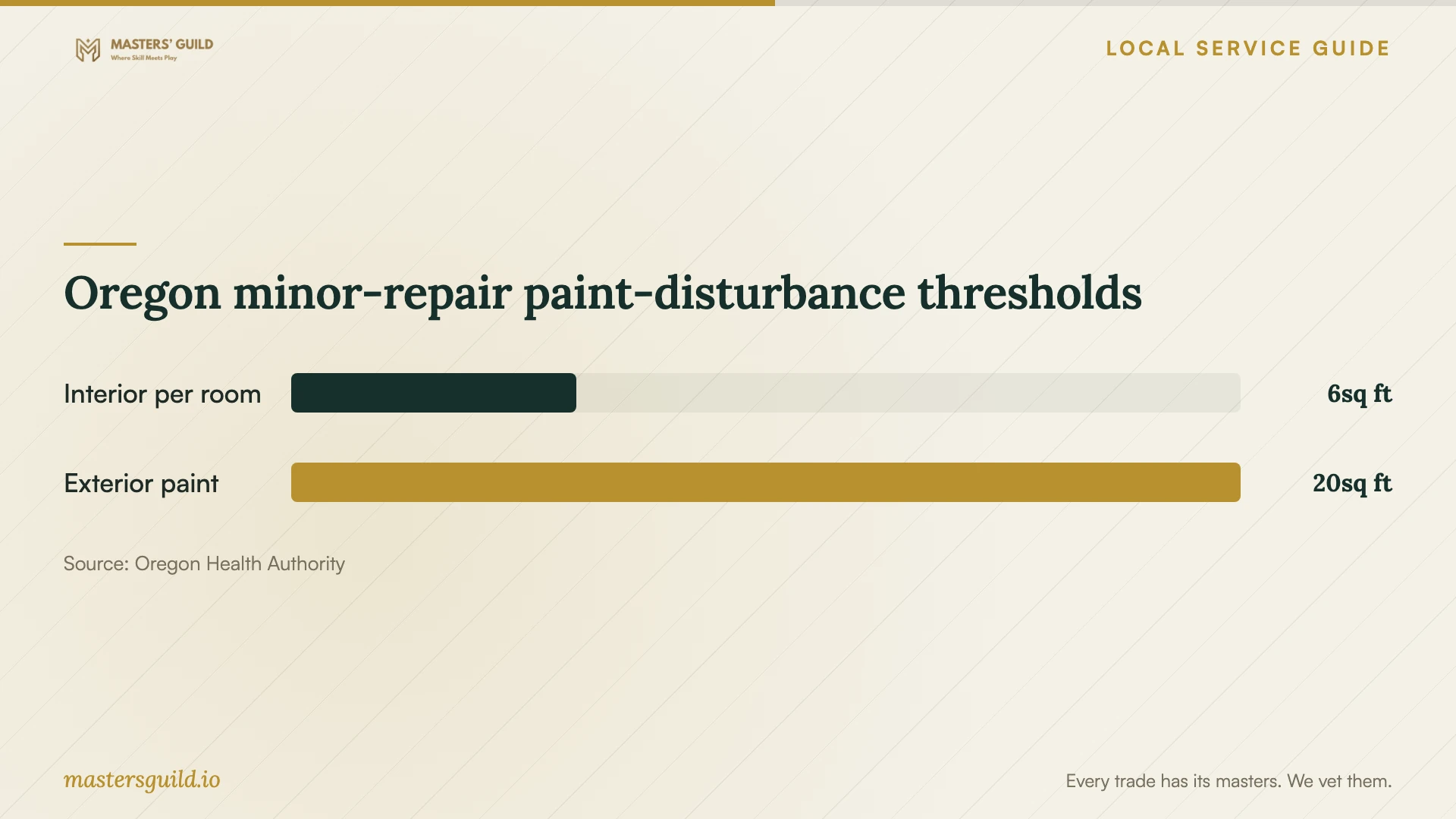
Oregon's renovation guidance requires trained and certified firms and individuals for covered work on pre-1978 homes. CCB-licensed contractors obtain a Lead-Based Paint Renovation license through CCB. Oregon also lists exemptions, including minor repair and maintenance that disrupts less than 6 square feet of paint per room or less than 20 square feet of exterior paint. Ask the contractor to explain whether your full scope falls within an exemption. [3]
Treat those area thresholds as regulatory context, rather than permission to ignore dust. EPA warns that projects creating even a small amount of dust can pose health risks. Ask how the installer will contain debris, clean the work area and keep children away during the work. [4]
Compare complete quotes and agree on handover
Request separate prices for mounting labor, the mount and hardware, cable routing, electrical work, and wall repair. Ask whether the quote includes removal of an existing mount, connection of your devices and disposal of packaging. Compare the total for your chosen scope rather than a starting price.
Before booking, agree on how the installer will handle an unexpected wall condition or an unsuitable mount. Require approval before additional work. At handover, ask the installer to show the completed attachment, operate the mount, test the connected devices and explain how to access the cables. Keep the receipt and any electrical authorization records with the installation details.
Oregon minor-repair paint-disturbance thresholds
Local details that affect your job
Oregon's electrical minor-label route
For a Salem installation that includes electrical work, ask the electrician whether Oregon's minor-label program fits the exact scope. Eligibility depends on the contractor's license, and the state excludes installations requiring a cover inspection. Resolve this before agreeing to concealed electrical work, and ask who will arrange the applicable authorization. [2]
Oregon's lead-renovation credential
If your pre-1978 home needs painted-wall cutting, ask the contractor whether Oregon's renovation rule covers the work. For covered work, CCB-licensed contractors apply to CCB for the Lead-Based Paint Renovation license; firms outside CCB licensing use OHA certification. Request the applicable credential or an explanation of the exemption before approving the wall openings. [3]
Choose the scope before booking
| Your situation | What to request | What to resolve first |
|---|---|---|
| Existing outlet and surface cable route | Mounting, connections and a written cable plan | Attachment method, screen position and finish |
| New outlet behind the screen | Electrical work by a contractor with CCB and appropriate BCD licenses | Who performs the work and which authorization applies |
| Concealed electrical installation | An electrician's assessment of permit or minor-label eligibility | Minor labels exclude work requiring a cover inspection |
| Painted-wall cutting in a pre-1978 home | A lead-safe work discussion and applicable Oregon credential | Whether the full scope falls under the renovation rule or an exemption |
| Proposed fireplace placement | Review of manufacturer instructions and a specific attachment plan | Whether the location suits your equipment and viewing position |
Your hiring checklist
- Record the TV and mount model numbers and photograph the wall and outlet.
- Mark the desired screen position and check it from your usual seat.
- Specify mount movement, connected devices and the intended cable route.
- Identify who will perform electrical work and check their Oregon credentials.
- Ask the electrician to confirm the authorization route before concealed work.
- Share the home's construction year and ask about paint disturbance and cleanup.
- Get an itemized quote with wall repair and additional-work approval terms.
- Agree on device testing, mount operation and records at handover.
Frequently Asked Questions
What should I send an installer for a quote?
Send the TV and mount model numbers, wall photos, outlet location and your preferred screen position. Describe the cable finish and connected devices. Ask for electrical work and wall repair as separate quote items.
Which licenses should I check for a new TV outlet?
Oregon requires electrical contractors to hold a CCB license and the appropriate BCD electrical contractor license. Its minor-label guidance also requires the worker to hold the appropriate individual electrical license. Ask who will perform the work before accepting the quote. [1] [2]
Can an electrician use a minor label for concealed wiring?
Ask the electrician to assess the exact installation. Oregon limits minor-label work by license scope and excludes installations requiring a cover inspection or plan review. The supplied guidance does not establish eligibility for your particular outlet or cable route. [2]
Does drilling in an older home trigger lead-renovation requirements?
Ask the contractor to assess the entire scope. Oregon lists exemptions, including minor repairs below its paint-disturbance thresholds. EPA still warns that small amounts of lead dust can pose health risks, so discuss containment and cleanup even if the contractor identifies an exemption. [3] [4]
Sources and scope
This guide combines the sources below with practical planning guidance. Figures apply to the stated geography and period; request a written quote for your property.