
Local service guide
Pet Sitting and Walking in Raleigh, NC
For Pet Sitting and Walking in Raleigh, choose where your pet will stay, agree on visit times and tasks, and meet the caregiver before booking. If someone will board your dog or cat in their home, verify their current North Carolina boarding kennel license. The state includes home boarding advertised through online pet-service companies in that requirement. [1]
Choose the care arrangement before comparing quotes
Start with your pet’s routine and the hours you will be away. Write down feeding, bathroom breaks, exercise, medication and time with a person. Ask your veterinarian to help set the care schedule if your pet has medical needs. Give each caregiver the same instructions so you can compare offers for the same work.
Define overnight care in writing. Ask when the sitter will arrive, when they will leave, and how long they may be away during the day. For boarding, ask who else lives at the home, which animals will share the space, and how the provider will separate pets during meals or rest.
Check the right credentials for the location of care
North Carolina’s Animal Welfare Section requires a boarding kennel license when a provider boards dogs or cats in their own home. The department includes providers who advertise through online pet-service companies and other online lists. Ask for the licensed facility name and address, then check that they match the place where your pet will stay. [1]
The department directs matters involving in-home pet sitting services to local animal control or the sheriff’s office. Do not treat a boarding license as a substitute for screening someone who will visit your home. Ask about pet-care liability insurance, references, relevant handling experience and the person who will cover an absence. [1]
For boarding, review inspection records alongside your visit to the premises. The department’s instructions explain how to select Veterinary - Animal Welfare in its license search, search by facility name or county, and open attachments under the facility’s details. Ask the provider to explain any concerns you find and describe the changes they made. [2]
Compare the complete booking cost
Request an itemized total for your dates. Include visit length, number of visits, additional pets, medication tasks, holiday charges, travel charges and cancellation terms. Ask whether a walk includes feeding or whether the caregiver will quote those tasks as a separate visit. Avoid choosing from a starting price without the full schedule.
For visits at your home, agree when the paid time begins and how the sitter will report arrival and departure. For boarding, confirm drop-off and pickup windows and the charge for collecting your pet after the agreed time. Put any deposit, refund and extension terms in the booking agreement.
Agree on outdoor care and weather changes
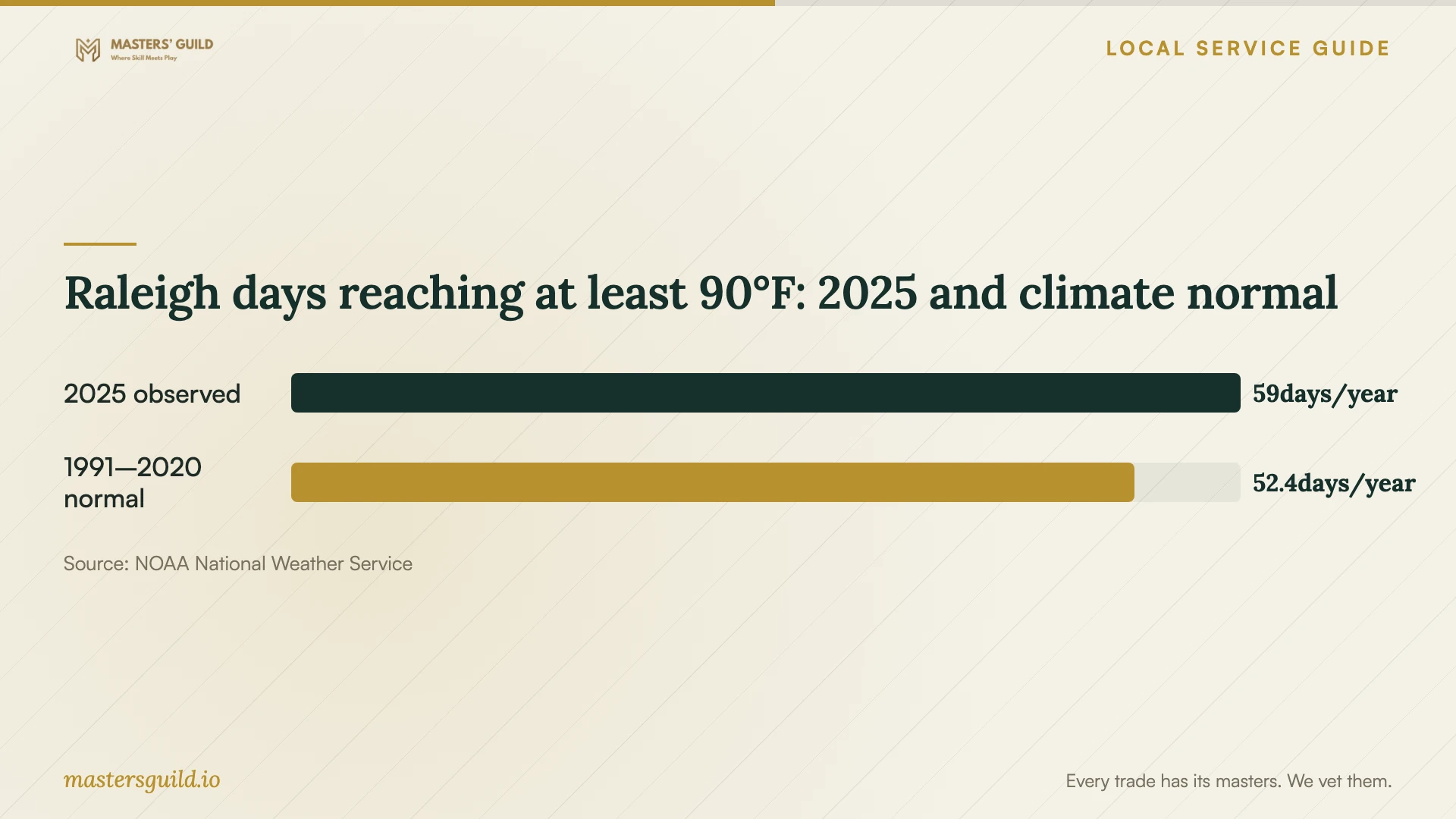
Plan a weather alternative with your walker. In its Raleigh climate summary for 2025, NWS recorded 59 days with maximum temperatures of at least 90°F, compared with a 1991–2020 normal of 52.4 days per year. Ask how the caregiver will adjust the route, timing and outdoor portion of a visit when conditions warrant a change. [3]
Give the walker an approved route and describe pulling, escape attempts and reactions to other dogs. Agree whether they may transport your pet, walk with other clients’ dogs or enter off-leash areas. Ask them to contact you before changing those arrangements. Define what care they should provide at home if they shorten an outdoor walk.
Make the handoff specific
Use the meet-and-greet to demonstrate the harness, locks, feeding routine and medication instructions. Watch the caregiver handle your pet and ask them to repeat the steps. Consider a trial visit before a longer absence. Tell them about hiding places, door-dashing, bite history and situations you avoid.
Leave your veterinarian’s contact information, an emergency contact, treatment authorization and a plan for reaching you. Label food and supplies. Explain home access, alarms and key return. Agree on an update that records food, water, bathroom breaks, medication and any concern, then name the backup caregiver and how you will approve a substitution.
Raleigh days reaching at least 90°F: 2025 and climate normal
Local details that affect your job
A sitter’s home triggers the state boarding-license check
For dog or cat boarding in a provider’s Raleigh home, request a current North Carolina boarding kennel license even if you found the provider through an online listing. NCDA&CS states that Animal Welfare licenses and registrations expire June 30. Check the current expiration rather than relying on an old certificate or profile image. [1]
Use county search to review boarding inspections
Follow the NCDA&CS FAQ instructions: choose Veterinary - Animal Welfare as the license group, choose the license type, then enter the facility name or use the county option in advanced search. For a boarding address in Wake County, select that county. Open details under the facility name and choose attachments to review inspection reports. Match the record to the actual boarding address. [2]
Match the arrangement to the care you need
| Your plan | Arrangement to discuss | Confirm before booking |
|---|---|---|
| A walk while you are away | Scheduled dog walk | Route, handling equipment, arrival window and weather alternative |
| Feeding and care at home | Drop-in visits | Visit tasks, duration, medication instructions and gaps between visits |
| Someone stays in your home | Overnight sitting | Arrival and departure hours, daytime absences and backup coverage |
| Your dog or cat stays at the provider’s home | Home boarding | Current North Carolina boarding kennel license, matching address and inspection attachments |
Your hiring checklist
- Specify the care location, dates, arrival windows and maximum agreed gaps between visits.
- Describe feeding, medication, exercise, behavior and handling instructions.
- For home boarding of dogs or cats, request the current state boarding license and review inspection attachments.
- Meet the caregiver, demonstrate equipment and consider a trial visit.
- Get an itemized total and written cancellation, pickup and extension terms.
- Agree on weather changes, transport permission and contact rules.
- Leave veterinary authorization, emergency contacts, access instructions and an approved backup plan.
Frequently Asked Questions
Does a home boarding provider need a license?
Yes. North Carolina requires a boarding kennel license for providers who board dogs or cats in their homes, including providers advertising through online pet-service companies. Ask for the current license before arranging the stay. [1]
How can I check a boarding provider’s inspection reports?
Use the instructions in the NCDA&CS FAQ. Select Veterinary - Animal Welfare in the license search, choose the license type, and search by facility name or county. Open the facility’s details and choose attachments. Check that the name and address match your booking. [2]
What should an overnight sitting agreement include?
Specify the sitter’s arrival and departure times, permitted daytime absences, feeding and bathroom schedule, medication tasks, updates and backup coverage. Ask the sitter to price that schedule and explain how they will handle a delayed return.
What should I ask about hot-weather walks?
Ask how the walker decides to change the route or shorten outdoor time, what care they will provide indoors, and how they will notify you. Agree on changes suited to your pet with your veterinarian’s input. Do not use a climate average as a safe walking threshold.
Sources and scope
This guide combines the sources below with practical planning guidance. Figures apply to the stated geography and period; request a written quote for your property.