
Local service guide
Bricklaying and Masonry in Indianapolis: Hiring Guide
For Bricklaying and Masonry in Indianapolis, arrange an inspection before choosing repointing, brick replacement or rebuilding. Ask for a written description of the repairs, compatible mortar and a plan for protecting the work during curing. For historic masonry, the National Park Service recommends mortar softer than the masonry. Before arranging construction or excavation near a waterway, check whether Indiana DNR floodway approval applies. [2] [4]
Describe the damage before asking for quotes
Give each bidder the same photographs and repair description. Identify the wall, steps, chimney or other feature. Mark loose joints, peeling brick faces and damp patches. Take photographs from ground level and tell the contractor which areas you cannot inspect without a ladder or scaffold.
Ask the contractor to distinguish mortar replacement from replacement of damaged bricks or stone. The National Park Service describes repointing as replacing mortar. It explains that water-carried salts can produce white surface deposits called efflorescence and contribute to peeling masonry faces, called spalling. [2]
Request separate descriptions of the visible repairs and any investigation the mason recommends. If you see a leaning wall, displaced masonry or loose pieces above a doorway, keep people away and arrange an assessment before approving surface repairs. Ask whether a structural professional should inspect the affected area.
Agree on mortar and a sample repair
For historic masonry, ask how the contractor will choose the mortar's composition and strength. The National Park Service explains that mortar needs to remain softer than the masonry it holds together. It warns that hard modern mortar can damage soft historic masonry. [2]
GSA's historic repointing reference calls for analysis of the original mortar and matching replacement mortar in strength, color, grain size and texture. It also calls for test areas and sample panels before the main repair. This federal preservation reference requires a qualified professional to assess its application to a particular building. [3]
Ask the bidder to describe how the crew will remove old mortar without cutting the brick edges. Agree on a sample location and review the joint shape and appearance after curing. Record who approves the sample and what the crew must change if you reject it. Request photographs or references from comparable restoration work.
Plan for protection after the crew leaves
Ask how long the crew will work on site and how long someone must protect the fresh mortar afterward. GSA's historic repointing reference calls for at least 72 consecutive hours of damp curing. It also addresses cold weather, rain and compliance with the mortar manufacturer's instructions. Have the contractor explain the requirements for your proposed repair. [3]
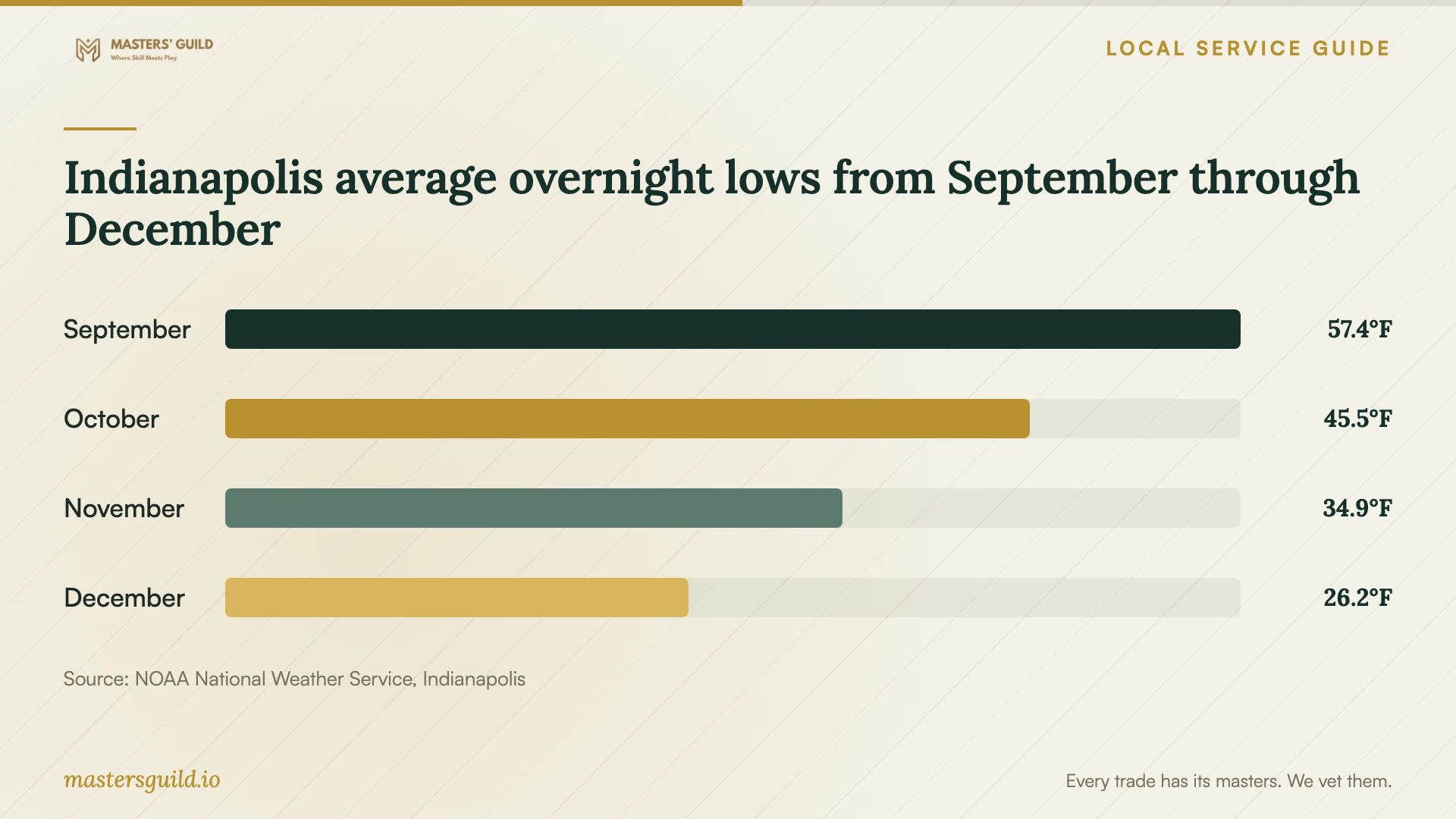
Use the local temperature chart to discuss overnight protection, then ask the mason to check the forecast for the planned work dates. Agree on who maintains coverings and moisture protection, including weekends. Ask whether the price includes those visits and how the contractor will handle postponements. [1] [3]
Compare the same repairs and prepare the property
Request an itemized quote naming the repair locations, quantities, mortar, replacement bricks or stone, access equipment, protection and cleanup. Ask the contractor to list excluded work. If one bidder recommends a larger repair, request photographs and an explanation before comparing totals.
Get prices after an inspection. Ask how the contractor will charge for damage discovered when removing mortar or masonry. Agree on written approval before extra work begins, payment stages and the records you will receive when the job finishes.
Discuss driveway access, equipment placement, plant protection and a safe route to your entrance. Request current insurance documentation and name the person responsible for checking applicable approvals. At completion, request repair photographs, the mortar product or mix record, care instructions and written warranty terms.
Indianapolis average overnight lows from September through December
Local details that affect your job
October work needs an overnight weather decision
The National Weather Service lists October 26 as Indianapolis's average first freeze date. Its 1991–2020 normals give November an average low of 34.9°F. For an autumn booking, ask how the mason will protect the selected mortar overnight. GSA's historic reference addresses cold-weather measures below 40°F and restricts application when surface or air temperatures will not remain above 40°F for at least eight hours afterward. Ask for a plan suited to your materials or agree to postpone. Historical averages do not forecast your repair week. [1] [3]
Check an unmapped waterside site before excavation
Indiana DNR regulates certain structures, obstructions, deposits and excavations within floodways, with exemptions. For a proposed masonry wall or foundation near a waterway, contact DNR's Division of Water before arranging construction. Describe the property, proposed structure and excavation. DNR advises consultation for proposed work in unmapped areas because floodways can exist without mapping. Confirm other approvals with the responsible authorities too; a Flood Control Act exemption does not remove other state, federal or local permitting obligations. [4]
Choose the next step before approving repairs
| Situation | Next step | Question for the contractor |
|---|---|---|
| Deteriorated mortar joints | Request an assessment for repointing. | Which joints need replacement, and how will you protect the masonry edges? |
| Peeling faces or salt deposits | Ask for a moisture assessment alongside the repair proposal. | Which water sources will you investigate? |
| Historic brick or stone | Request a compatible mortar proposal and sample repair. | How will you establish the mix, strength and appearance? |
| Autumn repointing | Agree on forecast checks, protection and postponement terms. | Who maintains curing conditions after the crew leaves? |
| Construction near a waterway | Ask Indiana DNR whether floodway approval applies. | Who will confirm approvals before excavation? |
Your hiring checklist
- Photograph the affected masonry and note dampness or changes you have observed.
- Give bidders the same repair locations and ask them to distinguish joint repair from brick or stone replacement.
- Request a written mortar proposal, removal method and sample approval arrangement.
- Name the person who will check structural concerns and applicable approvals.
- Agree on equipment access, property protection, cleanup and entrance access.
- Record curing responsibilities and weather postponement terms.
- Confirm payment stages, approval of extra work and completion records.
Frequently Asked Questions
Can repointing repair peeling brick faces?
Repointing replaces mortar. The National Park Service describes spalling as damage to the masonry itself. Ask the mason to separate joint repairs from damaged-unit repairs and explain how they will investigate moisture sources. [2]
Should I specify lime mortar for an older house?
Request a compatibility assessment before choosing a mix. GSA's historic masonry reference calls for lime-based historic mortars and analysis of the original material. A qualified preservation professional should assess how that guidance applies to your building. [3]
Can I book repairs in late fall?
Ask the mason to review the forecast, material requirements and protection arrangements. Indianapolis's average first freeze date is October 26, but that historical date cannot establish conditions for your workday. Agree on postponement terms before booking. [1] [3]
Does every retaining wall require an Indiana DNR permit?
The cited DNR guidance addresses regulated waterway and floodway activities and includes exemptions. It does not establish a permit requirement for every retaining wall. Ask DNR about your location and proposed work, then check other applicable approvals with the responsible authority. [4]
Sources and scope
This guide combines the sources below with practical planning guidance. Figures apply to the stated geography and period; request a written quote for your property.