
Local service guide
Wall Painting in Garland, TX: Hiring and Prep
Arrange Wall Painting in Garland by asking painters to inspect the walls and quote the same written scope: repairs, preparation, paint products, coats, furniture protection and cleanup. Before anyone sands or scrapes a home built before 1978, ask whether EPA lead-safe renovation requirements apply and request the relevant firm and renovator credentials. Agree who will handle leftover paint before work starts. [2] [3]
Give painters a scope they can price
Walk through each room with the painter. Point out holes, peeling areas, stains and cracks you want addressed. Ask the painter to describe the proposed repair for each area, including any texture matching and primer. Photograph the agreed repairs so you can check the finished work against the same list.
Name the surfaces in the quote: walls, ceilings, baseboards, doors, closets and window trim. Ask for the paint manufacturer, product line, color, sheen and planned coats. Have the painter explain how they will handle additional coats or repairs discovered during preparation, and require your approval before extra work.
Ask for a total based on that scope, with materials, protection, cleanup and any exclusions stated. Have each painter inspect the walls before finalizing the price, then compare offers against the same written scope. Discuss differences in proposed repairs or products before choosing.
Settle lead-safe preparation before sanding
Check the construction year before agreeing to paint preparation. EPA’s Renovation, Repair and Painting rule generally covers paid work that disturbs painted surfaces in housing built before 1978, including painting preparation. For covered work, request the firm’s EPA certification and the assigned renovator’s training certificate before the crew begins. [2] [3]
EPA exempts minor interior repair and maintenance that disturbs six square feet or less of paint per room, subject to exceptions. Window replacement and demolition of painted surfaces remain covered regardless of area. Ask the contractor to explain how the planned preparation fits the rule before accepting an exemption. [3]
EPA does not require paint testing before renovation. Without documentation that the affected paint is not lead-based, the applicable RRP requirements apply. If you choose testing, ask who will perform it, which surfaces they will test and what documentation you will receive. [3]
Choose products and arrange room access
Ask the painter to show you the proposed finish in the room’s daylight and evening lighting. Discuss how you plan to clean the walls, and request the product’s care instructions. Approve the color and sheen before the crew buys the full order.
Agree who will move furniture, remove wall hangings and protect floors. Tell the painter which rooms you need to use during the project. Ask for a room sequence, daily access arrangements and a ventilation plan based on the chosen product’s instructions. Keep children and pets away from the work area as part of that plan.
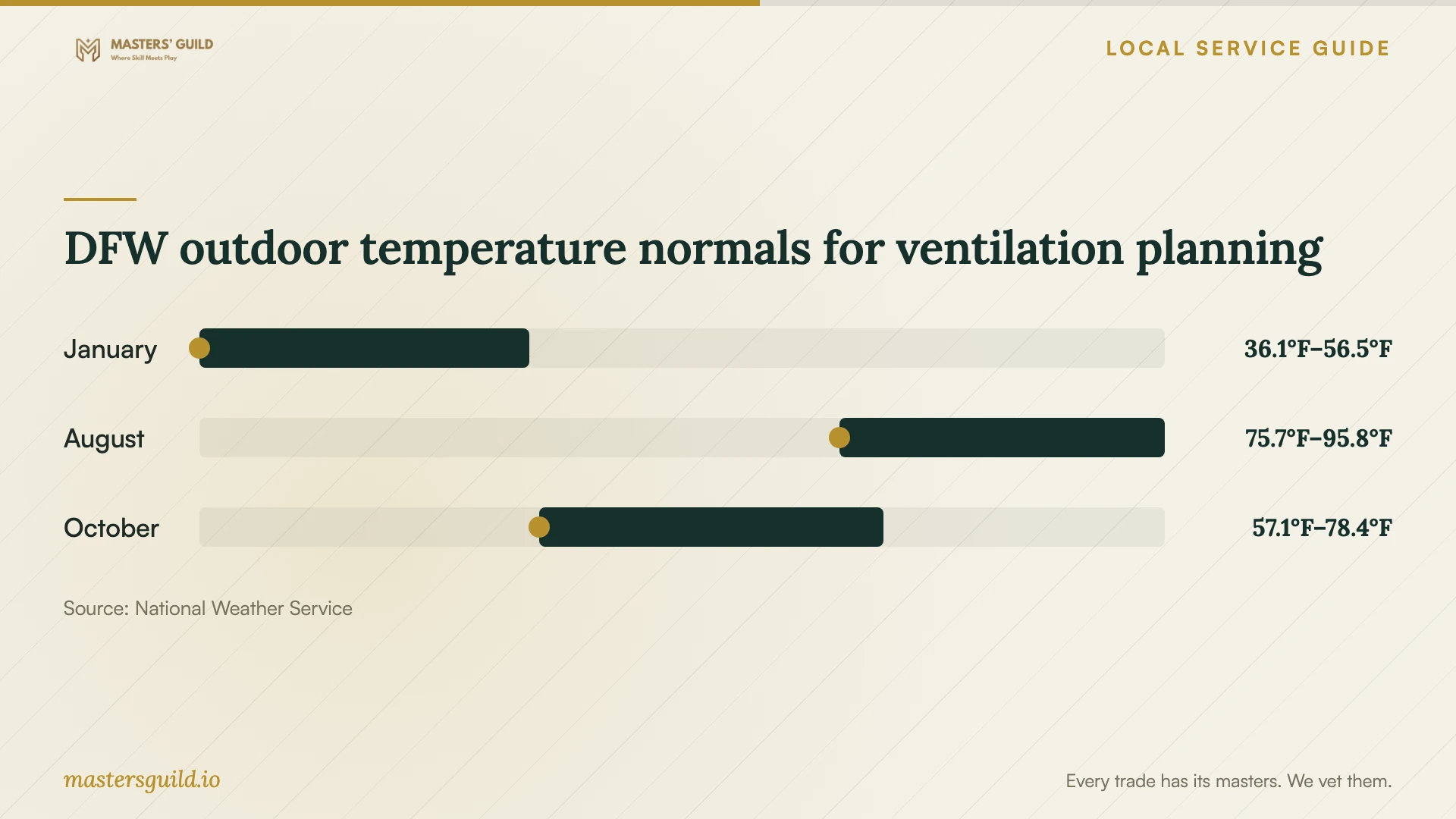
Use regional weather as a planning prompt. National Weather Service normals for Dallas/Fort Worth list an August high of 95.8°F and a January low of 36.1°F. Ask how the painter will manage ventilation and indoor conditions during hot or cold weather, and follow the paint manufacturer’s application instructions when scheduling the work. [4]
Agree on cleanup and inspect the finish
Write down who will remove masking, collect debris, return furniture and handle unused products. Ask the painter to leave labeled touch-up paint and a record of the product, color and sheen. Specify which leftovers you will keep and which materials the contractor will take away.
Garland’s household hazardous waste guidance lists paints, stains and paint removers among products residents should take to the Dallas County Home Chemical Collection Center. The city also instructs residents to keep original containers and labels, secure lids and avoid pouring waste on the ground, into storm sewers or down sinks. [1]
Inspect the rooms with the painter under the lighting you use at home. Check the agreed repairs, coverage, edges and cleanup. Record touch-ups together and agree when the painter will complete them. Ask when you can move furniture against the walls and begin cleaning the finish under the product’s instructions.
DFW outdoor temperature normals for ventilation planning
Local details that affect your job
Plan household paint disposal through Garland’s listed facility
Garland directs residents with household paints and stains to the Dallas County Home Chemical Collection Center at 11234 Plano Road, Dallas, TX 75243. Before assigning disposal to yourself, check current operating hours and acceptance arrangements with the center. If the painter proposes using this household route for contractor-generated waste, have them confirm eligibility before agreeing to that plan. [1]
Use the correct lead credentials in Texas
Texas DSHS states that EPA administers the renovation rule in Texas, while DSHS certifies professionals conducting regulated lead inspections, risk assessments and abatement. For painting preparation, ask about EPA renovation credentials. For a formal lead inspection or hazard assessment, request the appropriate DSHS credentials and written report. DSHS does not accept chemical swab kits for formal inspections under Texas lead rules, although EPA permits certified renovators to use EPA-recognized kits for renovation testing. [2] [3]
Match the next step to your walls
| Situation | Next step | Ask before agreeing |
|---|---|---|
| You want a color change | Request a wall inspection and a written painting scope. | Which repairs, primer and coats have you included? |
| Preparation will disturb paint in a pre-1978 home | Ask the contractor to establish whether EPA RRP requirements apply. | Can I see the firm certification and renovator credentials? |
| You want a formal lead inspection | Request an appropriately DSHS-certified inspector or risk assessor. | Which surfaces will you inspect, and will I receive a written report? |
| You will keep or dispose of household leftovers | Separate touch-up paint from unwanted products and check the city-listed collection route. | Who will confirm acceptance and transport the unwanted paint? |
Your hiring checklist
- List rooms, surfaces and repairs, with photos of areas requiring attention.
- Check the home’s construction year before approving sanding or scraping.
- Request applicable lead credentials before covered preparation work.
- Approve the paint product, color, sheen and planned coats in writing.
- Agree on furniture moving, floor protection, ventilation and room access.
- Require approval for added repairs or coats before extra work begins.
- Assign leftover-paint handling and record final touch-ups with the painter.
Frequently Asked Questions
Do I need lead testing before repainting an older home?
EPA does not require testing before renovation. For covered work in pre-1978 housing, applicable RRP requirements apply unless you have documentation that the affected paint is not lead-based. Ask the contractor to explain the preparation scope and any exemption they propose using. [3]
Does an EPA renovation certificate cover formal lead inspection?
For a formal inspection under Texas lead rules, DSHS requires a certified Lead Inspector or Lead Risk Assessor. EPA allows certified renovators to perform certain renovation-related testing, but those permissions serve a different purpose. Tell the professional whether you need preparation planning or a formal inspection report. [2] [3]
Where should I take unwanted household paint?
Garland lists the Dallas County Home Chemical Collection Center at 11234 Plano Road in Dallas for household paints and stains. Check current hours and acceptance arrangements before traveling. Keep products in their original labeled containers with lids secured. [1]
How should I compare painting quotes?
Give each painter the same room and surface list. Compare repairs, preparation, paint products, planned coats, protection and cleanup. Ask each painter to identify exclusions and explain how you would approve extra charges. Request a work sequence that fits your household’s access needs.
Sources and scope
This guide combines the sources below with practical planning guidance. Figures apply to the stated geography and period; request a written quote for your property.