
Local service guide
Plan carpet cleaning in Garland: Quotes and Care
For carpet cleaning in Garland, compare written estimates covering the same rooms, stairs, treatments, furniture handling, and applicable tax. Settle the method, access, and drying arrangements before booking. For soaked carpet, arrange an extraction and drying assessment: Garland advises prioritizing extraction and says workers may need to lift carpet and remove wet padding. [2]
Compare estimates for the same work
Give each cleaner a room list, approximate dimensions, stairs, visible spots, and odor concerns. Include photos and explain which furniture needs moving. Have the company define its room allowance and identify charges for hallways, landings, access, or a minimum visit. Compare the final total after selecting the work you want.
Separate base cleaning from optional stain work, odor treatment, and protector. For each extra, discuss the expected improvement, limits, and price before authorizing it. Describe previous spot treatments and share any manufacturer care instructions so the cleaner can assess the proposed method.
The Texas Comptroller generally treats residential carpet cleaning, protective chemical applications, and odor-control chemical applications as taxable. Its guidance also provides a natural-disaster exemption for qualifying work. Have the cleaner identify applicable tax in the estimate; for disaster recovery, review the eligibility and billing requirements below. [3]
Arrange access and time to dry
Discuss working time and drying time as separate parts of the appointment. Explain whether you need access to bedrooms or stairs, have pets to contain, or face a move-out deadline. Get instructions for walking on the carpet, replacing furniture, and returning rugs or coverings.
Agree on parking, entry, the equipment route, and any water or power access the crew needs. Divide furniture moving between you and the cleaner before arrival. Clear personal belongings and breakables, then walk through together to identify stains, loose seams, and existing damage.
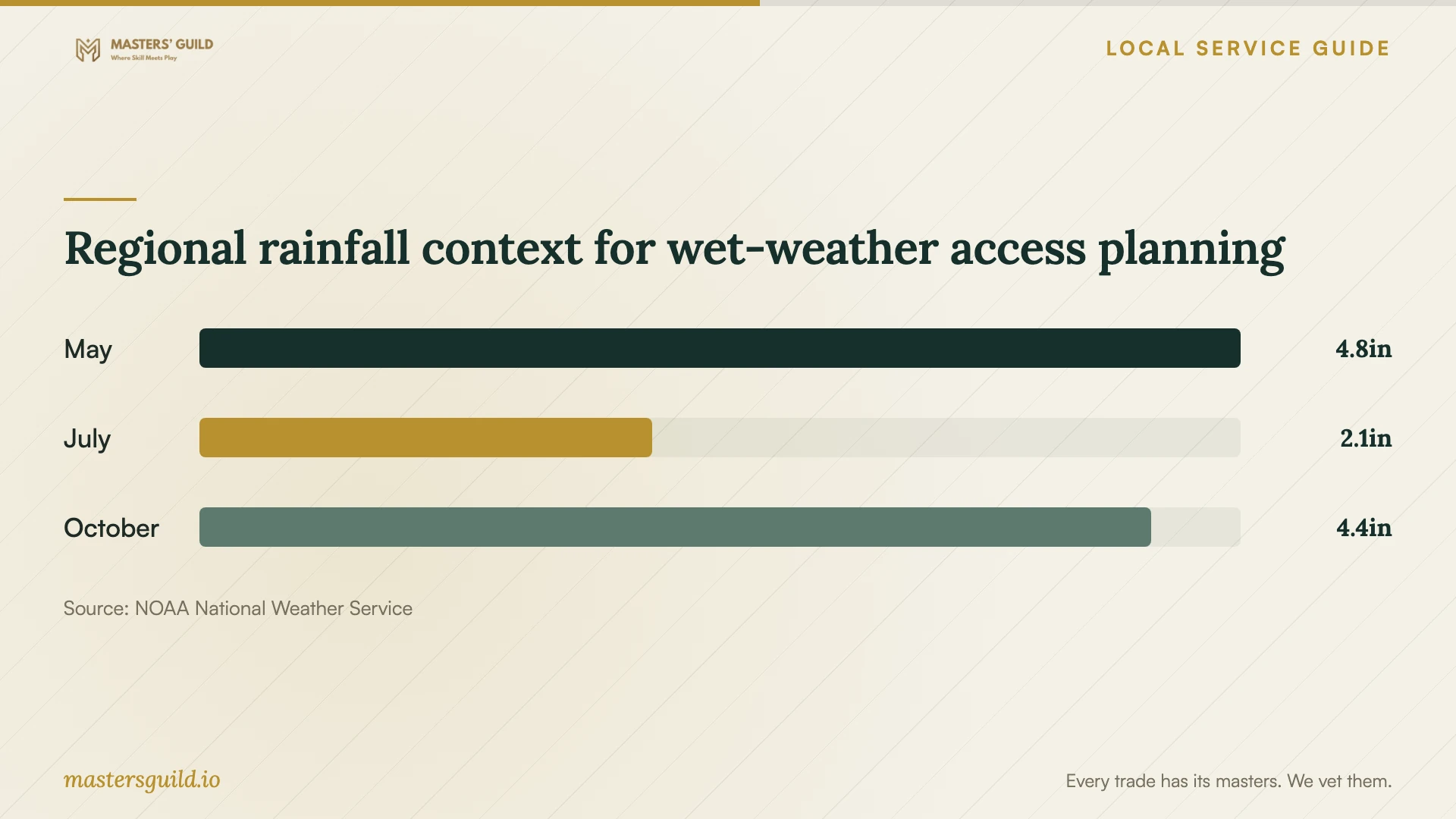
Include a wet-weather entry plan. The National Weather Service reports a Dallas/Fort Worth October precipitation normal of 4.37 inches for 1991–2020. That regional average does not predict your appointment's weather or drying time. Use the chart as a prompt to discuss equipment access and footwear if rain affects entry. [4]
Give water damage its own assessment
Tell the provider where the water came from, when you noticed it, and which areas feel wet. Garland's emergency guidance prioritizes extraction and says workers may need to lift carpet and remove wet padding. Choose an appointment that includes assessment beneath the carpet and a plan for the required drying work. [2]
For billing, distinguish residential water extraction and carpet repairs, which the Comptroller lists as nontaxable, from cleaning, deodorizing, chemical treatment, and ruined carpet or pad removal, which it generally lists as taxable. Have the provider separate distinct taxable and nontaxable services at the time of billing, subject to any qualifying disaster exemption. [3]
For property damaged in a natural disaster, the Comptroller describes an exemption for qualifying carpet-cleaning and restoration labor when the Governor or President declares the area a disaster area. The provider must bill labor apart from materials, and the customer must complete an exemption certificate stating that the disaster damaged the property. Materials remain taxable, and the exemption does not cover waste removal. Confirm eligibility and documentation with the Comptroller before relying on this exception. [3]
Review the work before handover
At the end of the visit, inspect the agreed areas with the cleaner. Compare completed work with the estimate and discuss any unresolved spots. Keep the itemized invoice, care instructions, and contact details for reporting concerns.
Before the crew leaves, establish what to do if carpet remains damp beyond its drying estimate. For water-damage work, have the provider explain how it assessed moisture beneath the carpet and what follow-up remains.
Regional rainfall context for wet-weather access planning
Local details that affect your job
Check disposal before the crew sets up
Garland operates separate sanitary sewer and stormwater systems. The city treats sanitary wastewater at a treatment plant; stormwater travels through street inlets and channels to waterways untreated. Have the cleaner explain how it collects used cleaning water and establish the permitted disposal destination. If the crew proposes a street inlet, pause setup and seek guidance from Garland's Stormwater Hotline at 972-205-2180. The city's FAQ does not authorize a carpet-cleaning discharge. [1]
Book for wet padding as well as the surface
Garland warns that carpet and padding can suffer permanent damage, including mold and mildew, if they do not dry. For soaked flooring, describe the condition when arranging service and verify that the provider can assess the padding and handle extraction and drying. The city's guidance changes the scope you should discuss before accepting a routine cleaning appointment. [2]
Choose the appointment scope
| Your situation | Service to discuss | Billing or scope check |
|---|---|---|
| Routine cleaning | Rooms, stairs, spots, and furniture handling | Cleaning is generally taxable; qualifying natural-disaster work may be exempt. |
| Odor treatment or protector | Proposed chemicals, expected improvement, and separate price | These treatments are generally taxable; confirm whether any disaster exemption applies. |
| Soaked carpet | Extraction and assessment beneath the carpet | Garland says workers may need to lift carpet and remove wet padding. |
| Extraction plus cleaning after a disaster | Separate extraction, cleaning labor, materials, and disposal charges | Residential extraction is nontaxable. Confirm disaster eligibility for cleaning labor; materials and waste removal remain taxable. |
Your hiring checklist
- Send each cleaner the same room list, dimensions, stairs, and problem photos.
- Disclose leaks, flooding, pet accidents, and earlier spot treatments.
- Keep a written scope with selected extras and the total including applicable tax.
- Clear the agreed furniture and equipment route before arrival.
- Establish the used-water collection and disposal plan before setup.
- Keep the invoice, drying instructions, and follow-up contact together.
Frequently Asked Questions
How much should I budget?
Obtain a written estimate for your rooms, stairs, furniture requirements, and treatment concerns. Have the cleaner identify its minimum charge and price optional work apart from the base service. Use the total including applicable tax to compare offers.
Does Texas tax residential carpet cleaning?
Generally, yes. The Comptroller lists residential carpet cleaning as taxable and residential water extraction and carpet repairs as nontaxable. Qualifying natural-disaster cleaning labor may be exempt with the required declaration, separate labor and materials billing, and exemption certificate. Materials and waste removal remain taxable. Confirm disaster eligibility and documentation with the Comptroller. [3]
Can a cleaner promise to remove a stain before visiting?
Discuss the stain's cause, age, and previous treatment before accepting a promise. Have the cleaner explain what it can assess from photos, what requires inspection, and whether you can decline extra treatment after hearing the price and expected result.
Sources and scope
This guide combines the sources below with practical planning guidance. Figures apply to the stated geography and period; request a written quote for your property.