
Local service guide
Branding and Marketing Strategy in Edmonton
Arrange Branding and Marketing Strategy in Edmonton by defining your business problem before requesting proposals: who you want to reach, what you want them to buy and how you will measure progress. Request a written scope covering research, positioning, messaging and implementation responsibilities. For a storefront rebrand, assign sign-permit coordination before agreeing to a launch date; the City requires permits before sign installation, subject to its stated exemptions. [1]
Choose the scope around your business problem
Write a short brief describing your offer, intended customer and the decision you need help making. For a new business, request positioning and a launch plan. For an established business with inconsistent materials, consider messaging and identity guidelines. If your goal is more enquiries, have the provider review your existing marketing and recommend a channel plan before you commit to a rebrand.
Define what you expect to receive. Your scope might include customer interviews, a competitor review, a positioning statement, message examples and a plan your staff can implement. Specify whether you need a logo, website copy, signage artwork or campaign execution. Have the provider explain how each deliverable addresses the problem in your brief.
Request local research you can use
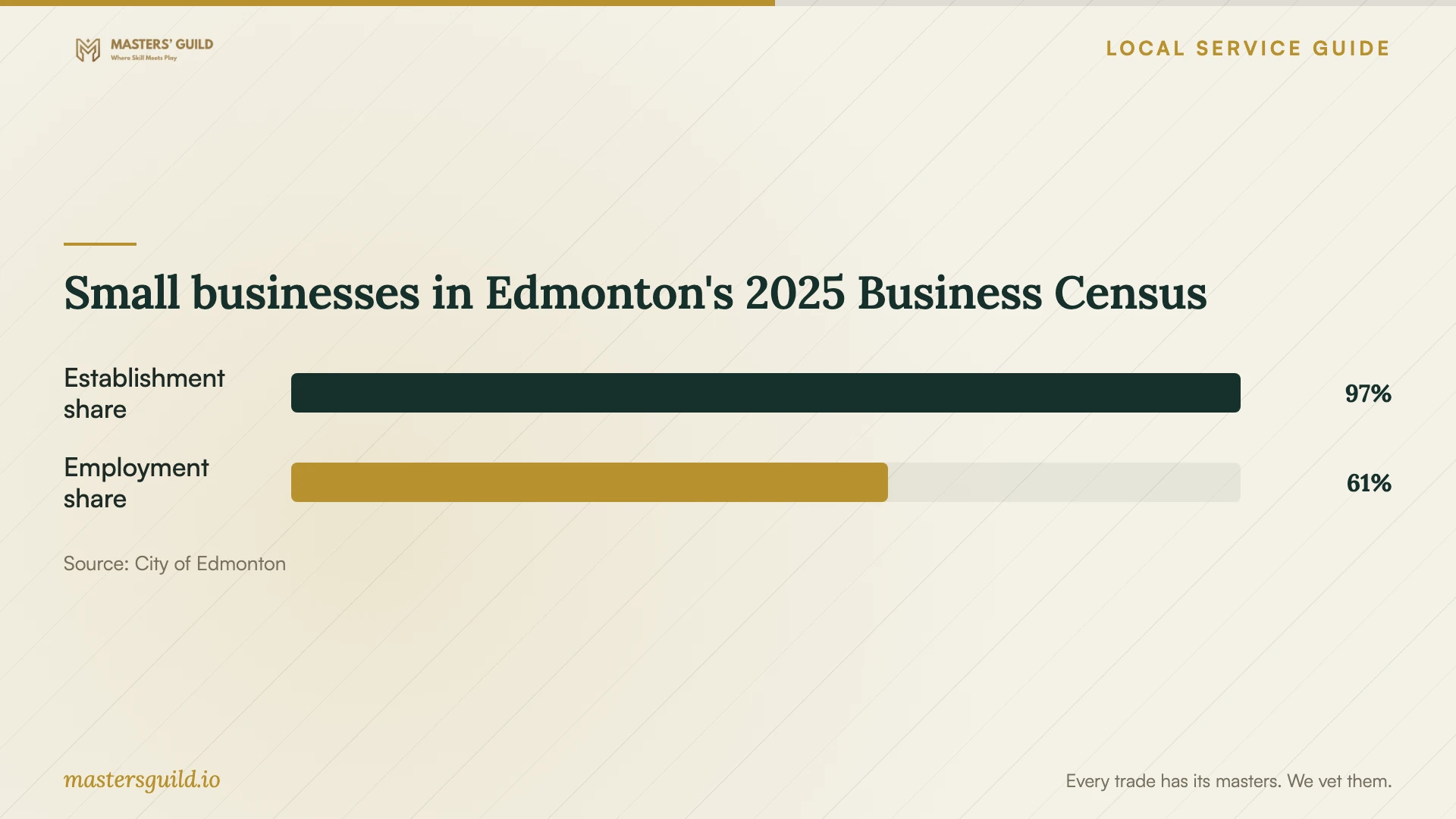
The City publishes Business Census findings and neighbourhood-level aggregation, including job counts. It also provides BIA maps and access to business and patron metrics, including vacancy rates, survey results and demographic information. Have your strategist identify which geography fits your customer base and explain which questions they would investigate using these resources. [2] [4]
For a walk-in shop, request research into your commercial district and customer interviews about reasons for visiting. For a business serving clients across the region, define the service area in the brief and request evidence covering that area. Keep citywide business statistics separate from conclusions about your customers. Use your sales records and interviews to test the proposed positioning.
Compare quotes and assess the project team
Give providers the same brief and request itemized proposals. Separate research and strategy, identity design, copywriting, implementation support and ongoing marketing. Require each provider to identify exclusions, revision allowances, payment milestones and the approval process for extra work. Set separate budgets for professional fees, production and advertising.
Find out who will conduct interviews, write the strategy and handle implementation. Request a relevant work sample and discuss the original problem, the reasoning behind the recommendations and the owner's role in delivery. Put ownership and handover terms in writing, covering editable files, account access, licensed fonts and other third-party assets.
Plan the storefront rollout before fabrication
Edmonton regulates permanent signs on private property and requires sign permits except for exemptions identified in its Zoning Bylaw. The City tells applicants to check their property's zone, applicable plans and overlays. It also requires an electrical permit for signs with an electrical connection. Have your designer and sign installer review the proposed sign against these requirements before you approve production. [1]
Name the person responsible for permit documents, landlord coordination, fabrication approval and installation. The City checks application completeness before assigning a Development Planner to review the proposal against the Zoning Bylaw. Build your launch schedule around permit approval and supplier commitments. Confirm who will handle changes if the proposed sign needs revision. [1]
Require a handover your team can implement
Request a rollout plan that assigns an owner to each task: updating customer-facing materials, briefing staff, replacing signage and launching marketing activity. Include examples that show your team how to apply the messaging. Choose a business measure, such as qualified enquiries or booked appointments, and agree how you will record the starting point and review progress.
The City's Shop Local page offers a 2026 deals-directory registration route and a campaign media kit. It also points owners toward BIA directories and promotions. Have the strategist assess whether those resources fit your offer, confirm participation requirements and include selected activity in the implementation scope. [3]
Small businesses in Edmonton's 2025 Business Census
Local details that affect your job
Check district guidance and projecting-sign approvals
The City directs businesses installing signs in the Old Strathcona Historical Commercial District to its district signage guide. Signs extending into or above City property, easements or rights-of-way may require an encroachment agreement and additional fees. If your rebrand includes a projecting sign, have the installer check its position and identify required approvals before you approve the design. [1]
Confirm your BIA boundary before planning promotion
The City publishes maps and association contacts for Edmonton's Business Improvement Areas. Its BIA dashboard includes business and patron information. Check whether your premises fall within a BIA, then consult the relevant association about promotion opportunities and available district research before committing your marketing budget. [2]
Review municipal campaign resources before commissioning assets
The City's Shop Local page provides a deals-directory registration route, media kit and poster. Have your provider review these materials and confirm participation requirements before you commission separate assets for a local-shopping campaign. [3]
Match the proposal to the work you need
| Your situation | Scope to request | Question before signing |
|---|---|---|
| Launching a business | Customer research, positioning and launch plan | How will you test the proposed message with intended customers? |
| Inconsistent brand materials | Messaging, visual identity and usage guidance | Which materials will you update and which files will you hand over? |
| Unclear marketing priorities | Marketing audit and channel plan | How will you connect spending to a measurable business goal? |
| Changing storefront signage | Identity design plus installer and permit coordination | Who will check zoning, exemptions and electrical permit needs? |
| Planning district promotion | Local research and BIA coordination | Will you check the BIA boundary and relevant promotion opportunities? |
Your hiring checklist
- Describe the business problem, intended customer and desired action in a short brief.
- Gather sales information, existing brand files and examples of customer questions.
- Request separate prices for strategy, design, implementation and ongoing work.
- Identify the project lead and agree on review stages and revision allowances.
- Assign responsibility for signage review, permit coordination and installer communication.
- Specify ownership, editable-file delivery, account access and asset licences.
- Agree on rollout responsibilities and a business measure for reviewing progress.
Frequently Asked Questions
Should I request a logo or a full strategy?
Start with the decision you need help making. If you have agreed on your audience, offer and message, request design against that brief. If those decisions remain unresolved, request research and positioning before approving an identity.
How should I compare costs?
Use itemized written quotes for the same scope to set your budget. Require providers to separate professional fees from production, advertising and ongoing support. Confirm revision allowances, payment milestones and what triggers extra charges before signing.
Does a storefront rebrand need a sign permit?
Edmonton requires permits for signs on private property except for specified Zoning Bylaw exemptions. Signs with an electrical connection also require an electrical permit. Have the installer check your specific sign and obtain required permits before installation. [1]
Can the strategist use City research instead of customer interviews?
Use City research to frame questions, then interview customers to test assumptions about your offer. The Business Census provides business and employment context, while BIA resources include district business and patron metrics. Require the strategist to explain the geographic scope and limits of any data they use. [2] [4]
Sources and scope
This guide combines the sources below with practical planning guidance. Figures apply to the stated geography and period; request a written quote for your property.