
Local service guide
Tax Preparation and Accounting in Columbia, SC
For Tax Preparation and Accounting in Columbia, choose a preparer who can explain your federal and South Carolina filing scope, quote bookkeeping cleanup separately, and assign responsibility for city business-license reporting. Ask for the paid preparer’s PTIN and verify any claimed CPA credential. Before hiring, agree on deliverables, document deadlines, fees, and support after filing. [1] [3] [4]
Choose the service before comparing preparers
Describe the business, its ownership, and the records you have before requesting a quote. Ask the provider to name the returns they will prepare and whether the engagement includes your individual return, business return, South Carolina filing, or other states. For a tax notice, give the provider the notice and ask whether responding falls within the proposed work.
For ongoing accounting, specify which accounts the provider will reconcile, which reports you want, and who will review unresolved transactions. Ask whether payroll, estimated-payment planning, and local revenue reporting require separate engagements. Keep responsibility for supplying records and approving filings explicit.
South Carolina’s Board of Accountancy distinguishes tax preparation from regulated accountancy services. Its guidance permits non-licensees to prepare tax returns and financial statements without issuing reports, but restricts use of the CPA title and services such as attest or compilation work. If a lender requests financial statements, send the lender’s exact requirements to the provider before hiring. [4]
Verify credentials and agree on fees
SCDOR says all paid tax return preparers must have a PTIN. Ask for the name of the person who will prepare and sign your return. For someone advertising as a CPA, check license status through the Board of Accountancy’s lookup resources and ask which person will supervise your work. [3] [4]
Request quotes based on the same records and filing scope. Get a written fee breakdown for preparation, additional returns, cleanup, amendments, and notice responses. Ask what triggers an extra charge and whether the provider will seek your approval first. Give each provider the same description of missing records and unresolved transactions.
SCDOR advises avoiding preparers who charge a percentage of your refund or claim they can obtain larger refunds than other preparers. It also recommends choosing someone you can contact after filing. Ask who handles follow-up questions and what that support costs. [3]
Prepare records that connect the books to the returns
Before the first meeting, gather prior returns, income forms, bank and credit-card statements, payroll records, expense receipts, and records of equipment purchases or sales. Include loan statements and identify transfers between your own accounts. Ask the accountant for a document list tailored to your business rather than guessing which records matter.
Keep a separate list of unresolved items: missing statements, unexplained deposits, personal purchases through the business, or revenue from multiple jurisdictions. For city-license work, ask the accountant to document how the reported gross-income figure connects to your federal business return and any Columbia-only revenue allocation. [1]
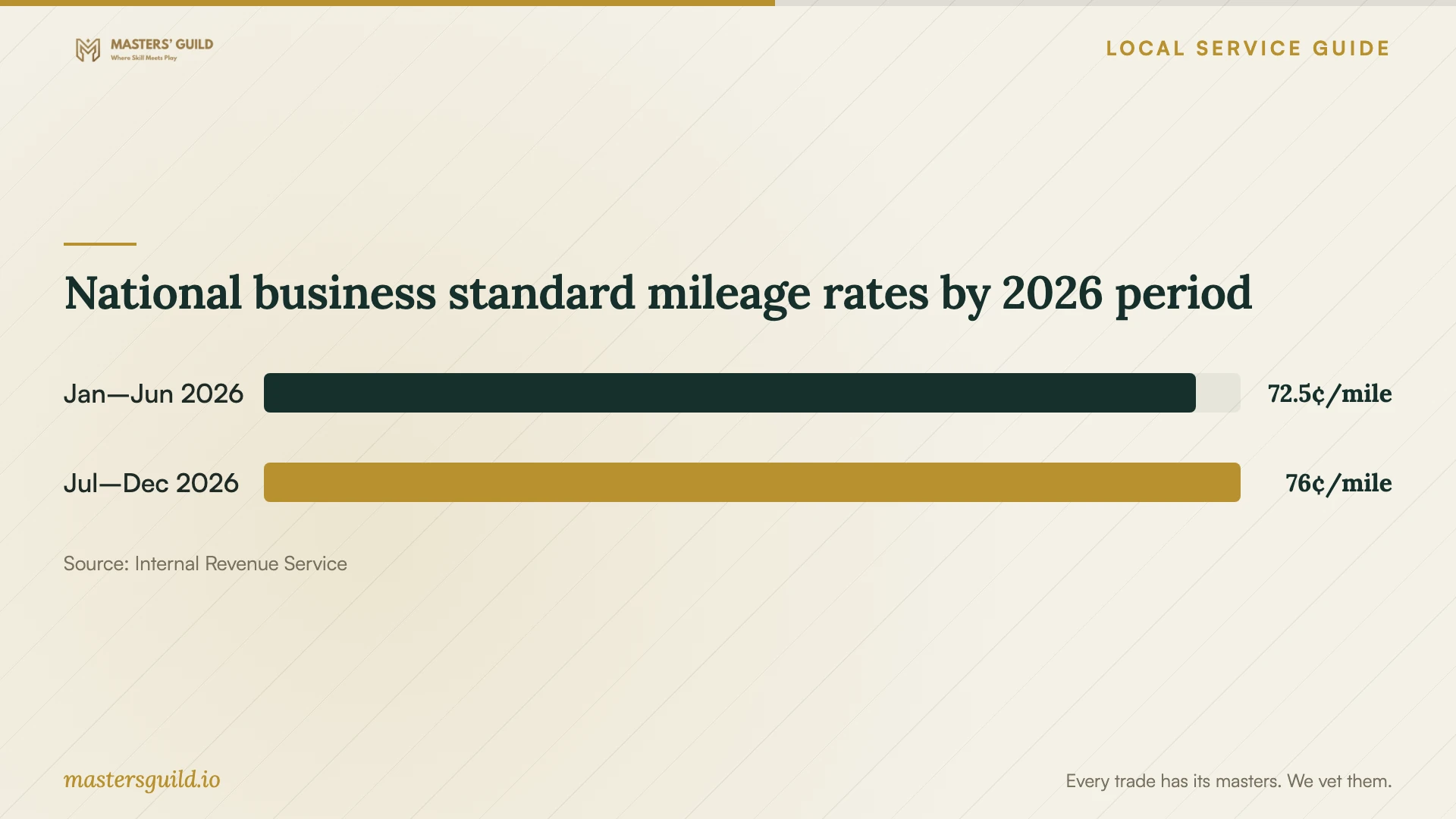
For business driving, preserve trip dates and ask the preparer to review deduction eligibility and the mileage method. The IRS publishes different 2026 business mileage rates for January through June and July through December. Give the preparer dated records so they can distinguish mileage from each period. [5]
Review the return and plan the next filing
Review the complete return before signing. SCDOR advises against signing a blank return and warns about preparers who refuse to sign their work. Check your refund routing and account numbers, ask about figures you do not recognize, and retain the completed return. [3]
For 2026 planning, ask the preparer to explain South Carolina’s move from federal taxable income to federal adjusted gross income as the starting point for individual income tax. SCDOR also describes a new South Carolina Income Adjusted Deduction that depends on filing status and may decrease based on federal AGI. Ask for a state calculation tailored to your situation before deciding on payment amounts. [3]
Close the engagement with a written list of remaining tasks. Identify who submits each filing, who makes each payment, and who keeps confirmation records. If the provider prepares a city renewal but expects you to submit it, put that handoff on your calendar.
National business standard mileage rates by 2026 period
Local details that affect your job
City limits change the revenue-reporting scope
Columbia requires a business license for business activity conducted in whole or in part within city limits. Its FAQ says businesses located outside the city must report gross income generated from business conducted inside the city. Tell your accountant where you perform work and ask for a documented revenue allocation. A Columbia license covers only the issuing jurisdiction, so ask other jurisdictions about their requirements when you conduct business there. [1]
Assign the city renewal before the deadline
Columbia states that business licenses expire April 30 and assesses a 5% late penalty after that date, with another 5% each month thereafter until payment. It also says out-of-city businesses must renew before conducting business in the new calendar year. Ask your accountant which timing applies to your business and whether renewal preparation and submission are included. The city recommends online renewal during peak processing periods. [2]
Keep the current state filing deadline separate
As of October 13, 2026, SCDOR states that it extended the filing due date for all 2025 South Carolina individual income tax returns to October 15, 2026. If yours remains unfinished, confirm the filing plan with your preparer now. That announcement concerns state individual returns; it does not establish a federal deadline or a deadline for business-entity returns. [3]
Match the engagement to the work
| Your situation | Request | Clarify before hiring |
|---|---|---|
| Organized books and defined filing needs | Return preparation | Which federal, state, business, and individual returns the quote includes |
| Missing records or unexplained transactions | Bookkeeping cleanup followed by preparation | Cleanup scope, approval of adjustments, and additional fees |
| Work inside and outside city limits | Columbia revenue reconciliation | How the provider identifies city-generated gross income |
| Lender requests financial statements | Review of the lender’s exact requirements | Whether regulated attest or compilation services are required |
| Ongoing business income and planning needs | Recurring accounting and tax planning | Reporting frequency and a separate 2026 South Carolina individual-income calculation |
Your hiring checklist
- Describe your business structure, income sources, and requested filings.
- Ask for the preparer’s PTIN and verify any advertised CPA credential.
- Request separate prices for cleanup, preparation, ongoing accounting, and follow-up work.
- Agree on a secure document-transfer method and a missing-records deadline.
- Identify work performed inside Columbia for local revenue reporting.
- Assign responsibility for filing, payments, city renewal, and confirmations.
- Review the completed return and bank details before signing.
Frequently Asked Questions
Do I need a CPA to prepare my business taxes?
South Carolina allows non-licensees to prepare tax returns. Paid preparers must have a PTIN, according to SCDOR. Choose based on the work you need, verify any claimed CPA credential, and ask about experience with your business structure and state filings. [3] [4]
Does tax preparation include Columbia business-license renewal?
Ask the provider to include it in writing. The city requires its own renewal and gross-income reporting. Agree on whether the accountant calculates the revenue figure, prepares the renewal, submits it, or leaves submission and payment to you. [1] [2]
Can I compare providers using the refund they promise?
SCDOR advises avoiding preparers who promise larger refunds than others or charge a percentage of the refund. Compare their proposed scope, fee terms, credential status, and availability after filing. [3]
What should I ask about South Carolina’s 2026 changes?
For your individual return, ask how the preparer will calculate state income from federal AGI and apply the South Carolina Income Adjusted Deduction. Give them your filing status and projected income so they can explain the calculation for your circumstances. [3]
Sources and scope
This guide combines the sources below with practical planning guidance. Figures apply to the stated geography and period; request a written quote for your property.