
Local service guide
Basement Remodeling in Chula Vista, CA
Arrange Basement Remodeling in Chula Vista by asking contractors to inspect the existing space before pricing finishes. Define the intended room use, document moisture concerns, and request separate allowances for investigation and repairs. Before demolition, ask an asbestos professional to assess suspect materials and determine how San Diego County’s rules apply to your property and project. [1]
Define the room before requesting bids
Tell each contractor whether you want storage, a workspace, a recreation room, a bedroom, or a separate living area. Give them the same sketch and list of required features. Ask them to measure the space, describe existing access, and identify the investigations they need before committing to a layout. Treat a bathroom or cooking area as a separate scope to discuss.
Ask who will confirm the proposed use and applicable approvals with the city, prepare drawings, and arrange inspections. Have the contractor identify these responsibilities in the quote. Obtain that confirmation before accepting a layout or demolition date. The supplied regional guidance addresses asbestos obligations; it does not establish the city’s basement conversion or permit requirements. [1]
Bring available plans, previous work records, and photographs of anything contractors may cover during construction. Mark equipment and shutoffs you need to reach after the remodel. Ask for a layout that preserves that access, then walk through furniture placement and the route for bringing materials into the space.
Investigate moisture before choosing finishes
Show the contractor stains, peeling coatings, damp corners, odors, and any history of water entry. Record when you noticed each issue and whether it followed rain, irrigation, or use of nearby plumbing. Ask for an investigation plan and a written explanation of proposed repairs before choosing flooring or wall finishes. Avoid accepting an equipment allowance as the entire response to unexplained water entry.
Use regional weather as background rather than a diagnosis. The supplied National Weather Service report for San Diego/Brown records 0.07 inches of precipitation and average relative humidity of 74 percent for August 2026. Those outdoor observations do not measure conditions inside your basement. Ask the contractor to assess the actual room instead of choosing moisture equipment from a regional weather summary. [3]
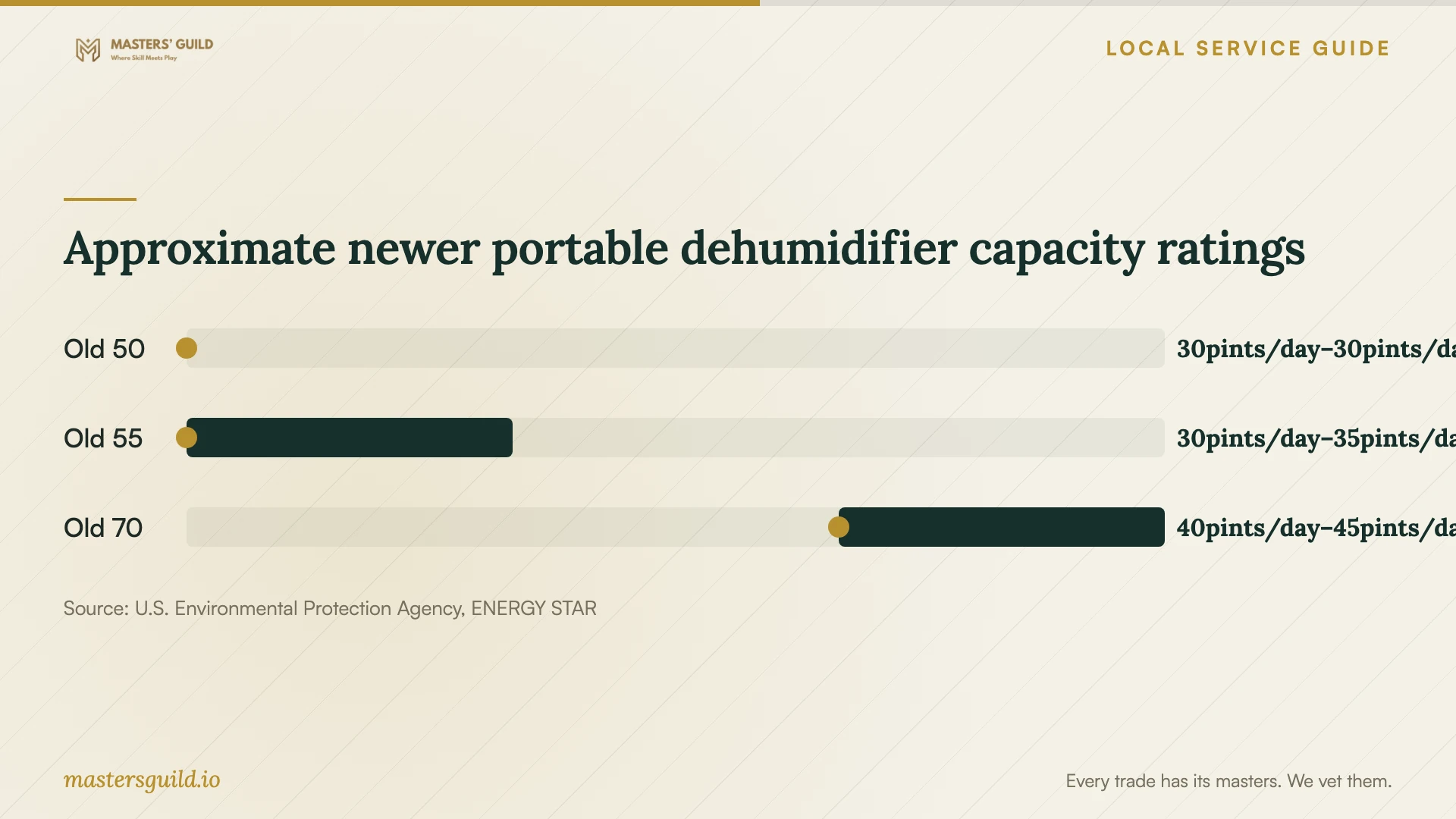
If the proposal includes a dehumidifier, ask for the model, capacity rating, drainage arrangement, electrical needs, and access for maintenance. ENERGY STAR defines capacity as water removed over 24 hours under test conditions. It recommends professional sizing and installation for a whole-home unit. Request the sizing rationale rather than choosing equipment from the largest number on the label. [2]
Resolve suspect materials before demolition
The San Diego County Air Pollution Control District identifies flooring, ceiling materials, wallboard, insulation, ducts, and pipe wraps among materials that may contain asbestos. It notes that materials in buildings constructed after 1980 can also contain asbestos. Ask a trained, accredited asbestos professional to assess the materials the remodel would disturb; the district advises homeowners against taking their own samples. [1]
Separate assessment from removal in the proposal. The district describes inspectors who assess conditions and take samples, and asbestos contractors who repair or remove asbestos-containing materials. Ask who will perform each task, what documentation you will receive, and who will check the cleanup. Have the remodeling contractor explain how any specialist work changes the construction sequence. [1]
Ask about leaving sound material in place if the design can avoid disturbing it. The district says asbestos-containing material in good condition that remains undisturbed is unlikely to release fibers. Do not treat covering it as an automatic solution: have the asbestos professional review any cutting, drilling, fastening, or repair that the proposed finish would require. [1]
Compare scope, exclusions, and schedule
Request an itemized proposal that separates investigation, demolition, repairs, electrical and plumbing work, finishes, equipment, and cleanup. Ask contractors to identify what they have inspected and what remains unknown. For each allowance, request the assumed quantity and a method for approving changes. Compare exclusions as closely as the total price.
Have the contractor explain whether removing a load-supporting member changes the asbestos review. The district defines facility demolition to include removing or wrecking a load-supporting structural member. For regulated facility demolition, owners or operators must submit notification ten working days before starting, whether or not the survey identifies asbestos. Confirm applicability with the district before agreeing to the start date. [1]
Ask for a schedule with decision points: investigation complete, design agreed, approvals confirmed, specialist work complete, construction ready, and final walkthrough. Name the person responsible for each step. Agree how you will approve extra work and receive revised costs before the contractor proceeds. At handover, request product instructions, relevant inspection records, and a list of maintenance access points.
Approximate newer portable dehumidifier capacity ratings
Local details that affect your job
A detached residential unit changes the exemption question
For remodeling, the San Diego County Air Pollution Control District lists a Rule 1206 sampling and testing exemption for a single-family home without detached residential structures, such as a granny flat. If your property includes a detached residential unit, disclose it before anyone relies on that exemption. The district still recommends professional assessment and testing of suspect materials for exempt projects. [1]
Coordinated work can change the regulatory scope
The district explains that a group of buildings under common management can constitute a regulated residential facility even when each building has fewer than four dwelling units. It also identifies coordinated renovation or demolition across noncontiguous parcels as potentially regulated. If your basement work forms part of an association or multi-building project, ask the district to assess the combined scope before your contractor schedules demolition. [1]
Questions to resolve before accepting a proposal
| Situation | Decision to resolve | Next step |
|---|---|---|
| Unexplained dampness | Investigation and repair scope | Request an assessment before selecting finishes. |
| Suspect flooring or pipe wrap | Assessment before disturbance | Ask a trained asbestos professional to review the planned work. |
| Detached residential unit | Eligibility for the residential testing exemption | Disclose the property configuration to the district. |
| Load-supporting member removal | Whether regulated facility demolition rules apply | Confirm survey and notification obligations before scheduling. |
| Whole-home dehumidifier | Sizing and installation requirements | Request a professional sizing rationale and installation plan. |
Your hiring checklist
- Write down the intended room use and required features.
- Give bidders the same sketch, photographs, and work history.
- Show contractors moisture concerns and request an investigation plan.
- Disclose detached residential units and related work across buildings.
- Ask who will assess suspect materials before demolition.
- Assign responsibility for confirming city approvals and district obligations.
- Request itemized allowances, exclusions, and written change approval.
- Agree on handover records and access for maintenance.
Frequently Asked Questions
Should I request a fixed price before an inspection?
Request an initial scope discussion, then ask the contractor to inspect before offering a firm price. Have them separate known work from allowances and explain how they will price discoveries. Keep the investigation and change approval process in writing.
Does a residential asbestos exemption mean I can skip assessment?
The district recommends professional testing of suspect materials even where Rule 1206 does not require sampling and testing. Confirm the exemption against your property configuration and project scope, then ask an asbestos professional how to handle materials the work would disturb. [1]
Can newer building materials contain asbestos?
Yes. The district says materials used before 1980 more commonly contain asbestos, but buildings constructed after 1980 can also contain it. Ask a trained professional to assess suspect materials rather than relying on the building’s age. [1]
Why does a newer dehumidifier show a lower capacity?
ENERGY STAR explains that the revised portable test uses 65°F instead of 80°F. Cooler test conditions can produce a lower published capacity for comparable equipment. Use the chart as a rough rating comparison and ask for model-specific information when selecting a replacement. [2]
Sources and scope
This guide combines the sources below with practical planning guidance. Figures apply to the stated geography and period; request a written quote for your property.