
Local service guide
Special Item Transport in Chicago: Hiring and Planning
Arrange Special Item Transport in Chicago by checking the transporting carrier’s Illinois Commerce Commission Household Goods License for a move within Illinois, then requesting an estimate for your item and both access routes. Choose a provider who explains the proposed handling method, included setup work, and liability terms before you book. [1]
Choose the carrier and settle the access assumptions
For household-property transport within Illinois, start with the ICC’s licensed-mover search or Motor Carrier Information System access. The regulator requires carriers to hold a Household Goods License, maintain valid insurance on file, and publish and file a tariff containing their services and prices. Check the business that will transport the item, including when another company takes the booking. [1]
Describe the object before requesting a quote. For a piano, provide its type and model if known. For a pool table, identify the table and ask who will handle disassembly and destination leveling. For a safe, supply manufacturer dimensions and documented weight where available. Ask the provider to explain its proposed crew, equipment, and protective materials without guessing missing specifications.
Measure the path at both addresses, including door openings, stair widths, landings, tight turns, and the carry from the proposed truck position. Send photographs with a tape measure visible. Ask the mover to assess clearance with wrapping and equipment included. For a managed building, ask the manager about elevator dimensions and capacity, reservations, loading access, work hours, and insurance paperwork.
Have the carrier identify the access assumptions in its estimate. The ICC says changes to the inventory or information supplied can affect estimated hours and actual move time. If you discover an extra stair flight, a longer carry, or an unavailable elevator, tell the carrier before moving day and request a revised estimate. Ask which filed tariff charges apply to the changed plan. [1] [2]
Compare the finished job and financial protection
Request an estimate that separates preparation, transport, placement, and any destination setup. Ask about minimum charges, waiting time, crating, and tasks the provider excludes. Distinguish safe placement from anchoring, and ask whether a piano technician visit belongs in a separate booking. Establish who can approve additional work and how the provider will document the charge.
The ICC Police FAQ says final household-move charges depend on actual move time. Compare the carrier’s stated time assumptions and applicable tariff charges alongside the total. A short estimate without the access details or required setup leaves you with unanswered questions; ask the bidder to resolve those questions before accepting it. [2]
Ask the carrier to distinguish valuation from insurance. The ICC describes an additional charge for declaring a higher value and says the mover’s liability involves repair or settlement at depreciated value, whichever is less. For third-party insurance, its FAQ says the customer receives a certificate of insurance. Obtain the selected terms, exclusions, and claim procedure; do not assume a declared value promises replacement-value payment. [2]
The ICC warns that movers lack liability for high-value items unless the customer notes them on the bill of lading. It also says movers have no additional liability for valuables such as jewelry, money, documents, and medication, and recommends that customers carry them. Discuss the transported item’s value before signing and retain any purchase or appraisal records you have. [2]
Prepare the outdoor transfer and delivery inspection
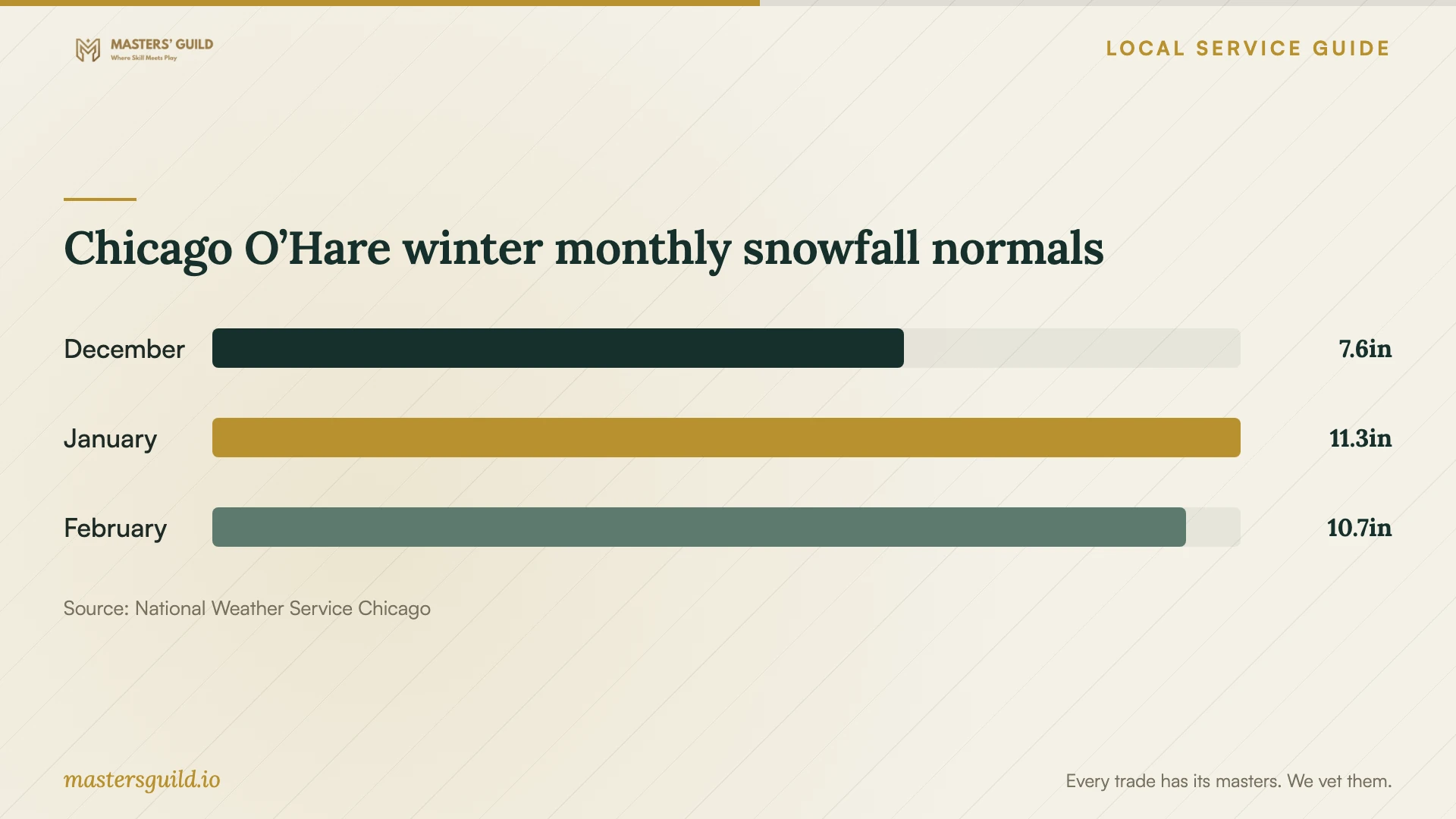
At Chicago O’Hare, the National Weather Service reports monthly snowfall normals of 7.6 inches in December, 11.3 inches in January, and 10.7 inches in February for 1991–2020. Use that seasonal context to discuss loading-path clearance and protected staging for a winter move. These station averages do not describe conditions at your address on the appointment day. [3]
Check the forecast before the appointment and agree on who will clear the outdoor route. Discuss moisture protection, any manufacturer temperature requirements, and the conditions under which you or the mover would reschedule. Choose a lawful loading position with the responsible property contact and assign someone to check any applicable parking or street-use requirements.
Photograph the item before loading, including existing marks and accessible identifying information. At delivery, inspect it with the crew before signing the condition record. Record visible damage and any unfinished tasks. Keep the estimate, bill of lading, payment records, photographs, and correspondence together if you need to raise a concern.
Chicago O’Hare winter monthly snowfall normals
Local details that affect your job
Illinois license and truck identification
For a household move within Illinois, verify the carrier through the ICC household-goods page before hiring. The ICC Police FAQ says intrastate household-goods carriers must display their ILCC number on both sides of the truck’s power unit, including carriers that also operate interstate. Compare the arriving carrier’s identification with your booking paperwork and resolve any mismatch before loading. [1] [2]
Illinois estimate review and completion payment
ICC staff can verify filed household-mover rates at 217-782-6448. The ICC FAQ says that when final charges exceed the estimate, the customer must pay only 110% of the estimated charges at completion and has 30 days to pay the remainder. This payment procedure does not cap the final bill at 110%. Keep the estimate and records of agreed changes when questioning a charge. [2]
Questions that help distinguish providers
| Your situation | Ask the provider | Use the answer to decide |
|---|---|---|
| Another company takes the booking | Which legal business will transport the item? | Check that carrier’s ICC household-goods license for transport within Illinois. |
| You lack reliable item specifications | Can you assess the item before committing to crew and equipment? | Choose a provider who resolves missing information before quoting the handling plan. |
| You want transport and setup | Who completes the destination work, and who handles a problem with it? | Compare responsibility for the entire requested job. |
| You may need temporary storage | Where would you hold the item, who would handle it, and what terms apply? | Resolve custody, timing, charges, and protection before accepting that option. |
Your hiring checklist
- Collect model information, photographs, dimensions, and documented weight where available.
- Send one complete description of the item, route, and required tasks to each bidder.
- Resolve building reservations and identify the person who can grant access at each address.
- Identify who can approve extra work and how you will receive the revised charge.
- Remove personal valuables and loose contents before the crew arrives.
- Prepare condition photographs and keep the moving documents available for delivery inspection.
Frequently Asked Questions
Does the Illinois license requirement apply to a single household item?
The ICC states that any business or individual transporting household property for hire must obtain a Household Goods License. Its stated requirement does not specify a minimum item count. Verify the transporting carrier for a move within Illinois even if you are moving only one piano, table, or safe. [1]
How much should I budget for the move?
Request an item-specific estimate after the carrier reviews the route and requested tasks. Illinois household-goods carriers must publish and file service prices in a tariff. Ask the bidder to explain the applicable charges and time assumptions. The supplied sources do not establish a Chicago price range for these items. [1]
Can I use this Illinois guidance for a move across a state line?
Use the licensing and payment guidance here for a household move within Illinois. For a route crossing a state line, ask the transporting carrier to identify the operating authority, estimate rules, and liability terms governing that shipment before you accept the quote. [1] [2]
Sources and scope
This guide combines the sources below with practical planning guidance. Figures apply to the stated geography and period; request a written quote for your property.