
Local service guide
Buffalo carpet cleaning: quotes, drying and hiring
Book carpet cleaning in Buffalo after agreeing on the measured areas, included treatments, total price, and drying arrangements. Give each cleaner the same room list and disclose stains, pet accidents, and access constraints. Report leaks, wet padding, or suspected mold before booking: EPA recommends addressing water-damaged carpet and its underlying layers, and New York has a separate hiring process for covered mold work. [3] [4]
Get a measured-job quote
Send each cleaner room dimensions, a stair count, and photographs of the areas you want cleaned. State whether you want the entire carpet treated or only exposed areas around furniture. Have the business explain its room-size limits and how it prices hallways, landings, and any minimum visit charge.
Request a written scope separating cleaning, stain treatment, odor treatment, furniture moving, and protective treatments. Identify the options you want before comparing totals. If the cleaner needs a walkthrough to confirm the price, arrange it before authorizing work and require your approval for additions.
Build your budget from quotes for those measured areas. Compare the total alongside exclusions, preparation duties, and the business's policy for addressing concerns after the visit. Keep your room list with the accepted quote so you and the crew can check the scope together on arrival.
Check the method and equipment access
Share the carpet label and manufacturer care instructions if you have them. Describe specialty fibers, damaged seams, previous cleaning products, and treatments you have applied to stains. Have the cleaner explain why the proposed method suits the carpet and what results the business will commit to in writing.
For a pet accident, identify the location and describe whether the odor returned after earlier treatment. Request a separate scope explaining what the cleaner will inspect and treat, including whether it proposes inspecting beneath the carpet. Obtain proof of liability insurance and confirm who will perform the work.
Describe the floor, stairs, parking location, and route from the vehicle to the rooms. Confirm water and electricity needs, door access, and protection for corners and other flooring. In a rental or shared building, settle access and furniture-moving arrangements with the owner or manager before the appointment.
Prepare rooms and agree on drying
Get the crew's preparation instructions before moving furniture or vacuuming. Remove small objects and valuables, arrange a place for pets, and identify heavy furniture you want left in position. Photograph existing damage and show the crew the stains during its walkthrough.
Have the cleaner estimate drying for the proposed method and conditions inside your home. Confirm whether it recommends fans or a dehumidifier, when you may walk on the carpet, and when to replace furniture. Choose an appointment that lets you keep the affected rooms out of use for the recommended period.
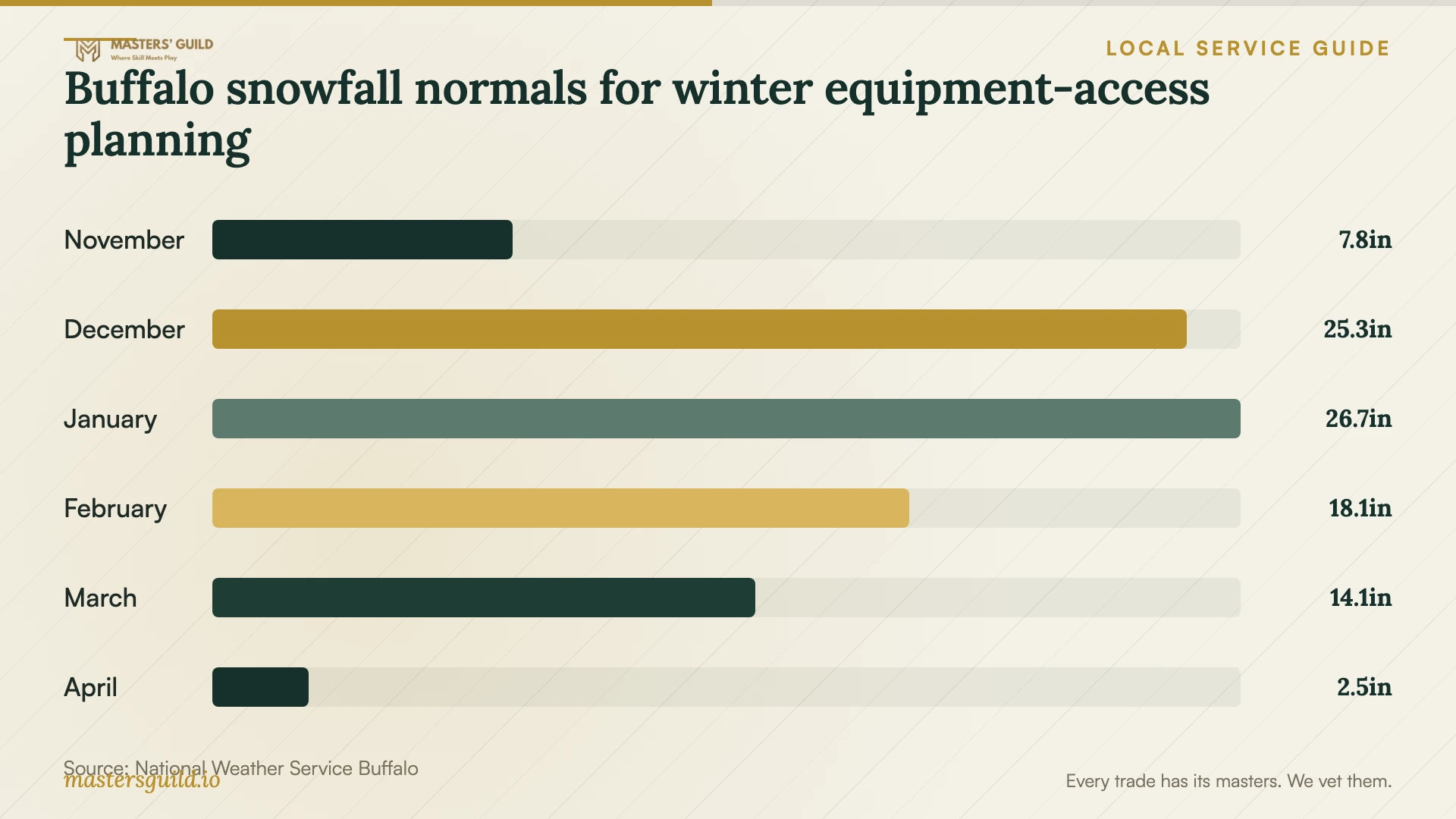
The National Weather Service publishes Buffalo station snowfall normals for 1991 to 2020. Use the seasonal chart to plan snowy-weather access: agree on a clear equipment route and wet-footwear handling. Check conditions for the appointment itself; historical snowfall does not establish indoor drying time or provider availability. [2]
Arrange separate help for water damage
Report when the carpet became wet and what caused it. For clean-water damage, EPA recommends extracting water and drying carpet and backing within 48 hours, with attention to the padding. EPA states that wet vacuuming alone will not dry carpet. Have a water-damage professional explain how the crew will expose, dry, and check the underlying layers. [4]
Disclose sewage or suspected chemical or biological contamination before work starts. EPA advises consulting an experienced professional when you or the crew lack contaminated-water expertise. It also cautions against using fans until you determine that the water is clean or sanitary. [4]
Describe visible mold and persistent musty odors without assuming either proves that the carpet can be salvaged. EPA explains that mold-affected porous materials may need disposal because complete removal can be difficult. Request an evaluation of the moisture source and material condition before accepting a salvage proposal. [4]
Understand New York's mold-work boundary
New York's Department of Labor defines a mold project as assessment, remediation, or abatement of areas greater than 10 square feet undertaken for mold remediation or abatement purposes. The definition excludes routine cleaning and building work undertaken for other purposes. Mold presence alone does not require a property owner to obtain an assessment or perform remediation. [3]
If you elect to hire professionals for covered mold assessment or remediation, verify their applicable New York licenses. A licensed remediator must obtain a licensed assessor's assessment before remediation, and a licensee cannot assess and remediate the same project. Use the contractor and individual license search tools linked from the Department of Labor FAQ. [3]
New York provides statutory exemptions, including residential owners doing mold work on their own property. Other exemptions cover specified owners, managing agents, employees, and governmental entities working on qualifying property. Those exemptions do not give a business serving the public a blanket exception. Have anyone claiming an exemption identify the provision that applies before approving the work. [3]
Buffalo snowfall normals for winter equipment-access planning
Local details that affect your job
Check tax line items on a Buffalo quote
New York's statewide tax guide lists carpet, rug, drapery, and upholstery cleaning among generally exempt services, with no exemption document required for that entry. Apply that distinction when comparing Buffalo quotes. If a provider includes sales tax, request separate line items and an explanation of which additional product or service it considers taxable. [1]
Verify the New York mold hiring process
For covered mold work here, use the Department of Labor FAQ's contractor and individual license lookup tools before hiring. For a mold project involving an area greater than 10 square feet and undertaken for mold remediation or abatement purposes, confirm who will provide the assessment and remediation. A licensed remediator needs a licensed assessor's assessment, and one licensee cannot perform both roles on the same project. Review any claimed statutory exemption separately. [3]
Choose help for the carpet's condition
| Condition | Next step | Confirm before work |
|---|---|---|
| Routine soil without a reported moisture problem | Request a measured-area cleaning quote. | Included areas, method, treatments, and drying estimate. |
| Pet accident or recurring stain | Describe previous treatment and request a separate treatment scope. | Inspection plan, exclusions, and promised outcome. |
| Carpet wet from known clean water | Arrange prompt drying of carpet, backing, and padding. | How the crew will dry and check underlying layers. |
| Sewage or suspected contaminated water | Consult a professional with contaminated-water expertise; avoid fans until the water is known to be sanitary. | Experience handling the reported contamination. |
| Mold assessment or remediation project greater than 10 square feet | Verify applicable New York licenses or a statutory exemption; licensed remediation requires prior licensed assessment. | Separate assessment and remediation roles, project scope, and moisture correction. |
Your hiring checklist
- Send matching room dimensions, stair counts, and photographs to each cleaner.
- Share carpet care instructions and disclose previous treatments.
- Identify pet accidents, leaks, wet areas, and suspected mold.
- Obtain the total scope, exclusions, optional charges, and approval process in writing.
- Request insurance documentation and confirm who will perform the work.
- Agree on equipment access, furniture handling, and room preparation.
- Confirm the drying estimate, room-use instructions, and contact for concerns after cleaning.
Frequently Asked Questions
How should I budget for cleaning?
Obtain written quotes for your measured rooms and requested treatments. Have each cleaner identify minimum charges, stairs, furniture moving, and optional treatments. Compare matching scopes and confirm whether the total requires an inspection before booking.
Should the quote include New York sales tax?
New York lists carpet, rug, drapery, and upholstery cleaning as generally exempt. Request an explanation for any tax charge and the item it covers, especially if the quote bundles additional products or services. [1]
How long should I leave rooms unused?
Get a drying estimate and room-use instructions from the cleaner based on your carpet, method, and indoor conditions. EPA's 24 to 48 hour guidance concerns water-damaged materials and mold prevention. Use the cleaner's appointment-specific instructions for routine cleaning. [4]
Does finding mold mean I must hire a mold assessor?
New York says mold presence alone does not require assessment or remediation. If you choose to hire professionals for covered mold work, applicable licensing rules and statutory exemptions govern the process. A licensed remediator needs prior licensed assessment, and one licensee cannot assess and remediate the same project. EPA notes that mold-affected porous materials may need disposal. [3] [4]
Sources and scope
This guide combines the sources below with practical planning guidance. Figures apply to the stated geography and period; request a written quote for your property.