
Local service guide
Pest control in Aurora, IL: Hiring and Planning
For pest control in Aurora, start with an inspection that identifies the pest and the extent of the problem. Check the company's Illinois commercial structural pest control business license, ask who oversees treatment, and compare written plans covering methods, follow-up visits and cancellation terms. Illinois requires a licensed business to employ at least one certified technician and provide proof of required insurance. [1] [2]
Choose an inspection before choosing a treatment
Tell the inspector where you have seen activity, when it began and what you have tried. Ask them to identify the pest, inspect affected areas and show you their findings. Illinois Department of Public Health guidance puts identification and inspection before treatment because the pest's identity and activity determine the control method. [2]
Ask for a plan that combines appropriate methods. Integrated pest management means choosing controls after considering safety, effectiveness, cost and environmental effects. Depending on the problem, the technician may recommend trapping, sealing food, correcting moisture or applying pesticides. Ask which household tasks you need to complete and which tasks the company will handle. [2]
Use a second inspection to resolve conflicting diagnoses or treatment proposals. For suspected termites, ask each inspector to explain the evidence and proposed method. IDPH advises homeowners to take time for an informed termite decision; bees and wasps can present a danger for someone attempting control without professional help. [2]
Compare quotes by scope and contract terms
Request a written quote naming the target pest, areas included, treatment methods and expected result. Ask whether the company expects reduction or elimination, how long control may take, and how it will assess progress. Have each company separate the initial service from follow-up charges so you can compare the same work. [2]
Ask about guarantees, cancellation terms and the conditions for a return visit. For termites, read whether the agreement covers retreatment, subsequent damage repairs or both. IDPH explains that annual termite fees can continue the original contract, but repair coverage varies. Ask the company to identify your obligations and any exclusions in writing. [2]
Build your budget from inspection-based quotes. On your comparison sheet, record the initial charge, included visits, renewal charge and any separate exclusion or moisture-repair work. Ask each company to explain what you would pay if activity continues after the included visits.
Plan autumn entry control and moisture work
If you find insects around windows or siding in autumn, get an identification before buying a recurring treatment plan. IDPH describes lady beetles, boxelder bugs and cluster flies entering structures for winter shelter. For these occasional invaders, inspect gaps around doors, windows, vents, siding and utility entries, and ask who will seal them. [3]
For insects already indoors, IDPH recommends vacuum removal in many occasional-invader situations. Its guidance says foggers have little use against these pests because they may fail to reach insects in cracks and voids. Ask a professional to explain the timing and purpose of any exterior treatment; an application after insects have entered may provide little control. [3]
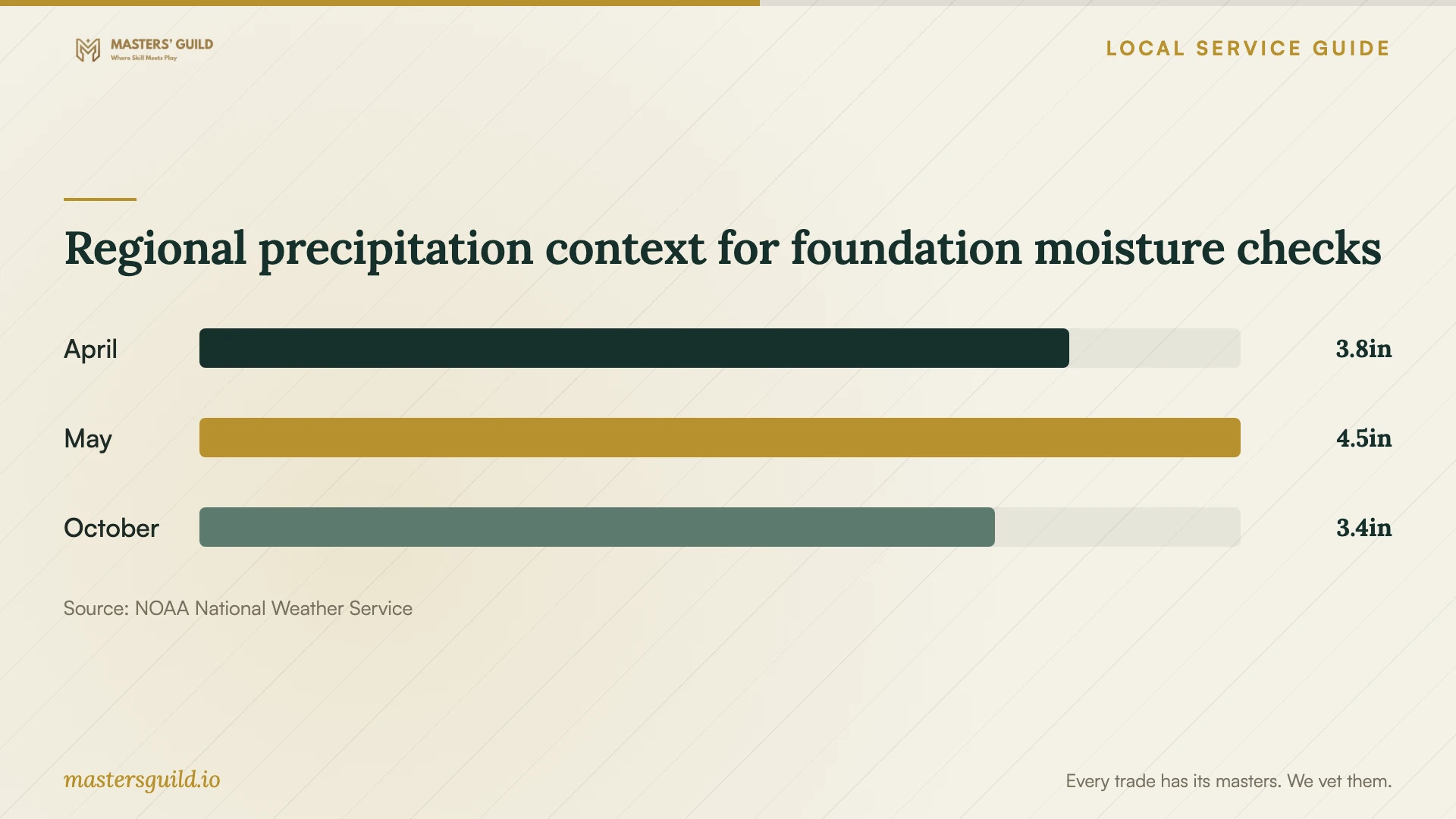
Include moisture sources in the inspection. IDPH links saturated soil around foundations to springtail entry into basements and crawlspaces, including during snowmelt. Ask the inspector to check leaks, downspout discharge and damp areas, then agree on which repairs you will arrange. Use the regional precipitation chart as seasonal context for those checks, rather than as a prediction of an infestation. [3] [4]
Prepare for the visit and agree on follow-up
Before treatment, ask for the pesticide names and copies of their labels. Tell the company about children, pets and any exposure concerns, and request written preparation and return instructions for the selected products. Pesticide applicators must follow label directions. If you have medical concerns, IDPH suggests asking your physician to review the labels. [2]
Ask the company which rooms or exterior areas it needs to access. Get its preparation instructions before moving belongings or cleaning affected areas. Keep a short activity log with dates, locations and photos so you can discuss changes at the follow-up visit.
After treatment, save the service report. IDPH says these reports must identify the pesticides used. For recurring service after control, ask for inspection and treatment where the technician finds pest evidence. Ask the inspector to explain the proposed visit schedule for your pest and situation. [2]
Regional precipitation context for foundation moisture checks
Local details that affect your job
Illinois business licensing applies to your hire
For structural pest work at an Aurora home, use IDPH's Structural Pest Control page and its Pest Control Business Search resource to check the business. Illinois requires the business to employ at least one certified technician and submit proof of required insurance to obtain its license. Ask for the business license details and the visiting technician's certification status as separate checks. [1] [2]
Route application questions to the right Illinois agency
For questions about pesticide application indoors, IDPH lists 217-782-5830. For outdoor application questions, its homeowner guidance lists the Illinois Department of Agriculture at 217-785-2427. Describe the target pest and treatment location when calling about a proposed application, so the agency can address the actual scope. [2]
Match the first step to the problem
| Situation | First step | Question for the company |
|---|---|---|
| Unknown insect or unexplained activity | Request identification and an inspection before treatment. | What evidence identifies the pest and its extent? |
| Autumn lady beetles or cluster flies | Discuss entry sealing and indoor removal. | Would exterior treatment still help at this stage? |
| Springtails near a damp basement | Inspect moisture sources and foundation gaps. | Which moisture corrections should accompany control? |
| Suspected termites | Arrange a professional inspection and compare methods. | Does the guarantee cover retreatment, damage repair or both? |
| Recurring service after control | Agree on inspection and treatment based on pest evidence. | What findings will trigger treatment at each visit? |
Your hiring checklist
- Record affected rooms, activity dates, photos and treatments you have already tried.
- Check the commercial business license and ask about the visiting technician's certification.
- Ask the inspector to show the evidence supporting the pest identification.
- Compare initial charges, included follow-ups, renewal fees and cancellation terms.
- Assign responsibility for sealing gaps, repairing leaks and other preparation tasks.
- Request product labels and written preparation and return instructions.
- Save service reports and agree on how the company will assess progress.
Frequently Asked Questions
Does the company license mean every technician is certified?
Illinois requires a commercial structural pest control business to employ at least one certified technician. Ask whether the person servicing your home holds certification and who oversees the proposed work. [1] [2]
Should I sign up for monthly treatment?
Ask the inspector to justify the schedule for your pest and home. IDPH says some pests need one service while others require months or longer. After control, periodic service should emphasize inspection and treatment where pests appear. [2]
Are termite baits or liquid treatments better?
IDPH says the choice depends on the structure and homeowner. Baits require periodic checks. Liquid treatment can require drilling or access through floors and walls. Compare access needs, monitoring charges and guarantee terms before choosing. [2]
Who should I call after accidental pesticide exposure?
IDPH directs Illinois residents to Poison Control at 800-222-1222. Have the pesticide name or service report available and follow Poison Control's instructions. [2]
Sources and scope
This guide combines the sources below with practical planning guidance. Figures apply to the stated geography and period; request a written quote for your property.