
Local service guide
Gardening in Augusta, GA: Hiring and Visit Planning
Arrange Gardening in Augusta by asking for a written scope that separates bed cleanup, planting, ongoing care and debris handling. Specify whether the gardener will prepare waste for city collection or haul it away. Before approving chemical treatments, check pesticide credentials; before planting, agree on who will water and check the plants between visits.
Define the work before asking for a price
Walk through the garden and identify the beds, shrubs and plants you want the gardener to work on. Mark plants to keep and photograph areas that need attention. For a cleanup, describe the finish you expect: weeds removed, edges defined, pruning debris gathered and paths cleared. For planting, specify who chooses and buys the plants.
Ask each gardener to quote the same tasks. Request separate amounts for labor, plants, mulch, delivery and debris handling, plus a total. If the gardener charges by time, agree on an approval limit and ask how crew size affects billing. For repeat visits, list the tasks included and require approval for replacements or treatments.
Ask for proof of liability insurance and identify who will carry out the work. Discuss gate access, pets, outdoor water access and where the crew can place materials. Keep tree work, irrigation alterations and construction as distinct scopes so you can assess the people and arrangements for each.
Decide how the gardener will handle debris
Augusta provides weekly yard waste collection for residential customers and includes compliant collection in annual solid waste fees. The city accepts garden plant material such as leaves, grass clippings, branches, brush and roots, but excludes soil, plastic and lumber. Ask the gardener to separate excavation spoil and packaging from plant debris. [1]
For curbside collection, the city limits the total to 10 cubic yards per week and each item to 5 feet long. Loose material must go in paper Kraft bags or 32-gallon containers, rather than plastic bags. Containers must open at the top and carry a YARD WASTE label. Have the gardener include cutting, bagging and placement in the quote. [1]
The city requires piles or rows no longer than 10 feet, with sidewalks and streets clear. Place waste at the curb by 6:00 a.m. on collection day, away from carts, mailboxes and other obstructions. The weekly hauler does not remove noncompliant waste; Augusta states that separate collection brings additional charges. For a large cleanup, request a hauling option instead of assuming the city will take the entire pile. [1]
Investigate struggling plants before paying for treatment
Richmond County Extension lists an $8 basic soil test covering pH and lime requirement plus several nutrients. The office cautions that prices and availability can change. Call to confirm the fee and sampling instructions, then ask your gardener to use the results when proposing lime, fertilizer or other amendments. [3]
For a plant with unexplained damage, Extension offers free basic in-office diagnosis and asks you to call ahead to arrange time with an agent. You can also email photographs and questions. Record the plant's location, watering routine and recent treatments so you can give the gardener and Extension the same account of the problem. [3]
Check credentials for pesticide applications
Georgia requires a pesticide contractor license for a business applying pesticides to another person's land for a fee or as part of a maintenance contract. The Department of Agriculture includes herbicides, insecticides and fungicides in its definition. A weed-control application bundled into a gardening visit still falls within this requirement. [4]
Ask for the contractor license and the category covering the proposed work. Georgia requires the contractor to employ at least one full-time certified commercial applicator licensed in its categories of operation. Have the gardener identify the target problem and proposed product before you approve treatment, and request the product's instructions for access after application. [4]
Plan watering and follow-up before planting
In its April 28, 2026 drought-response notice, Augusta Utilities recommended general landscape watering between 4:00 p.m. and 10:00 a.m. The notice allowed watering personal food gardens, new plants for up to 30 days, drip or soaker systems, and specified hand-watering methods at any time. That dated notice does not establish drought status on October 12, 2026; confirm current utility guidance before setting a schedule. [2]
Ask the gardener to leave a plant-specific care plan and identify who will check moisture between visits. Agree on a follow-up date and any replacement terms before installation. If you cannot provide the proposed care, discuss a smaller planting scope or additional visits before buying materials.
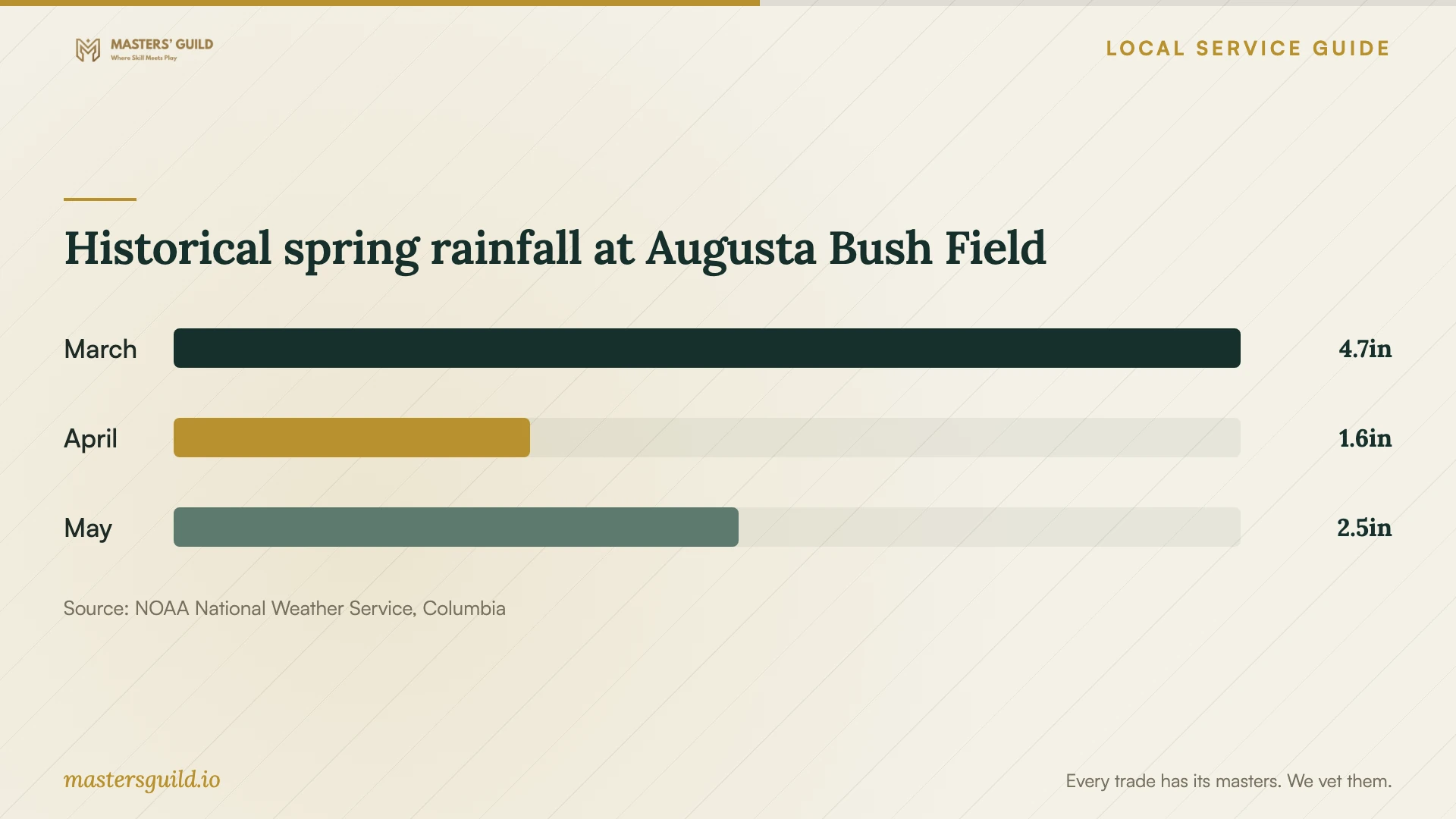
The historical rainfall chart gives context for asking about watering, rather than a schedule to follow. At Augusta Bush Field, the National Weather Service recorded 4.70 inches in March 2021, 1.57 inches in April and 2.49 inches in May. Use current conditions and the agreed plant-care plan for your garden. [5]
Historical spring rainfall at Augusta Bush Field
Local details that affect your job
Curbside preparation can change the cleanup scope
Augusta excludes soil from yard waste and requires compliant packaging and placement for weekly collection. Ask for separate prices for preparing eligible plant debris at the curb and removing soil or other excluded material. This matters when a gardener removes beds, roots or sod along with soil. [1]
A local diagnosis option before treatment
Richmond County Extension offers soil testing and free basic in-office plant diagnosis at 501 Greene Street, Suite 100. Call 706-821-2350 to confirm testing prices and arrange diagnosis time. Consider that step before authorizing a gardener to replace struggling plants or apply chemicals. [3]
Watering guidance needs a current check
Augusta Utilities' April 2026 notice distinguished general landscape watering from food gardens, new installations and specific watering methods. Tell the gardener which method you plan to use, then confirm current guidance before agreeing on installation and watering visits. [2]
Choose the next step for your garden
| Your situation | Next step | Clarify in the quote |
|---|---|---|
| Beds need routine attention | Define weeding, edging and pruning tasks | Visit scope and approval for extras |
| Cleanup will leave substantial debris | Compare curbside preparation with hauling | City volume and packaging limits; excluded soil |
| Plants show unexplained damage | Arrange Extension diagnosis before treatment | Diagnosis, treatment and replacement as separate decisions |
| Gardener proposes weed spray | Check pesticide contractor credentials | Product, target problem and application scope |
| You want new planting | Agree on care and check current watering guidance | Watering responsibility, follow-up and replacement terms |
Your hiring checklist
- Photograph the work areas and mark plants the gardener should keep.
- Write down the finish you expect for each bed or shrub.
- Compare quotes with the same labor, materials and debris scope.
- Agree on an approval limit for extra time or purchases.
- Choose curbside preparation or hauling before the cleanup starts.
- Request pesticide credentials if the gardener proposes chemical treatment.
- Assign watering and follow-up responsibilities before planting.
- Record access arrangements, payment terms and completion expectations.
Frequently Asked Questions
Can the gardener leave cleanup debris for city collection?
Yes, if the material and placement meet Augusta's requirements. The city limits weekly yard waste to 10 cubic yards and individual items to 5 feet. Specify compliant preparation in the quote and arrange another disposal method for soil or excluded materials. [1]
Does weed spraying require a license?
Georgia requires a pesticide contractor license for businesses applying pesticides to another person's property for a fee, including applications within maintenance contracts. Herbicides fall within the state's pesticide definition. Ask for the business's credentials before approving spraying. [4]
Where can I get help with a struggling plant?
Richmond County Extension offers free basic in-office plant diagnosis. Call ahead to arrange time with an agent, or email photos and questions to [email protected]. The office also lists an $8 basic soil test; confirm price and availability before submitting samples. [3]
Should I book ongoing maintenance or a single cleanup?
Start with a defined cleanup if you need to restore access or establish what you want to keep. Choose repeat visits when you want help with specified ongoing tasks. Ask for both options with the same initial scope, then decide which care you can handle between visits.
Sources and scope
This guide combines the sources below with practical planning guidance. Figures apply to the stated geography and period; request a written quote for your property.