
Local service guide
Kitchen Remodeling in Atlanta: Hiring and Planning
For Kitchen Remodeling in Atlanta, define the layout, cabinet work and appliance choices before requesting written estimates for the same scope. Check the contractor’s applicable Georgia credentials and identify who will handle plumbing and electrical work. For a home built before 1978, ask about RRP certification before demolition. Agree on completion dates and payments tied to finished stages before signing. [1] [2]
Define the kitchen you want before comparing bids
Write a scope that separates what you will keep from what you will replace. Name the cabinets, countertops, sink, flooring, lighting and appliances you want included. Mark proposed changes to the sink, range and refrigerator locations. Ask each bidder to price that same scope; Georgia’s consumer protection guidance recommends written estimates from several companies using identical project specifications. [1]
Give bidders photographs, room measurements and a list of problems you want to solve, such as awkward storage or a dishwasher door that blocks a walkway. Ask them to inspect the room before committing to installation details. Request separate prices for optional changes so you can choose what to remove if the total exceeds your budget.
Compare the proposed products as well as the total. Ask each contractor to identify cabinet construction, countertop material, appliance models and any allowances for items you have not selected. Request a written explanation of exclusions and who buys each item. You need enough detail to recognize when two contractors are pricing different kitchens.
Check the contractor and the people doing trade work
Georgia has a State Licensing Board for Residential and General Contractors. The Georgia Attorney General explains that certain specialty occupations, including painters, drywall contractors and repair handymen, have exemptions from state licensing. Plumbers, electricians and air-conditioning contractors fall under a separate licensing board. A kitchen project can involve more than one credential, so ask who will perform each part. [1]
Ask for the contractor’s business name and applicable license information, then confirm licensing questions with the Secretary of State and local government. Georgia’s guidance says most contractors also face county or city licensing requirements. Keep the contract name consistent with the business whose credentials you check, and request current insurance documentation. [1]
Request references from homeowners who hired the contractor for similar projects. Contact those references and inspect the work if possible, as Georgia’s consumer guidance recommends. Ask how the contractor handled changes, unfinished items and communication during the period without a working kitchen. [1]
Resolve older-home renovation questions before demolition
Check the home’s construction year before approving demolition or painted-surface preparation. Georgia’s Environmental Protection Division says companies performing renovation, repair and painting that disturb lead-based paint in residential properties built before 1978 must hold certification, use certified renovators and follow lead-safe practices. The agency tells owners of pre-1978 properties to hire an RRP Certified Contractor. [2]
Ask the bidder to explain how they will assess painted surfaces and manage the applicable lead-safe work. Request certification documentation and a written description of containment, cleanup and access restrictions. Discuss where your household will prepare food during the work, and keep that temporary setup outside the proposed work area.
Put the schedule, changes and payments in writing
Include start and completion dates, guarantees, warranties and promises in the contract. Georgia’s consumer protection guidance recommends considering payment terms tied to completed stages. It also warns that a request for payment for the entire job upfront or pressure for an immediate decision should prompt caution. [1]
Ask the contractor to identify responsibility for permit applications and inspections before work begins. Confirm permit requirements for your kitchen scope with the authority serving your address. Georgia’s consumer guidance flags a contractor asking the homeowner to obtain required building permits as a reason for caution. [1]
Agree on how you will approve changes discovered after demolition. Ask for a written price and schedule effect before authorizing extra work. Set milestones you can inspect, and define what completion includes: installed fixtures, functioning appliances, cleanup and correction of agreed defects. Georgia advises checking completed work against the contract and withholding payment for incomplete work. [1]
Compare dishwasher specifications before ordering
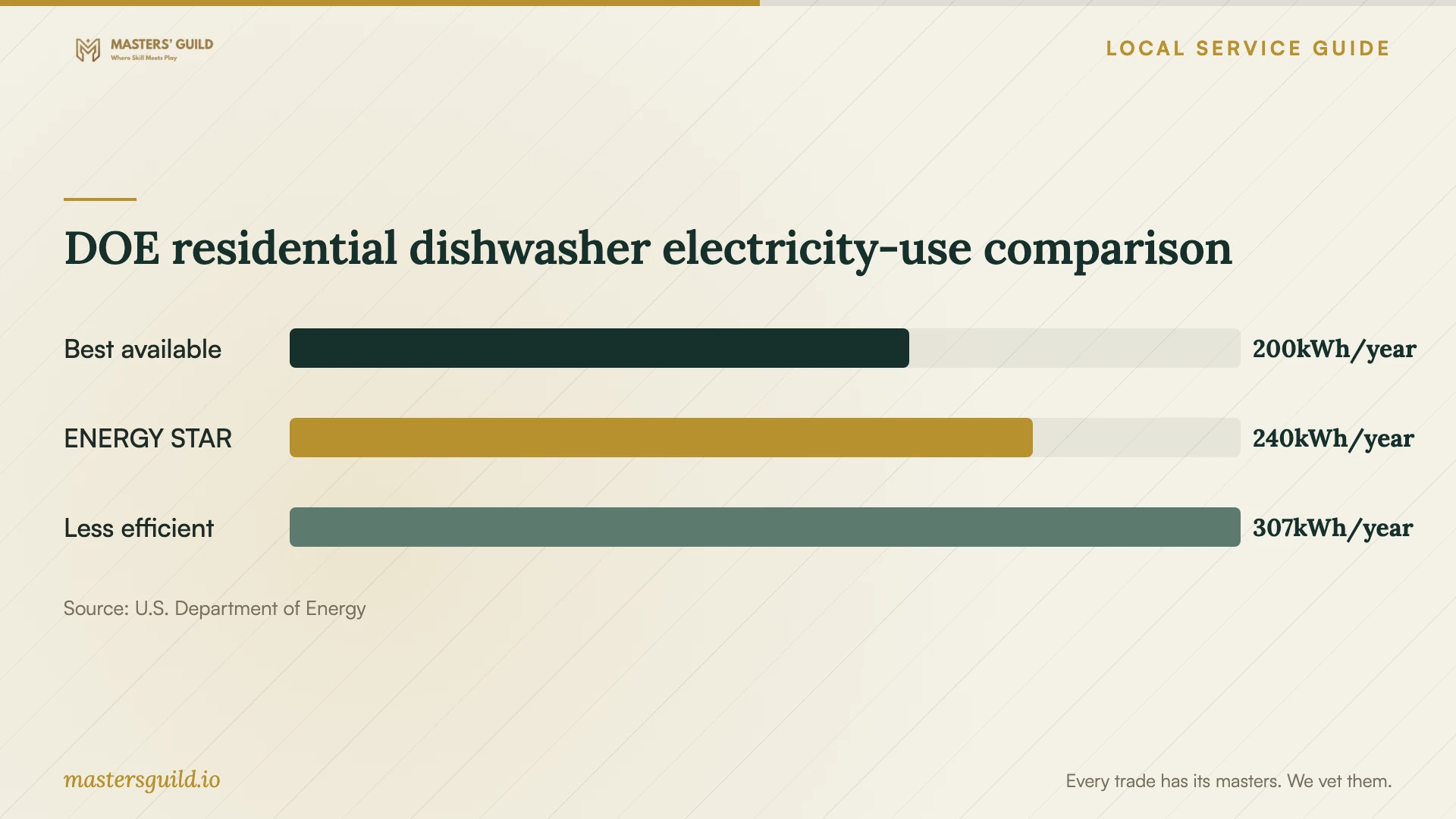
The Department of Energy’s October 2023 dishwasher guidance compares annual electricity use of 200 kWh for its best available case, 240 kWh for its ENERGY STAR case and 307 kWh for its less efficient case. These are national reference cases for standard residential dishwashers using hot water from an electric resistance water heater. [3]
Use the comparison to include energy consumption in your appliance decision. Ask for the chosen model’s energy information, installation requirements and dimensions before approving cabinet openings. DOE says ENERGY STAR-qualified residential dishwashers also save water. Compare the actual model’s specifications and use your own utility rates when considering operating costs. [3]
DOE residential dishwasher electricity-use comparison
Local details that affect your job
Georgia licensing checks depend on the work
For an Atlanta kitchen project, check the lead contractor’s applicable credentials and ask who will handle regulated utility trades. Georgia distinguishes residential and general contractor licensing from plumbing, electrical and air-conditioning regulation, while exempting some specialty occupations. Confirm state licensing questions with the Secretary of State and local requirements with the city or county serving the property. [1]
Georgia lead-safe renovation requirements
If your home predates 1978, request RRP certification before choosing a demolition contractor. Georgia EPD requires certified companies and renovators, plus lead-safe practices, for covered work disturbing lead-based paint. Apply this statewide guidance to your kitchen’s painted surfaces and ask the bidder to document how they will handle the work. [2]
Questions to resolve before choosing a contractor
| Your situation | Ask before signing | Decision to make |
|---|---|---|
| You want a cosmetic refresh | Which tasks fall within your scope and applicable credentials? | Specify each task and confirm licensing rather than assuming one rule covers all work. |
| You plan plumbing or electrical changes | Who will perform the utility-trade work? | Check the assigned trades separately from the lead contractor. |
| Your home predates 1978 | Can you document RRP certification and explain lead-safe work? | Resolve covered painted-surface work before authorizing demolition. |
| Bids have different totals | Did you price the same materials, installation and exclusions? | Request revised estimates against identical specifications. |
| You are replacing the dishwasher | What are the model’s dimensions and energy specifications? | Compare the actual model with the published reference cases before ordering. |
Your hiring checklist
- Prepare one scope showing retained items, replacements and proposed layout changes.
- Request itemized bids with product selections, allowances and exclusions.
- Record the business name and the people assigned to each trade.
- Request similar-project references and insurance documentation.
- Check the construction year and discuss painted surfaces before demolition.
- Assign responsibility for permit questions, applications and inspections.
- Write down dates, payment milestones and the change-approval process.
- Inspect the finished kitchen against the contract and record unresolved items.
Frequently Asked Questions
How much should I budget for the remodel?
Obtain comparable written estimates for an identical scope, then compare allowances, exclusions and optional work. Ask each contractor to separate the base project from choices you could postpone. Keep a separate budget amount for changes you approve after inspection or demolition. [1]
Does every person working on my kitchen need the same license?
Georgia uses different licensing arrangements for residential and general contractors and utility trades. Some specialty occupations have state exemptions. Ask who will perform each task and confirm the applicable state and local requirements. [1]
What should I ask before renovating a pre-1978 kitchen?
Ask for RRP certification and an explanation of how the contractor will handle painted surfaces. Georgia requires certification and lead-safe practices for covered renovation that disturbs lead-based paint in pre-1978 residential properties. [2]
When should I make the final payment?
Check the finished work against the contract and document remaining items. Georgia’s consumer guidance advises against paying for incomplete work. Agree on payment milestones and the completion standard before signing. [1]
Sources and scope
This guide combines the sources below with practical planning guidance. Figures apply to the stated geography and period; request a written quote for your property.