
Local service guide
Atlanta gardening: hiring and seasonal planning
Arrange Atlanta gardening by defining the beds and tasks you want a gardener to handle, then request a written quote separating labor, materials, debris removal, and follow-up care. Before approving planting or weed spraying, agree who will water and arrange soil testing if needed. Georgia requires a pesticide contractor license for businesses applying pesticides to another person's property, including applications within a maintenance contract. [2]
Define the work before comparing quotes
Walk through the garden and mark the plants you want to keep. Describe the result you want: cleared beds ready for planting, maintained borders, trimmed hedges, or help tending vegetables. Ask the gardener to identify unfamiliar plants before removing them. Specify hand weeding or request details of any proposed chemical treatment.
For a cleanup, list the beds, paths, and shrubs included. Agree where the gardener will leave compostable material and who will remove the rest. For planting, request plant names, quantities, container sizes, bed preparation, and an aftercare plan. For recurring visits, specify tasks and how you will approve extra work.
Share photos, approximate bed dimensions, gate access, steps, and the location of the water supply. Ask whether the quote covers deliveries and disposal. Set a spending limit for changes and require your approval before the gardener purchases substitute plants or adds work.
Build a budget from the scope
Request separate amounts for labor, plants, mulch or compost, delivery, disposal, and return visits. If the gardener charges by the hour, ask for an expected labor allowance and a point at which they must check with you. For a fixed quote, confirm the work boundaries and conditions that could change the price.
Use written offers for your property to set the labor budget. Ask each gardener to explain their soil-preparation allowance and whether they include watering after installation. Compare the same tasks and materials before choosing an offer.
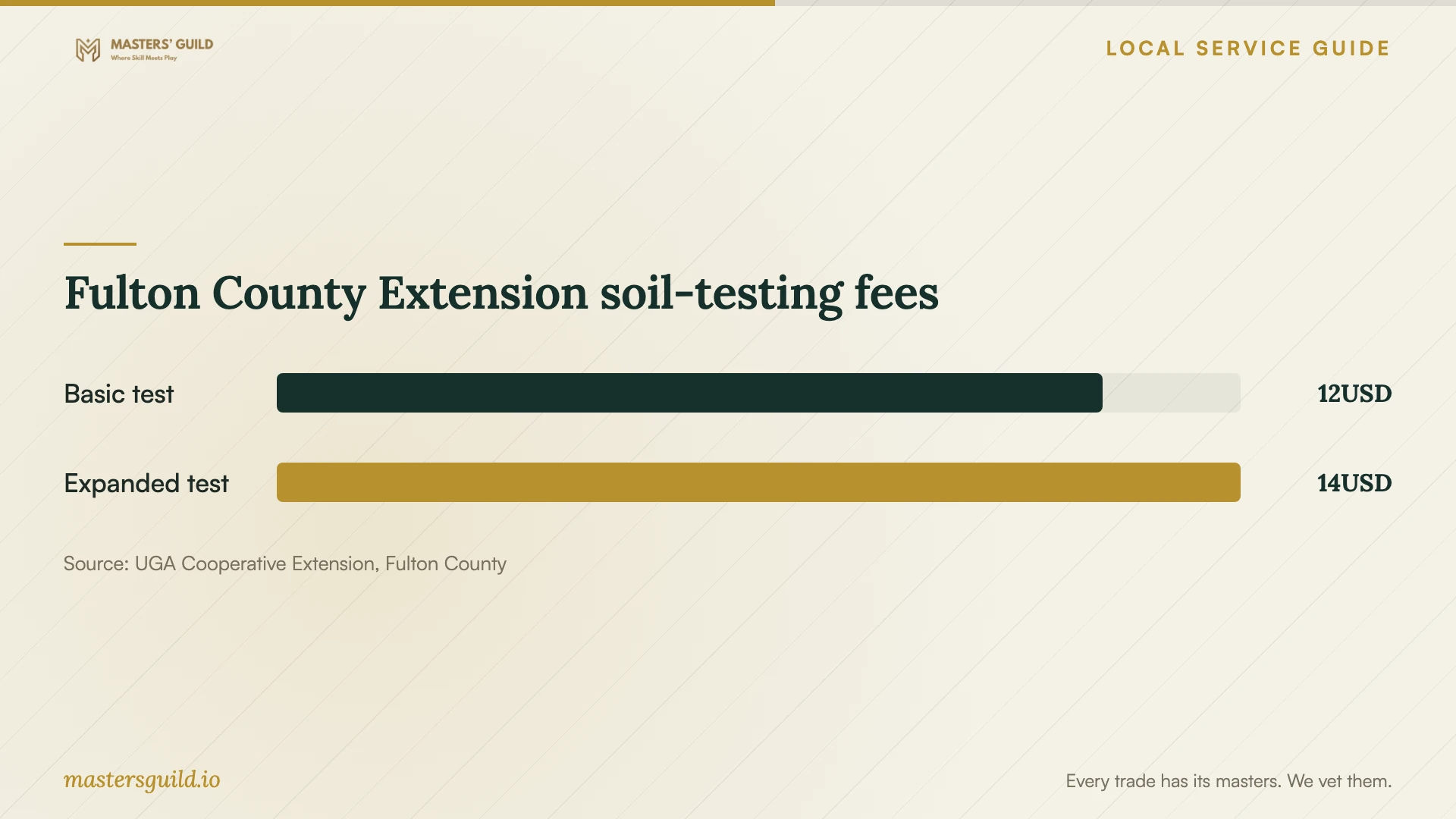
Fulton County Extension publishes soil-testing fees of $12 for the basic test and $14 for the expanded test. Extension advises consulting an agent before requesting additional tests. Ask the gardener to list any charges for sample collection, transport, and amendments apart from the testing fee. [3]
Assess the site before buying plants
Ask the gardener to assess sunlight, drainage, existing weeds, and access to water before proposing an edible garden. UGA Extension recommends full sunlight for most vegetables and explains that trees and large shrubs compete with vegetables for moisture and nutrients. For a shaded spot, discuss suitable crops and expectations before buying plants. [4]
Use soil results to agree on fertilizer and lime purchases. UGA explains that gardeners can use soil tests to determine nutrient applications and liming needs. For vegetables, it recommends applying lime three to six months before planting for best results. Ask the gardener to schedule recommended amendments around your intended planting date. [4]
Request a planting plan that names varieties and allows room for mature growth. For vegetables, assign thinning, support for climbing plants, pest inspections, and harvesting between visits. Keep a record of planting dates and treatments so you and the gardener can review the next season together.
Match seasonal work to your site
Use UGA's vegetable calendar as a planning guide rather than an exact appointment schedule. Its dates describe middle Georgia, and the authors advise adjusting for geography and each year's weather. Ask the gardener to explain the crop, variety, and weather considerations behind a proposed planting date. [5]
For an October booking, discuss care of existing fall crops, mulch renewal, soil sampling, and preparation for the next season. UGA includes these tasks across its autumn guidance. Ask the gardener to assess whether a proposed new crop has enough time to develop at your address before buying it. [5]
Agree on a weather rescheduling policy and who checks plants between visits. UGA advises gardeners to avoid working among wet vegetable foliage because they can spread disease. Leave room in the schedule for site conditions when arranging planting and harvesting. [5]
Check treatment credentials and aftercare
If the gardener proposes weed killer, insecticide, or fungicide, request the business's Georgia pesticide contractor license and ask about the certified commercial applicator responsible for the work. The Department of Agriculture requires contractors to employ at least one full-time certified commercial applicator licensed in their categories of operation and to meet financial responsibility requirements. [2]
Ask the gardener to name the product, target problem, treatment area, and label precautions before approving an application. Discuss hand weeding or mulching for vegetable beds. UGA cautions that home-garden herbicide use is difficult because products differ in crop suitability and application amounts. [4]
Request proof of liability insurance and agree how the gardener will handle accidental damage. After planting, get written watering instructions and divide responsibility for checks between visits. Clarify plant replacement terms, including which failures the gardener covers and what care they expect from you.
Fulton County Extension soil-testing fees
Local details that affect your job
Schedule watering around Atlanta's published rules
The Department of Watershed Management's non-drought schedule permits landscape watering between 4 p.m. and 10 a.m. for users supplied by an EPD-permitted water system. It lists exceptions including personal food gardens, drip or soaker-hose irrigation, handwatering with an automatic-cutoff hose or handheld container, and new plantings during installation and the following 30 days. Agree on the watering method before setting a timer, and check current restrictions before work begins. [1]
Arrange a Fulton County sample before bed preparation
Fulton County Extension asks you to call your chosen drop-off office before visiting and allows 10 to 14 business days for results. Call East Point at 404-613-4920, Sandy Springs at 404-613-7670, or Camp Truitt in College Park at 404-613-7990. Its Atlanta History Center location does not accept soil, water, or plant samples. Assign sample collection and delivery before scheduling amendment purchases. [3]
Choose the scope that fits your garden
| Your goal | Scope to request | Resolve before booking |
|---|---|---|
| Reclaim overgrown beds | One-time cleanup with named areas | Plants to retain, weed-removal method, and debris disposal |
| Install flowers or shrubs | Planting with an itemized plant list | Bed preparation, watering responsibility, and replacement terms |
| Maintain existing beds | Recurring care with a task list | Visit schedule, extra-work approval, and treatment permissions |
| Start a vegetable garden | Site assessment and crop plan | Sunlight, water access, soil results, and weather-adjusted planting dates |
| Include weed spraying | Pesticide application within the scope | Georgia pesticide contractor license and responsible certified applicator |
Your hiring checklist
- Mark plants to keep and identify the beds, paths, and shrubs included.
- Share photos, dimensions, gate access, steps, and water access.
- Request separate labor, materials, delivery, and disposal amounts.
- Assign soil sampling and review the results before approving amendments.
- Request pesticide contractor credentials before approving spraying.
- Agree who waters new plants and checks them between visits.
- Confirm insurance, change approval, weather rescheduling, and replacement terms.
Frequently Asked Questions
Does a gardener need a license to spray weeds?
Georgia requires a pesticide contractor license for a business applying pesticides to another person's property for a fee or within a maintenance contract. The requirement includes herbicides. Ask for the contractor's license and the responsible commercial applicator's credentials before approving treatment. [2]
Should I test the soil before hiring?
Arrange the test yourself or include sample collection in the gardener's scope. Fulton County Extension allows 10 to 14 business days for results. UGA recommends using soil results to guide fertilizer and lime applications, so plan testing before approving those purchases. [3] [4]
Can my gardener water plants during a daytime visit?
Under Atlanta's published non-drought schedule, ordinary landscape watering follows the 4 p.m. to 10 a.m. window. Exceptions include qualifying handwatering, drip irrigation, personal food gardens, and new plantings during installation and for 30 days afterward. Check current restrictions and agree which method the gardener will use. [1]
Should I book one visit or recurring care?
Request one visit for a defined cleanup or installation, then discuss the remaining care. Choose recurring work if you want the gardener to handle ongoing tasks. Assign watering and harvesting between appointments, and request a written list of what each visit includes.
Sources and scope
This guide combines the sources below with practical planning guidance. Figures apply to the stated geography and period; request a written quote for your property.