
Local service guide
Plan mold removal in Akron, OH
Arrange mold removal in Akron by requesting a written scope that identifies affected materials, cleanup methods, and responsibility for repairing the water problem. EPA says homeowners can handle areas smaller than about 10 square feet in most cases, with exceptions that include extensive water damage and contaminated water. Before hiring, check mold-cleanup references and agree on whether the quote includes disposal, drying, and reconstruction. [1]
Choose between homeowner cleanup and professional help
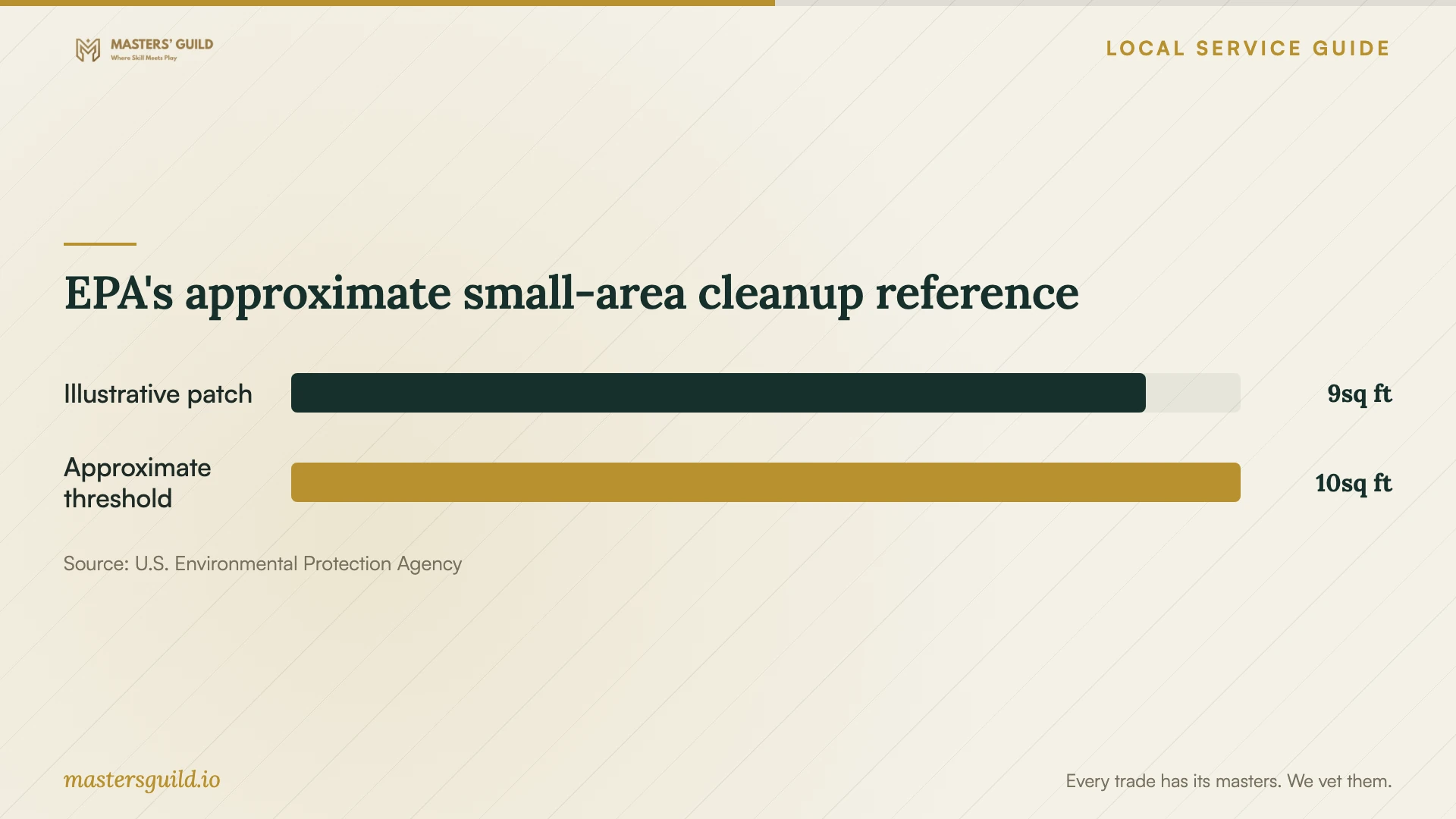
EPA describes less than about 10 square feet, roughly a 3-foot-by-3-foot patch, as an area homeowners can handle in most cases. For hard surfaces, it recommends scrubbing with detergent and water and drying completely. Moldy porous materials, such as carpet and ceiling tiles, may need disposal because cleanup may not remove mold throughout the material. [1]
Do not use the area threshold alone to choose your approach. EPA directs readers with extensive water damage or growth covering more than 10 square feet to its remediation guidance. It recommends an experienced professional for sewage or other contaminated-water damage. Consult a health professional before cleanup if you have health concerns. [1]
Record the location of visible growth, the damaged materials, and when you first noticed water. Take photographs without opening walls or ceilings. Tell prospective contractors whether you want an assessment before committing to cleanup, and ask them to explain any investigation they propose.
Compare quotes for the same work
Give each contractor the same photographs and description. Ask for separate scope entries for assessment, cleaning, material removal, disposal, drying, water-source repair, and reconstruction. Request an explanation of access arrangements, proposed containment, and equipment. Agree on how the contractor will seek your approval before expanding the work.
EPA recommends hiring someone with mold-cleanup experience and checking references. It also advises asking the contractor to follow EPA, ACGIH, IICRC, or other professional or government guidance. Ask the contractor to connect that guidance to the work in your home, including which materials they propose to clean or discard. [1]
Avoid comparing totals until you understand the exclusions. Ask whether the proposal covers the leak repair, replacement finishes, and removal of damaged belongings. If different contractors will handle cleanup and repair, name the person responsible for coordinating their work and obtaining your approval for changes.
Coordinate cleanup with moisture repairs
EPA advises fixing plumbing leaks and other water problems and drying items completely. For recurring bathroom mold, it recommends increased ventilation and more frequent cleaning. Ask who will investigate the moisture source and whether the proposed repair addresses the conditions you have observed. [1]
For a basement problem, note whether dampness appears after rain and whether it returns at the same wall or corner. For a ceiling stain, record the dates and any earlier plumbing or roof work. Share these observations with the person investigating the water problem, without treating them as a diagnosis.
EPA warns against running an HVAC system when you know or suspect mold contamination because it could spread mold throughout the building. Tell the contractor about suspected system involvement before accepting a room-cleanup proposal. Ask how they will assess that concern and coordinate any separate work. [1]
Use housing assistance when arranging rental repairs
If you rent, send the owner photographs, dates, and a written description of dampness or damaged materials. Ask for a repair plan and clarify authorization before commissioning invasive work. Akron Rental Information provides a property complaint search and a route for filing housing complaints. [2]
The city displays complaints from the past two years and refreshes its data nightly. It includes complaints regardless of whether inspectors found an ordinance violation. Treat the results as reported concerns. If you cannot find the address, try the street name without its direction or suffix, or contact Housing Compliance to clarify the record. [3]
Summit County Public Health's Healthy Homes program offers environmental housing assistance to homeowners and renters. Contact the program before arranging additional visits if you need help identifying an appropriate next step. Ask staff to confirm available services, eligibility, and any costs. [4]
Define completion before rebuilding
Agree on the completion records you want before work begins. Request photographs of areas that reconstruction will conceal, a list of removed materials, and documentation of changes to the scope. Ask how the contractor will check and document drying. If the quote includes testing, ask what question the test will answer and how the result will change the work.
EPA advises cleaning mold and drying surfaces before painting or caulking. It says paint applied over moldy surfaces is likely to peel. Include surface preparation in any repainting scope, and agree on who will authorize reconstruction after cleanup and moisture repairs. [1]
EPA's approximate small-area cleanup reference
Local details that affect your job
Akron complaint searches and Housing Compliance
Use Akron Rental Information to search by address or owner and access the housing complaint route. If your search fails, try part of the owner's name or the street name without a direction or suffix. Call Housing Compliance at 330-375-2366 to clarify uncertain records. The city includes complaints without confirmed ordinance violations and displays the past two years; do not treat an empty search as confirmation that a property has no problems. [2] [3]
Summit County Healthy Homes assistance
Call Summit County Public Health at 330-926-5600 about Healthy Homes assistance for your house or apartment. The program offers help to both homeowners and renters with environmental housing concerns. Describe the dampness and damaged materials, then confirm services, eligibility, and any costs. Ask whether staff can help with your concern before budgeting for testing or contractor work. [4]
Choose a next step for the condition you find
| Condition | Next step | Planning point |
|---|---|---|
| Hard-surface patch smaller than about 10 square feet | Consider EPA's homeowner cleanup guidance | Check for extensive water damage and other exceptions first |
| Extensive water damage or growth above 10 square feet | Consult EPA's remediation guidance and discuss professional assessment | Ask for a scope covering affected materials and moisture repairs |
| Sewage or other contaminated-water damage | Hire a professional experienced with contaminated-water damage | Describe the water source when requesting assistance |
| Known or suspected HVAC mold contamination | Do not run the system; consult EPA's duct-cleaning guidance | Raise system involvement before agreeing to room cleanup |
| Unresolved dampness or damaged materials in a rental | Document the concern and use Akron's housing complaint route | Interpret complaint records without assuming a confirmed violation |
Your hiring checklist
- Photograph visible growth and damaged materials without opening cavities.
- Record when water appeared and which repairs you have already arranged.
- Ask who will investigate and repair the moisture source.
- Request separate scope entries for cleanup, disposal, drying, and reconstruction.
- Check cleanup references and discuss the guidance the contractor follows.
- Agree on access, room use, and approval for additional work.
- Request completion photographs and drying records before reconstruction.
Frequently Asked Questions
Can I clean a small patch myself?
EPA says homeowners can handle areas smaller than about 10 square feet in most cases. For hard surfaces, it recommends detergent and water followed by complete drying. Consider extensive water damage, contaminated water, suspected HVAC contamination, and health concerns before choosing homeowner cleanup. [1]
How should I compare cleanup prices?
Ask each contractor to price the same scope. Clarify material removal, disposal, drying, moisture repairs, and reconstruction. Request written exclusions and a process for approving additional work. These sources do not establish a local cleanup price range.
Where can I get help with a damp rental?
Akron Rental Information offers housing complaint searches and a complaint route. Call Housing Compliance at 330-375-2366 for search assistance. Summit County Healthy Homes also offers assistance to homeowners and renters at 330-926-5600; confirm which services apply to your situation. [2] [3] [4]
Can a contractor paint over mold?
EPA advises cleaning up mold and drying the surface before painting or caulking. It warns that paint applied over moldy surfaces is likely to peel. Ask the contractor to include preparation and drying in the repainting scope. [1]
Sources and scope
This guide combines the sources below with practical planning guidance. Figures apply to the stated geography and period; request a written quote for your property.